US loses up to $2.8 billion in aerial assets after Iran’s strike on Saudi base
A US think tank estimates $2.3‑$2.8 billion in aerial losses, including a $700 million AWACS, after Iran's missile‑drone attack on a Saudi base.
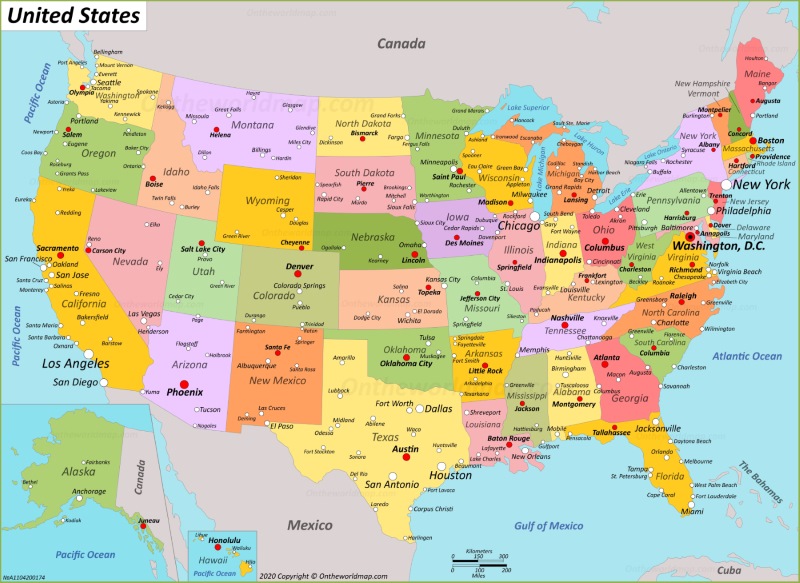
U.S. Map
*TL;DR: The United States has lost aerial equipment valued at $2.3‑$2.8 billion, highlighted by the destruction of a $700 million AWACS aircraft in Iran’s missile‑drone strike on a Saudi base.
Context The Iran‑U.S. conflict, which began on Feb. 28, has escalated into a series of high‑profile attacks on U.S. assets in the Gulf. On March 26, the U.S. Secretary of Defense proclaimed that no nation’s military had ever been neutralized as quickly and effectively as Iran’s forces. The claim preceded Iran’s missile and drone barrage on Prince Sultan airbase in eastern Saudi Arabia.
Key Facts - The Center for Strategic and International Studies, a Washington‑based think tank, calculated total U.S. aerial losses between $2.3 billion and $2.8 billion. The tally includes aircraft, radars and other airborne systems destroyed since the war’s start. - Iran’s attack on March 27 injured several American soldiers and destroyed an E‑3 AWACS/E‑7 radar surveillance plane, a $700 million airborne command center capable of tracking aircraft and missiles across hundreds of kilometres. - Earlier incidents accounted for additional losses: three F‑15 fighters were downed in a friendly‑fire event in Kuwait, and at least one THAAD‑linked missile‑defence radar—valued up to $970 million—was destroyed. - Satellite imagery of U.S. bases in the Gulf is unavailable to the public after a U.S. request to block Planet Labs images, limiting independent verification of damage.
What It Means The financial hit underscores the vulnerability of U.S. aerial superiority in a contested region. Losses of high‑cost platforms like the AWACS reduce real‑time situational awareness and could strain command‑and‑control capabilities. The strike also challenges the narrative of rapid U.S. dominance expressed by the Defense Secretary, suggesting a gap between public statements and operational realities.
Strategically, Iran’s decision to target a Saudi base rather than only U.S. installations appears to have reinforced Gulf allies’ reliance on American security guarantees. The episode may prompt Washington to reassess force posture, invest in hardened or redundant surveillance assets, and accelerate the deployment of replacement systems.
Looking ahead, monitor U.S. procurement decisions for replacement radars and aircraft, and watch for diplomatic moves that could reshape the balance of power in the Strait of Hormuz.
Continue reading
More in this thread
Australia’s Under‑16 Social Media Ban Threatens $50 Million in Platform Revenue and Fuels Mental‑Health Debate
Nadia Okafor
UK Lawmakers Explore 1% 'Slop Tax' on AI Giants to Support Culture
Nadia Okafor
Hegseth Defends $25 Billion Iran War Cost, Says War Powers Clock Paused
Nadia Okafor
Conversation
Reader notes
Loading comments...