Hurricane Melissa's Aftermath: Over Two Million Displaced, 55 Dead from Mosquito-Borne Illnesses
Six months after Hurricane Melissa, over two million Cubans are displaced, 55 have died from chikungunya and dengue, and only 28% of relief funds are secured.
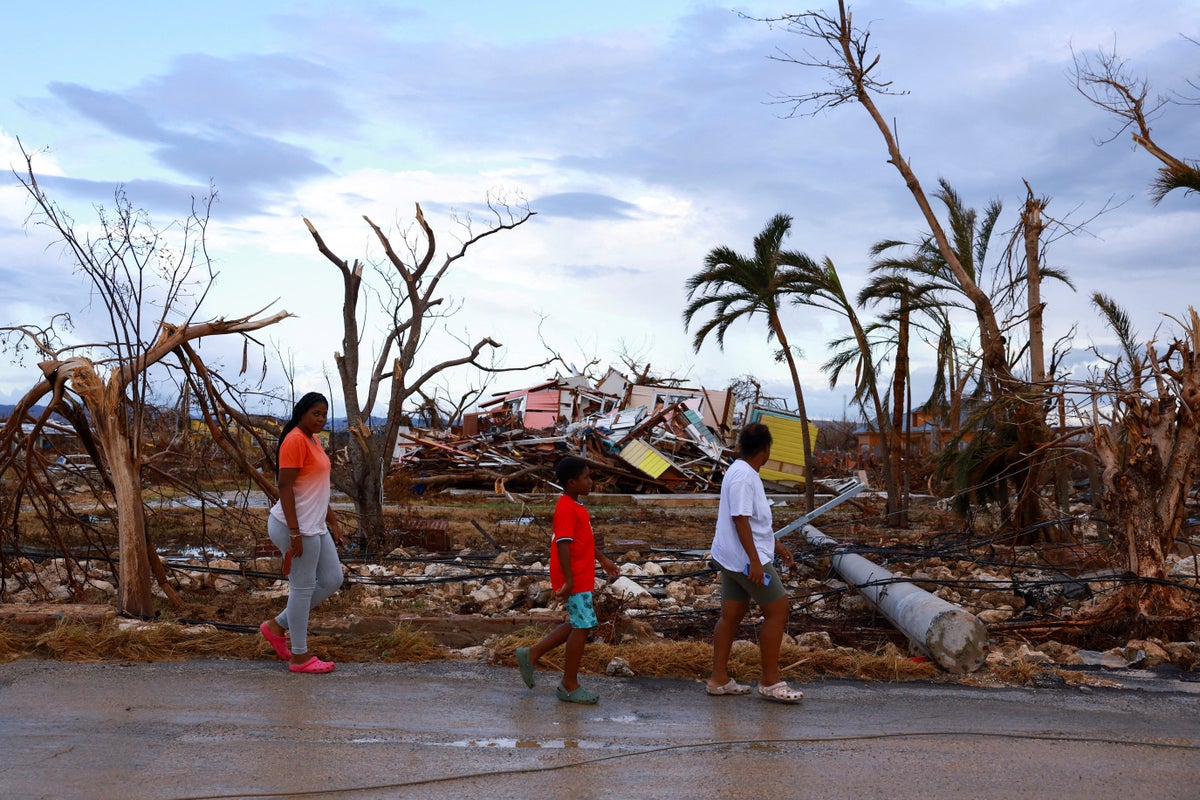
TL;DR: Hurricane Melissa displaced over two million people in Cuba, mainly in the eastern provinces, and as of 5 January 55 people had died from arboviral diseases—37 from chikungunya and 18 from dengue—while only 28% of the 18 million Swiss francs requested for relief has been secured.
Context: Six months after the storm, volunteers from the Cuban Red Cross continue to distribute mosquito nets, clean water, and solar-powered equipment in hard-hit areas such as Matanzas and Granma provinces. Energy shortages and damaged infrastructure hinder transportation, water pumping, and health services, creating conditions that favor mosquito breeding. The International Federation of Red Cross and Red Crescent Societies (IFRC) launched an emergency appeal for 18 million Swiss francs to support recovery for 100,000 people over two years.
Key Facts: More than two million individuals were displaced by Hurricane Melissa, with the greatest impact in Santiago de Cuba, Granma, and Holguín. As of 5 January, national health surveillance recorded 55 deaths linked to arboviral illnesses, comprising 37 chikungunya cases and 18 dengue cases; the majority of fatalities were under 18 years old. Funding remains short: only 28% of the 18 million Swiss franc appeal—about 5 million Swiss francs—has been collected, leaving a gap of roughly 13 million Swiss francs.
What It Means: The combination of displaced populations, limited access to clean water, and intermittent electricity creates ideal breeding sites for Aedes mosquitoes, driving the observed rise in chikungunya and dengue transmission. Without full funding, the Red Cross cannot sustain vector-control measures, distribute sufficient nets, or repair water and sanitation systems, increasing the risk of further illness. Practical takeaways for readers include supporting verified humanitarian appeals, advocating for resilient energy solutions in disaster zones, and staying informed about local mosquito-control programs when traveling to affected regions.
Watch for updates on the upcoming hurricane season and whether additional donor contributions close the funding gap before the next peak in mosquito-borne disease transmission.
Continue reading
More in this thread
Cuba’s Hurricane Melissa Relief Stalls at 28% Funding While Over 2 Million Remain Displaced
Dr. Priya Sharma
AI Chatbots Fall Short of Therapy and May Aggravate Depressive Thoughts
Dr. Priya Sharma
US fentanyl overdose deaths drop over a third as experts point to China’s precursor crackdown
Dr. Priya Sharma
Conversation
Reader notes
Loading comments...