US fentanyl overdose deaths drop over a third as experts point to China’s precursor crackdown
US fentanyl overdose deaths declined by over 33% by November 2025. A Science study links the fall to lower drug purity from China’s precursor controls. Find what to watch next.
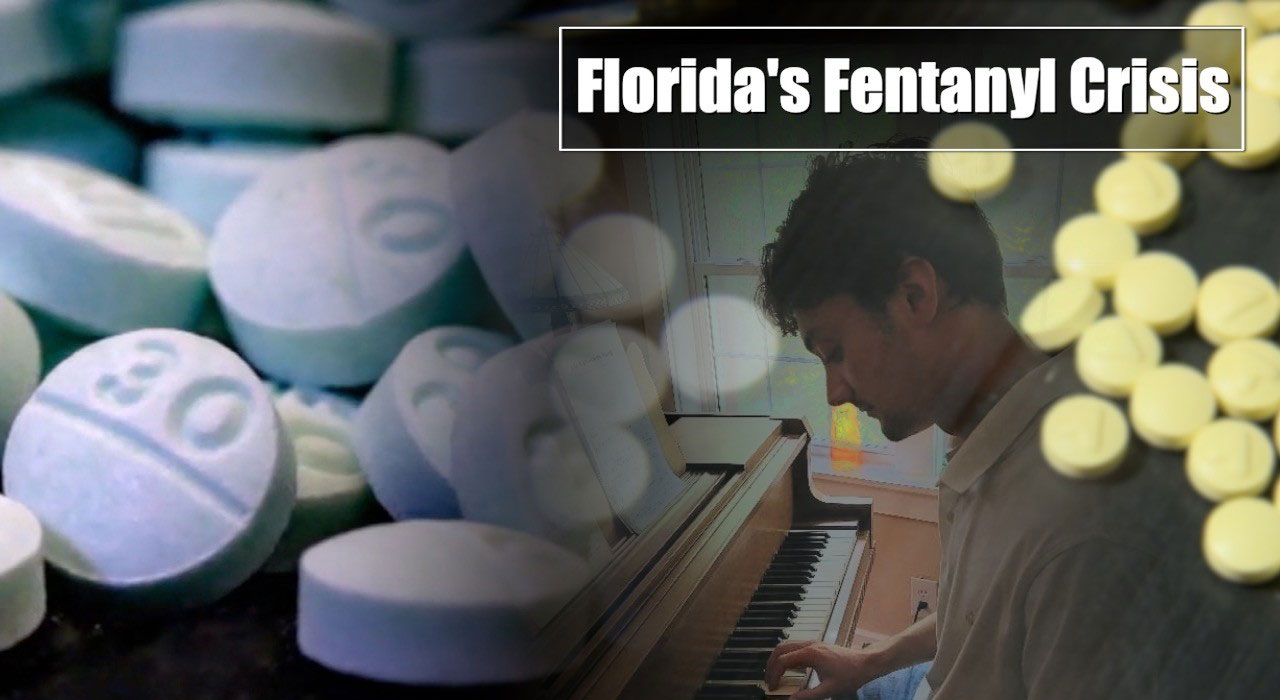
Florida fentanyl deaths
US fentanyl overdose deaths fell by more than one‑third by November 2025, and researchers link the decline to a drop in drug purity that likely stemmed from China’s tighter controls on precursor chemicals.
At a UN meeting in March, the United States accused China of allowing its chemical industry to sell the substances needed to produce fentanyl, while Beijing countered that Washington was shifting blame for its own drug problem. Despite the tension, overdose deaths have been falling since mid‑2023, reaching a 34 % reduction by November 2025 according to provisional federal data.
Keith Humphreys, a Stanford professor, said a supply shock lowered fentanyl purity and most indicators point to China as the cause. In a recent Science paper, his team examined seizure records from May 2023 to December 2024, an observational cohort of over 12 000 fentanyl samples, and found purity fell sharply during that period. The study design is retrospective cohort; it shows a correlation between lower purity and fewer deaths but does not prove causation.
Chinese embassy spokesperson Liu Pengyu welcomed the decline and noted that the United States’ 2025 National Drug Threat Assessment implies Chinese efforts contributed to addressing the US fentanyl problem. He said China’s export controls on precursor chemicals remain in place and are being monitored for enforcement.
What this means for readers is that monitoring the flow of precursor chemicals can serve as an early warning signal for changes in street‑level drug potency. Public‑health officials should continue to track purity data from seized drugs alongside overdose statistics to spot supply shifts. Policymakers might consider strengthening international verification of export controls and supporting alternative livelihoods for communities reliant on illicit chemical trade.
Experts caution that other factors—such as expanded access to naloxone, changes in prescribing practices, and shifts in user behavior—may also have contributed to the decline. Disentangling these influences requires longitudinal studies that track both supply and demand variables over time.
Community‑based programs that provide drug‑checking services can help users identify adulterants and reduce overdose risk, especially when purity fluctuates.
Watch for upcoming talks at the US‑China summit this week, where further supply‑side measures—such as stricter prosecution of traffickers and expanded oversight of chemical firms—are expected to be on the agenda.
Continue reading
More in this thread
Muscular Dystrophy Prisoner Says He Crawls for Medicine and Went 26 Days Without Shower
Dr. Priya Sharma
US fentanyl overdose deaths drop over a third as experts trace supply shock to Chinese precursor controls
Dr. Priya Sharma
Estevan Police Aid Mental Health Crisis, Probe Suspicious Truck, Close Domestic Disturbance
Dr. Priya Sharma
Conversation
Reader notes
Loading comments...