Homeless First Nations woman with sepsis faces two‑year public housing wait despite doctors’ fatal warning
Andrea Woodley, battling septicemia, may wait two years for priority housing despite doctors' fatal warning, highlighting gaps in WA's public housing system.
TL;DR
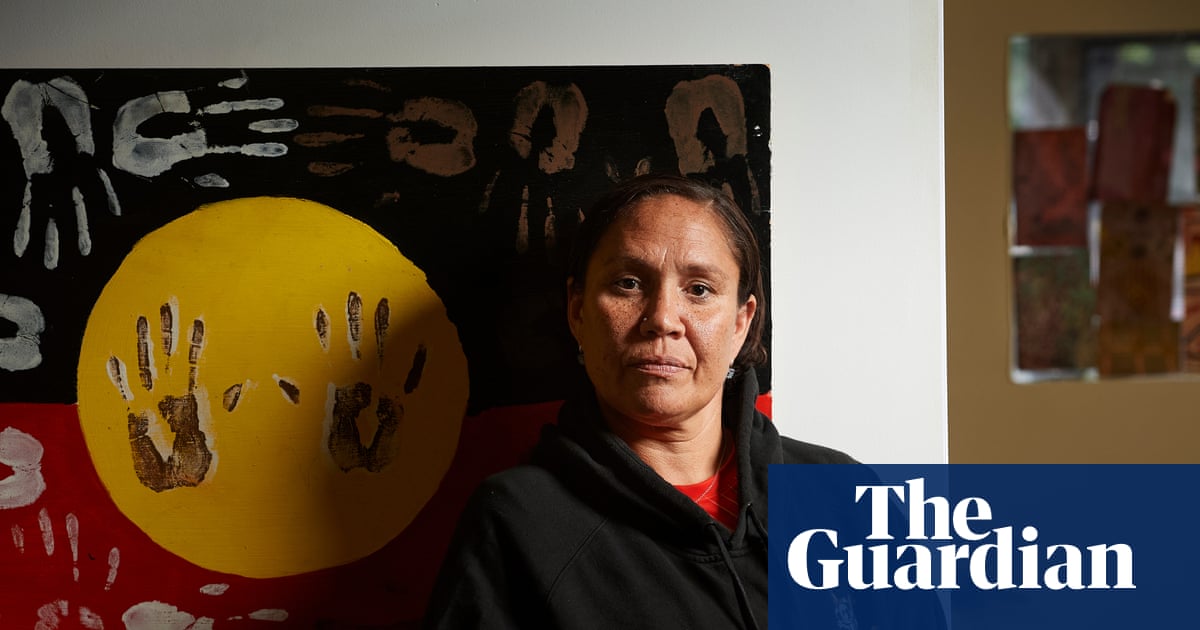
Andrea Woodley, a First Nations woman discharged from hospital with septicemia, has been told she must wait another two years for priority public housing despite doctors warning the infection could be fatal.
Context Andrea Woodley, a 39‑year‑old Noongar, Budimaya and Nyikina mother of five, has been sleeping rough in Perth since a fire‑bomb attack destroyed her Broome home in 2023. After weeks of hospitalisation for sepsis—blood infection triggered by infected foot blisters—she was released back to the streets.
Key Facts - Doctors diagnosed bacterial pneumonia that spread to the left side of her heart and confirmed septicemia, a condition that can rapidly become fatal without proper care. - Heather Taylor, Woodley’s mother, said the medical team warned that without a safe place to recover, her daughter could die. - Upon discharge from Armadale Hospital, Woodley lost her phone, leaving her unreachable for follow‑up appointments and medication reminders. - Housing advocate Dr Betsy Buchanan contacted the Western Australian Department of Housing, presenting the doctors’ letters. The department responded that Woodley would still face a two‑year wait on the priority list, citing a uniform policy that treats all applicants equally. - Woodley was a public‑housing tenant from 2008 to 2023. Although her former home was deemed habitable after inspection, she moved to Perth awaiting a transfer that has not materialised.
What It Means The case highlights a systemic gap where urgent medical needs do not translate into expedited housing allocation. Studies of public‑housing waitlists show that length of stay on the list correlates with poorer health outcomes, but causation is difficult to prove without controlled trials. In practice, delayed access to stable housing hampers infection control, medication adherence, and protection from environmental hazards—factors critical for sepsis recovery.
For individuals like Woodley, the two‑year horizon means prolonged exposure to cold, unsanitary conditions and limited ability to manage antibiotics, increasing the risk of relapse or death. Advocacy groups argue that the current “one‑size‑fits‑all” approach ignores documented medical urgency, especially for Indigenous Australians who already face disproportionate health disparities.
Practical Takeaways - If you or a loved one is discharged with a serious infection, secure a stable sleeping environment before leaving the hospital; ask the care team to coordinate with local shelters or crisis accommodation. - Document all medical advice and share it with housing services; follow up regularly to keep the case active. - Community organisations can amplify urgent cases by lobbying for policy exceptions that prioritize life‑threatening conditions.
What to Watch Next Monitor whether the WA government’s recent ban on “no‑ground” evictions leads to policy adjustments for medically vulnerable tenants, and track any legal challenges that may force a review of the priority‑housing algorithm.
Continue reading
More in this thread
First Nations woman with sepsis faces two‑year public housing wait after hospital discharge
Dr. Priya Sharma
Richland County Releases One‑Pager Guide and Promotes 988 Crisis Line for Mental Health Awareness Month
Dr. Priya Sharma
Maternal Deaths Triple in Gaza as 20,000 Await Evacuation
Dr. Priya Sharma
Conversation
Reader notes
Loading comments...