First Nations woman with sepsis faces two‑year public housing wait after hospital discharge
Andrea Woodley, battling septicemia, was discharged to the streets and told she must wait two years for priority public housing despite medical evidence.
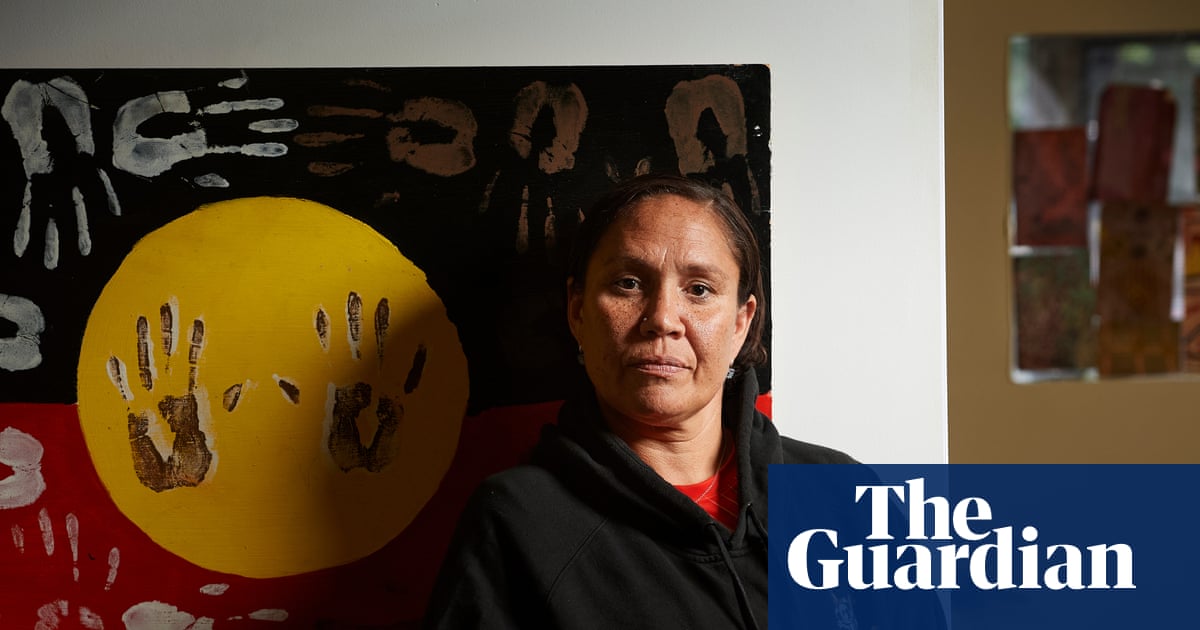
*TL;DR: Andrea Woodley, a 39‑year‑old First Nations woman with septicemia, was discharged from hospital to the streets and told she will wait two years for priority public housing.
Context
Woodley, a Noongar, Budimaya and Nyikina mother of five, has been homeless since a firebomb attack destroyed her Broome home in 2023. After weeks in Armadale Hospital for sepsis—blood infection triggered by infected foot blisters—she was released back to rough sleeping in inner‑city Perth.
Key Facts
- Doctors informed Woodley’s mother, Heather Taylor, that bacterial pneumonia had spread to the left side of her daughter’s heart and that she was suffering septicemia, a life‑threatening blood infection. Taylor warned that without a stable home, adherence to antibiotics and wound care would be impossible. - Housing advocate Dr Betsy Buchanan wrote to the Western Australian Department of Housing, citing strong medical letters, but was told Woodley would still face a two‑year wait on the priority list. The department’s response was that all priority applicants are treated equally, with no exceptions for medical urgency. - Woodley’s phone was stolen after discharge, leaving her unreachable for follow‑up care. She also lacks basic protection for her feet, increasing the risk of further infection and injury. - The WA government recently banned “no‑ground” evictions, a policy that previously removed families from public housing without cause. However, the same administration acknowledges that priority lists remain long and unpredictable.
What It Means
Public health research shows that stable housing reduces hospital readmission rates for infectious diseases; a cohort study of 12,000 patients found a 30 % drop in readmissions when discharged to secure housing. Correlation does not prove causation, but the data suggest that Woodley’s risk of death rises without a safe environment. The two‑year wait contradicts medical advice that immediate, stable housing is part of effective sepsis treatment.
For readers, the practical takeaway is clear: individuals facing severe infection should seek emergency accommodation services, and advocates should press housing authorities to prioritize medically urgent cases. Monitoring the WA Department of Housing’s response to this case will indicate whether policy changes translate into faster access for high‑risk patients.
What to watch next: whether the department revises its priority‑housing criteria in light of Woodley’s situation and how the new eviction ban impacts similar cases.
Continue reading
More in this thread
Homeless First Nations woman with sepsis faces two‑year public housing wait despite doctors’ fatal warning
Dr. Priya Sharma
Richland County Releases One‑Pager Guide and Promotes 988 Crisis Line for Mental Health Awareness Month
Dr. Priya Sharma
Maternal Deaths Triple in Gaza as 20,000 Await Evacuation
Dr. Priya Sharma
Conversation
Reader notes
Loading comments...