Hantavirus Outbreak on MV Hondius Triggers 45‑Day Isolation for 149 Passengers
Three deaths on the MV Hondius cruise ship led to evacuation in Tenerife and a WHO‑recommended 45‑day isolation for all passengers.
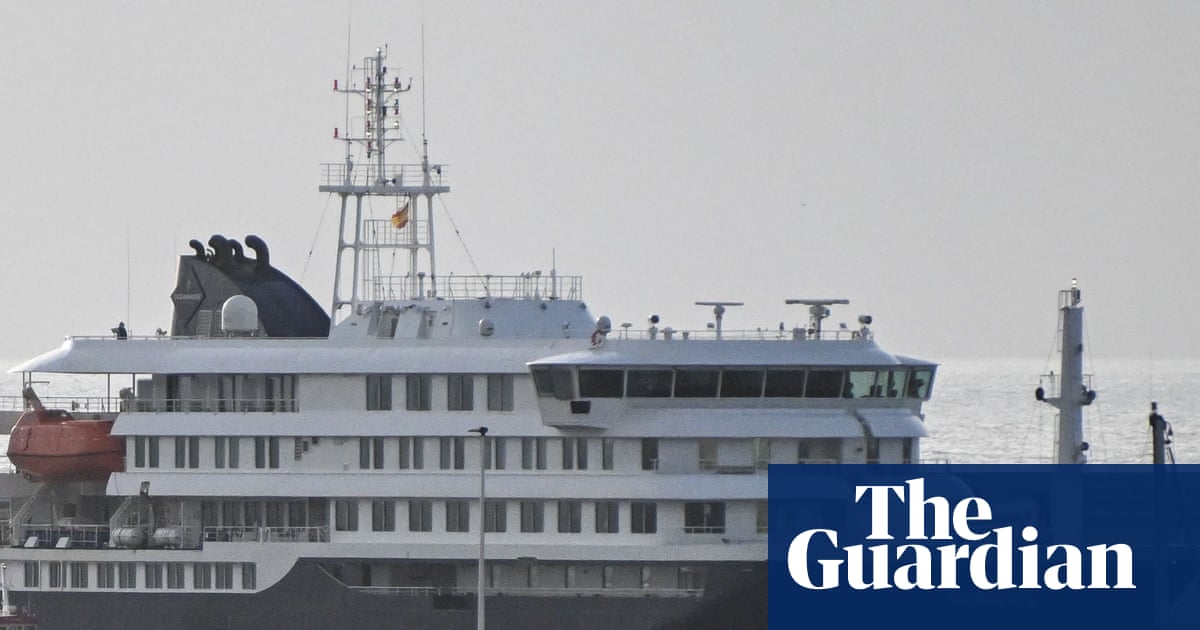
TL;DR: Three passengers on the MV Hondius died from hantavirus; the ship was evacuated in Tenerife and the World Health Organization (WHO) advises a 45‑day isolation for the remaining 149 travelers.
Context The MV Hondius, a small cruise vessel docked at Granadillo port, became the focus of a global health alert after three fatalities were linked to hantavirus, a rodent‑borne disease rarely transmitted between people. The ship, carrying passengers from 23 nations, was confined to its cabins for several days before Spanish authorities coordinated an international evacuation.
Key Facts - Three passengers—a Dutch couple and a German traveler—died from hantavirus infection. - WHO recommends a 45‑day isolation period for all passengers, starting 6 May, to cover the virus’s incubation window of up to eight weeks. - WHO Director‑General Dr Tedros Adhanom Ghebreyesus stated that allowing passengers to travel and self‑isolate should not spark new outbreaks. - Evacuation moved 149 passengers and crew onto buses and aircraft under hazmat protocols; personal belongings remained on the ship for decontamination in the Netherlands. - No PCR testing (the laboratory method that detects viral genetic material) was performed onboard; temperature checks showed no symptoms, but asymptomatic carriers cannot be ruled out without PCR.
What It Means Hantavirus is endemic in rodent populations and typically spreads through inhalation of aerosolised rodent excreta. Human‑to‑human transmission is exceedingly rare, a fact supported by cohort studies of past outbreaks that found no secondary cases. The WHO’s 45‑day isolation recommendation reflects a precautionary approach rather than evidence of contagious spread. Countries that enforce hospital quarantine, such as the UK and Spain, add a layer of control, while others rely on self‑isolation, creating a patchwork of compliance.
Practical takeaways for travelers include: 1. Monitor health for fever, muscle aches, or respiratory symptoms for at least eight weeks after departure. 2. Seek PCR testing if symptoms appear, as early detection can guide treatment and prevent complications. 3. Follow local public‑health guidance on isolation length and reporting any illness to health authorities.
The incident underscores the importance of rapid pathogen identification and coordinated international response. Watch for updates on post‑isolation health outcomes and any policy adjustments by the WHO as data from the evacuated cohort become available.
Continue reading
More in this thread
Three deaths on Dutch cruise ship linked to Andes strain hantavirus as Argentina cases rise
Dr. Priya Sharma
Hantavirus Outbreak Ends as MV Hondius Evacuates 149 Passengers from Tenerife
Dr. Priya Sharma
Botched Hanging of WWII GI William Harrison Reveals Lingering Trauma for Victim's Family
Dr. Priya Sharma
Conversation
Reader notes
Loading comments...