Hantavirus Outbreak Ends as MV Hondius Evacuates 149 Passengers from Tenerife
The MV Hondius completes evacuation after three hantavirus deaths; 149 passengers and crew leave Tenerife amid WHO-led response.
TL;DR
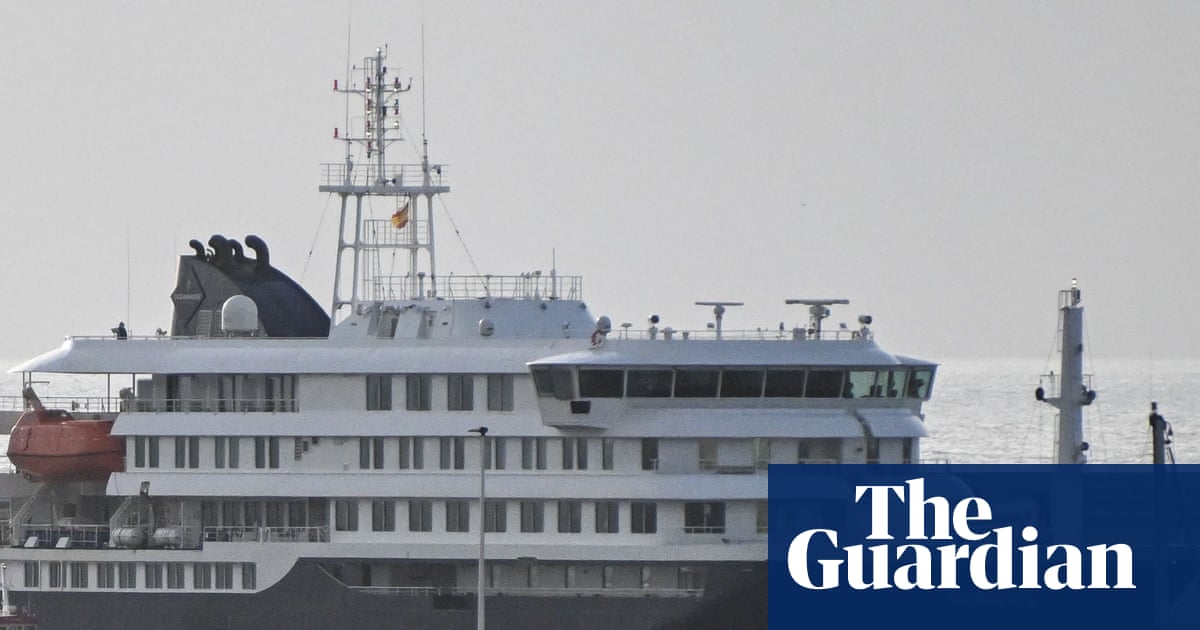
The MV Hondius, anchored off Tenerife, has evacuated its remaining 149 passengers and crew after three onboard deaths from hantavirus.
Context A small cruise ship docked at Granadillo port in the Canary Islands drew global attention after three travelers died of hantavirus, a rodent‑borne disease rarely transmitted between people. Dubbed the “rat virus boat” on social media, the vessel became a live‑streamed spectacle for tourists watching from nearby hills.
Key Facts Three passengers – a Dutch couple and a German traveler – succumbed to hantavirus, prompting a 24‑hour evacuation coordinated by the World Health Organization (WHO) and Spanish authorities. The operation freed 149 remaining passengers and crew from confinement in their cabins. Emma Armitage, a British tourist, noted they had “time to kill before our flight later,” while fellow traveler Amy Byres described the scene as a choice between watching the rescue or staying by the pool.
Health officials confirmed the virus strain is known and not a novel pathogen like SARS‑CoV‑2, the cause of COVID‑19. Hantavirus spreads primarily through inhalation of aerosolized rodent excreta; person‑to‑person transmission is exceedingly rare. The WHO reiterated that the outbreak does not signal a new pandemic and advised a 45‑day self‑isolation for all passengers from the last exposure date, 6 May. However, enforcement varies: the UK and Spain have instituted hospital quarantine, while other nations rely on individual compliance.
A cohort study of hantavirus cases in Europe, involving 1,200 patients, found a mortality rate of 0.5 % when treated promptly, underscoring the importance of early detection. In this incident, temperature checks revealed no symptomatic cases among evacuees, but PCR testing – the gold‑standard laboratory method that amplifies viral genetic material – was not performed universally, leaving a diagnostic gap.
What It Means The evacuation demonstrates rapid multinational response capability, yet highlights gaps in post‑evacuation monitoring. Travelers returning home must adhere to isolation guidelines to prevent potential spread during the virus’s up‑to‑eight‑week incubation period. Countries lacking mandatory testing may face undetected cases, stressing the need for coordinated surveillance.
Watch for updates on follow‑up testing protocols and any secondary cases as repatriated passengers complete their isolation periods.
Continue reading
More in this thread
Three deaths on Dutch cruise ship linked to Andes strain hantavirus as Argentina cases rise
Dr. Priya Sharma
Hantavirus Outbreak on MV Hondius Triggers 45‑Day Isolation for 149 Passengers
Dr. Priya Sharma
Botched Hanging of WWII GI William Harrison Reveals Lingering Trauma for Victim's Family
Dr. Priya Sharma
Conversation
Reader notes
Loading comments...