Global Powers Mobilize Billions for Green Hydrogen Amid Energy Crisis
Amidst the global energy crisis, China, Italy, and the US are investing billions in green hydrogen projects to enhance energy security and accelerate decarbonization efforts.
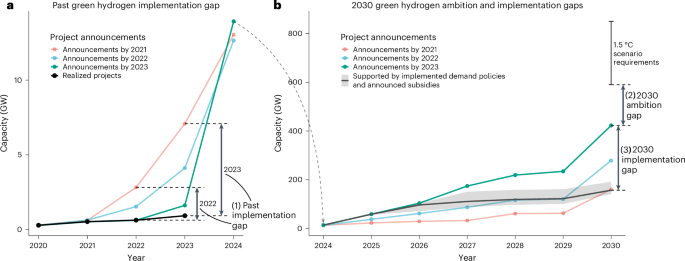
China, Italy, and the United States are committing billions to hydrogen projects, accelerating clean energy development amidst global supply disruptions.
The global energy crisis, intensified by disruptions like the closure of the Strait of Hormuz, has significantly tightened oil and gas supplies and propelled prices higher. This pressure is driving an urgent global pivot towards alternative energy pathways. Among these, green hydrogen—produced by using renewable electricity to split water—is emerging as a critical component. It offers a decarbonization solution for hard-to-abate sectors like steelmaking and shipping, producing only water vapor when combusted, unlike fossil fuels. While most commercial hydrogen production historically relied on fossil fuels, recent events are accelerating investment in renewable methods globally.
China, the world's leading hydrogen producer, is rapidly escalating its efforts. The National Energy Administration has advanced 41 hydrogen pilot projects across nine regions, moving them from demonstration phases directly into industrial application. This initiative follows China's classification of hydrogen as a "strategic lever" for national energy autonomy. In Europe, Italy has committed significant financial backing, approving a €6 billion state aid plan designed to support renewable hydrogen production. Simultaneously, the United States has reiterated its commitment to hydrogen development. The Trump administration directed the Department of Energy to preserve $5 billion worth of existing hydrogen hubs, originally funded under the previous administration to develop cleaner-burning fuel sources, which were previously slated for closure.
These substantial, coordinated global investments indicate a decisive shift in how nations view hydrogen within the broader energy landscape. The current geopolitical and economic pressures are re-shaping the commercial viability of green hydrogen, which previously faced hurdles in cost-effectiveness and widespread adoption. Governments are now prioritizing energy security and diversification through a rapid acceleration of clean energy technologies. This push aims to build a more resilient global energy system.
The speed at which these multi-billion-dollar initiatives translate from pilot to industrial scale will define green hydrogen's immediate future in global energy security.
Continue reading
More in this thread
NSW and Queensland Fail to Deliver $160 Million River Health Infrastructure
Dr. Leo Tanaka
Latvia Joins Artemis Accords as 62nd Signatory, Boosting Global Moon Mission Coalition
Dr. Leo Tanaka
Feed Choice Drives Pig Farm Carbon Footprint, Sustell™ Pilot Shows Up to 75% Impact
Dr. Leo Tanaka
Conversation
Reader notes
Loading comments...