Feed Choice Drives Pig Farm Carbon Footprint, Sustell™ Pilot Shows Up to 75% Impact
An Austrian pilot using Sustell™ shows feed is the largest source of emissions on pig farms, contributing up to 75% of the total carbon footprint. Learn more.
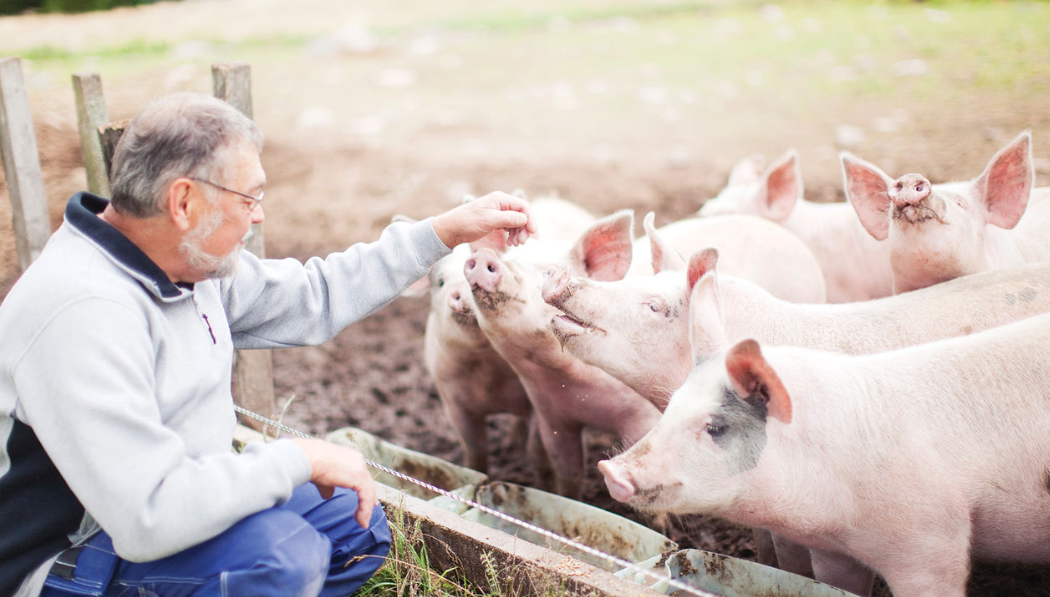
Feed choices in pig farming directly impact a farm's carbon footprint, with a recent pilot project in Austria revealing feed as the source for up to 75 percent of total emissions. This data quantifies the significant role of feed composition and sourcing in agricultural sustainability efforts.
Pork production contributes 1.1 to 1.3 percent of global greenhouse gas emissions. This sector actively seeks methods to reduce its environmental impact. Accurately measuring current footprints provides a foundational step in these efforts, allowing producers to identify specific emission sources.
A recent Austrian pilot project utilized the Sustell™ platform to assess the cradle-to-gate carbon footprints of 18 pig farms. This comprehensive evaluation occurred between October 2023 and February 2024. Sustell™ simplifies the complex process of data collection and analysis, allowing for detailed farm-level insights into sustainability performance.
The project's analysis revealed feed as the primary emission source for pig farms, making up as much as 75 percent of a farm's total carbon footprint. Emissions from feed are primarily "black carbon," stemming from fossil fuels used in production, transport, and land-use changes related to ingredient sourcing. In contrast, "green carbon" is captured during plant growth for feed. The study demonstrated significant variability in carbon footprints across farms due to differences in feed composition and ingredient origins.
These findings underscore how specific choices in feed ingredients and their sourcing profoundly impact a farm's overall environmental footprint. Even with similar production goals, individual management and feed selections create substantial variations in emissions. Identifying these precise drivers enables targeted adjustments to reduce climate impact. This approach complements broader industry trends, as agricultural greenhouse gas emissions have already decreased by 16% since 1990, partly due to advancements in genetics and management practices.
Future efforts will likely focus on leveraging such detailed, farm-level data from tools like Sustell™ to refine feed strategies. This includes optimizing feed formulations and supply chains to further reduce emissions and advance broader sustainability goals within the pork industry.
Continue reading
More in this thread
NSW and Queensland Fail to Deliver $160 Million River Health Infrastructure
Dr. Leo Tanaka
Global Powers Mobilize Billions for Green Hydrogen Amid Energy Crisis
Dr. Leo Tanaka
Latvia Joins Artemis Accords as 62nd Signatory, Boosting Global Moon Mission Coalition
Dr. Leo Tanaka
Conversation
Reader notes
Loading comments...