Georgia Data Center Used 30 Million Gallons of Water Free, Paid $150k After Public Outcry
After using nearly 30 million gallons of water free, a Georgia data center paid $150,000 but avoided penalties, raising questions about utility oversight and customer service priorities.
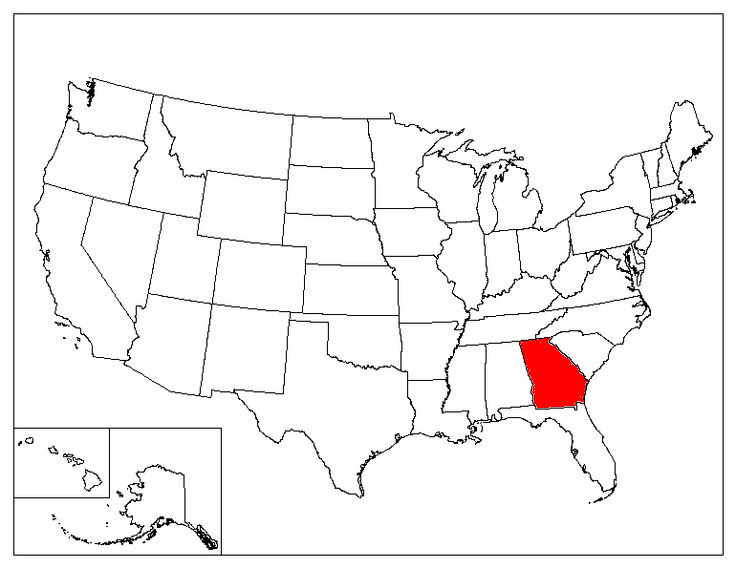
Georgia Location In The US
TL;DR: A Georgia data center used nearly 30 million gallons of water without being billed. After discovery, the operator paid about $150,000 but received no penalties for exceeding approved limits.
Fayette County approved the data center while its water metering system was being upgraded from old analog meters to a cloud‑based smart network. The upgrade left the utility with outdated equipment in the field and limited real‑time usage data. Officials said the upgrade aimed to improve leak detection and overall system efficiency.
Staffing shortages meant only one employee was available to inspect meters across the county. That worker was “spread pretty thin,” according to the water system director, making regular checks difficult. The lone inspector now covers over 200 miles of pipe each month.
Nearby residents were already under drought restrictions and reported lower water pressure when the facility’s hidden hookups began drawing water. The situation raised concerns about equity in water allocation during dry periods. Some households reported intermittent outages during peak usage hours.
The data center had two industrial water connections. One was installed without the utility’s knowledge; the other was not linked to the company’s billing account. Both hookups were discovered during a routine audit of industrial accounts.
Because neither connection was metered for billing, the center consumed almost 30 million gallons of water free of charge. This volume equals roughly the annual usage of 275 average American households. The free usage went unnoticed for several months before the discrepancy surfaced.
When the oversight was uncovered, QTS paid roughly $150,000 for the water used. The county decided not to fine the operator for surpassing the peak‑usage limits established during the permitting process. County leaders cited a desire to avoid damaging relations with the facility’s parent company.
The case shows how rapid data center growth can outstrip local monitoring capabilities, especially when meter upgrades and staffing lag behind infrastructure demand. This gap between development speed and oversight capacity is becoming a recurring theme in fast‑growing tech hubs.
It also illustrates that utilities may prioritize maintaining a major customer relationship over strict enforcement of usage rules, which can shift costs onto the community. Residents argue that clear penalties would deter future overuse without harming legitimate business operations.
Watch for whether Fayette County accelerates its smart‑meter rollout, hires additional meter readers, and adopts clearer penalties for large industrial users that exceed approved allocations. State regulators are also reviewing whether similar loopholes exist in other jurisdictions.
Continue reading
More in this thread
Conversation
Reader notes
Loading comments...