Georgia Data Center Used 30 Million Gallons of Water Free, Paid $150k After Public Outcry
A Georgia data center used nearly 30 million gallons of water without charge, later paid about $150,000 after public outcry, and the utility declined to fine the operator.
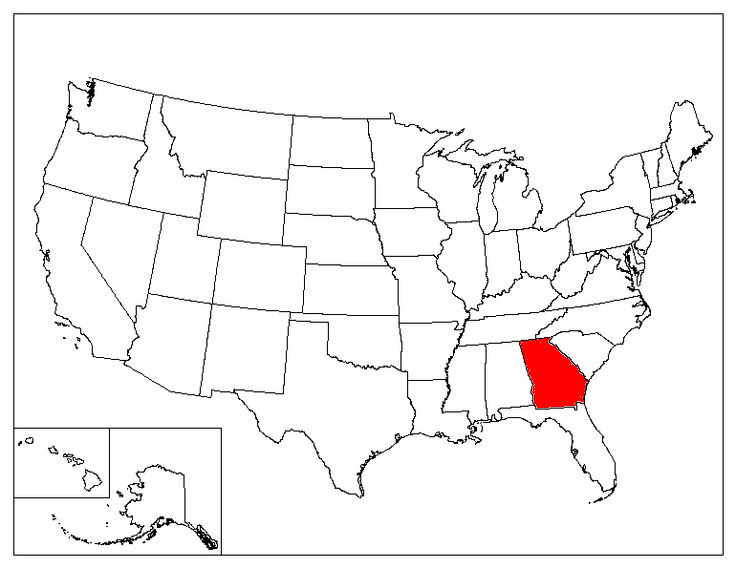
Georgia Location In The US
A Georgia data center drew nearly 30 million gallons of water from the county supply without receiving a bill.
TL;DR: A Fayette County data center used about 30 million gallons of water for free, later paid roughly $150,000 after public scrutiny, and the utility declined to fine the operator citing its status as the largest customer.
The facility, operated by Quality Technology Services, sits in Fayette County, where residents faced drought warnings and reduced water pressure at the same time.
County officials said the high usage went unnoticed because the water system is moving from old meters to a cloud‑based smart network that is still being rolled out.
Staffing shortages meant the sole employee tasked with meter inspections was spread thin, making it easy to miss unmetered connections.
Politico reported that the center consumed close to 30 million gallons before any charge was applied.
After the story emerged, QTS paid approximately $150,000 for the water it had used.
Fayette County water system director Vanessa Tigert explained that the utility decided not to levy a fine because QTS is its largest customer and maintaining good service is a priority.
The episode highlights gaps in monitoring that can allow large industrial users to exceed planned water allocations without immediate detection.
As more data centers locate in areas with limited water resources, utilities may need to accelerate metering upgrades and enforce usage caps to protect community supplies.
Local residents complained that their taps ran low while the data center’s usage went unchecked, prompting calls for greater transparency.
Some community groups urged the county to audit all large users and to publish real‑time water draw data.
Watch for the smart‑meter rollout to be completed by mid‑next year, which officials say will close the monitoring gap.
Continue reading
More in this thread
Conversation
Reader notes
Loading comments...