Gen Z Birdwatching Jumps 1,088% in UK, Near 750,000 Regular Spotters
UK research shows a 1,088% rise in Gen Z birdwatchers since 2018, with nearly 750,000 youths now spotting birds regularly.
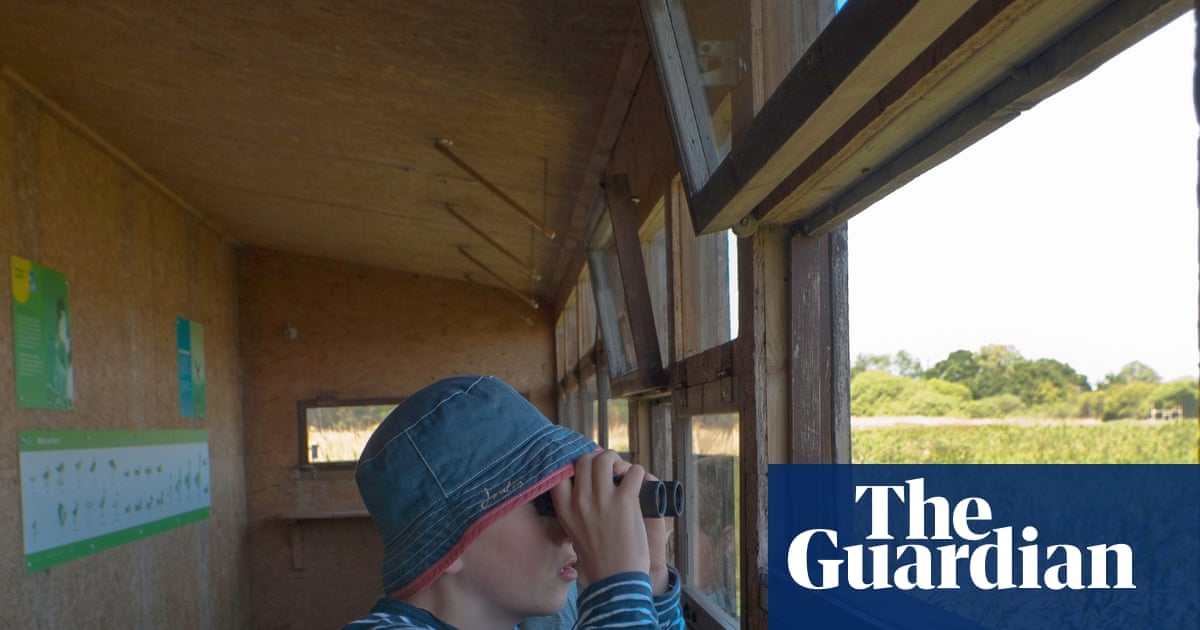
*TL;DR: A UK study finds 750,000 Gen Zers now birdwatch regularly – a 1,088% rise since 2018, making it the second‑fastest‑growing hobby for the cohort.
Context Birdwatching has moved from a niche pastime to a mainstream activity across all age groups. Over the past eight years, overall participation rose 47%, while millennials and Gen X saw 216% and 66% increases respectively. The latest surge is concentrated among 16‑ to 29‑year‑olds.
Key Facts - Fifty5Blue analysed responses from more than 24,000 participants on behalf of the Royal Society for the Protection of Birds (RSPB). The survey asked respondents how often they observed birds in natural settings. - The data show 749,000 British Gen Zers now birdwatch on a regular basis, up 1,088% from 2018 levels. - Among hobbies tracked, birdwatching ranks second only to jewellery making for growth within the generation. - RSPB Youth Council member Jess Painter, 24, describes the activity as “a moment of peace and a way to reconnect with nature, and with myself.” - RSPB wildlife adviser Molly Brown notes the trend signals a shift toward a more diverse, younger birdwatching community.
What It Means The rapid uptake suggests that digital platforms are reshaping how young people engage with nature. Social media posts, short videos and online identification apps lower entry barriers, allowing novices to share sightings instantly. This democratisation aligns with the biophilia hypothesis – the innate human drive to seek connections with living things – and may have measurable health benefits. RSPB president Amir Khan highlights that listening to birdsong can boost serotonin, a neurotransmitter linked to mood regulation.
Beyond mental health, early‑life exposure to wildlife may support cognitive resilience. Recent research links regular bird observation with slower age‑related cognitive decline, hinting at long‑term societal gains if the trend continues.
The RSPB plans to leverage the momentum by promoting events such as International Dawn Chorus Day, encouraging participants to wake before sunrise and experience peak birdsong. As more youths adopt birdwatching, citizen‑science contributions – like recording species presence for national surveys – are likely to increase.
Looking ahead, monitoring whether this enthusiasm translates into sustained conservation action will be crucial. The next wave of data, due after the 2027 survey cycle, will reveal if the current boom stabilises or accelerates further.
Continue reading
More in this thread
Conversation
Reader notes
Loading comments...