J. Craig Venter, Genomics Pioneer, Dies at 79
J. Craig Venter, who led the first draft human genome and advanced synthetic biology, died at 79. His methods reshaped modern genetics.
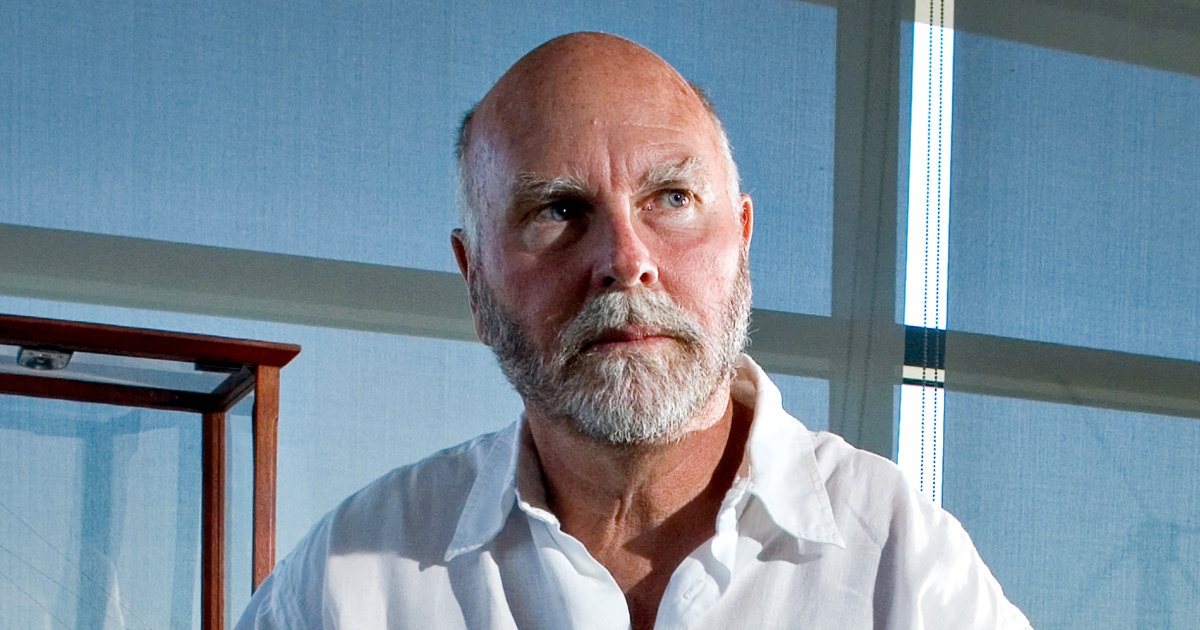
TL;DR: J. Craig Venter, the scientist who helped produce the first draft human genome and pioneered synthetic biology, died at 79 in San Diego.
Context Venter passed away on Wednesday, according to the J. Craig Venter Institute. He died in a San Diego hospital from complications related to cancer. The institute highlighted his role in shaping modern genomics and translating research into practical applications.
Key Facts - Born in 1946, Venter served as a Navy corpsman in Vietnam before earning a B.S. in biochemistry and a Ph.D. in physiology and pharmacology from UC San Diego. - In the 1990s his team at the National Institutes of Health created Expressed Sequence Tags, short DNA fragments that accelerated gene discovery. - In 1995 he applied whole‑genome shotgun sequencing—a method that fragments DNA and reassembles it computationally—to map the bacterium *Haemophilus influenzae*, the first free‑living organism sequenced. - He co‑founded Celera Genomics in 1998 and, as its president, entered a high‑speed race with the publicly funded Human Genome Project. In 2000 Celera announced the first draft of the human genome, a milestone that cut years off the timeline for decoding our DNA. - Venter later published a high‑quality diploid human genome, capturing genetic variation from both parental chromosomes, and led the World Ocean Sampling expedition, revealing vast microbial diversity through metagenomics. - Honors include the 2008 National Medal of Science, the 2002 Gairdner International Award, and the 2001 Paul Ehrlich Prize. - Colleagues described him as a “force of nature” and a “swashbuckling, restless pioneer,” noting his controversial yet decisive impact on the field.
What It Means Venter’s shotgun approach turned genome sequencing from a painstaking, gene‑by‑gene task into a data‑driven enterprise, enabling rapid mapping of complex organisms. His work laid the groundwork for today’s precision‑medicine initiatives, where individual genetic profiles guide treatment. Synthetic biology, another of his legacies, now underpins engineered microbes for biofuels, pharmaceuticals, and environmental remediation.
The scientific community will watch how emerging projects—such as the Human Cell Atlas and large‑scale gene‑editing trials—build on Venter’s data‑centric methods. His death marks the end of an era, but the tools he forged continue to accelerate discovery.
Continue reading
More in this thread
Voltpost Secures $609,500 DC Grant for Up to 16 Pole‑Mounted EV Chargers
Dr. Leo Tanaka
Renewables Overtake Coal as Leading Global Power Source in 2025
Dr. Leo Tanaka
Solar and Wind Power Account for 99% of 2025 Electricity Growth, Coal Drops Below One‑Third
Dr. Leo Tanaka
Conversation
Reader notes
Loading comments...