France’s Nuclear Share Hits 70% While Global Fusion Project Draws 35‑Nation €20 Billion Investment
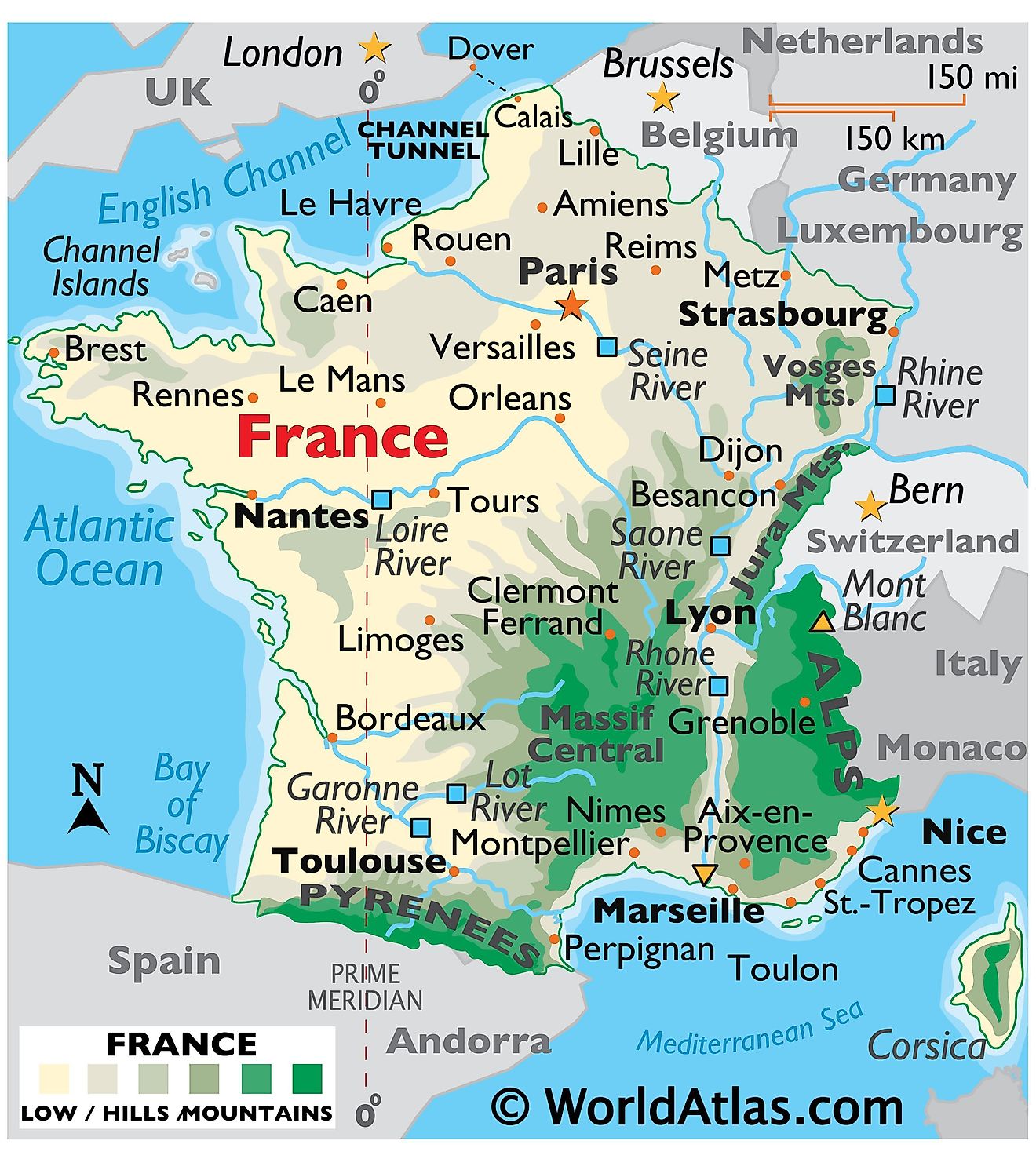
France derives about 70% of its electricity from nuclear power, while 35 nations have contributed over €20 billion to the ITER fusion reactor in southern France.
France’s Nuclear Share Hits 70% While Global Fusion Project Draws 35‑Nation €20 Billion Investment
**TL;DR:** France generates roughly 70% of its electricity from nuclear reactors, and the ITER fusion project in Cadarache has secured contributions from 35 nations exceeding €20 billion.
Context France’s electricity mix has long relied on nuclear fission, a process where heavy atoms such as uranium split to release heat that drives turbines. The country’s grid operator, RTE, calculates the nuclear share by dividing annual nuclear generation by total electricity production. This method shows a stable contribution despite fluctuations in renewable output.
Key Facts - RTE data for 2023 indicates nuclear plants supplied about 70% of France’s electricity, well above the global average of roughly 10%. - The ITER Organization reports that 35 member states have contributed more than €20 billion to build the world’s largest tokamak in Cadarache, southern France. - ITER’s central solenoid magnet can generate a magnetic force strong enough to lift an aircraft carrier, and its plasma is designed to reach 150 million °C, the temperature needed for sustained fusion reactions. - Unlike solar and wind, nuclear output does not vary with weather, providing a continuous baseload that supports grid stability.
What It Means The high nuclear share gives France a low‑carbon electricity profile, with life‑cycle emissions comparable to wind and far below coal or gas. The ITER investment reflects a multinational commitment to prove fusion as a future energy source, though the project remains in the experimental phase with first plasma scheduled for 2025 and deuterium‑tritium operations planned for the early 2030s.
What to watch next: milestones in ITER’s assembly schedule, any updates to France’s nuclear plant lifespan extensions, and how policymakers balance nuclear baseload with expanding renewable capacity.
Conversation
Reader notes
Loading comments...