France’s Nuclear Model Supplies 70% of Electricity While Global ITER Project Draws Over €20bn Investment
Discover how France generates 70% of its electricity from nuclear power. Learn about the ITER project, a €20bn global investment in nuclear fusion research in southern France.
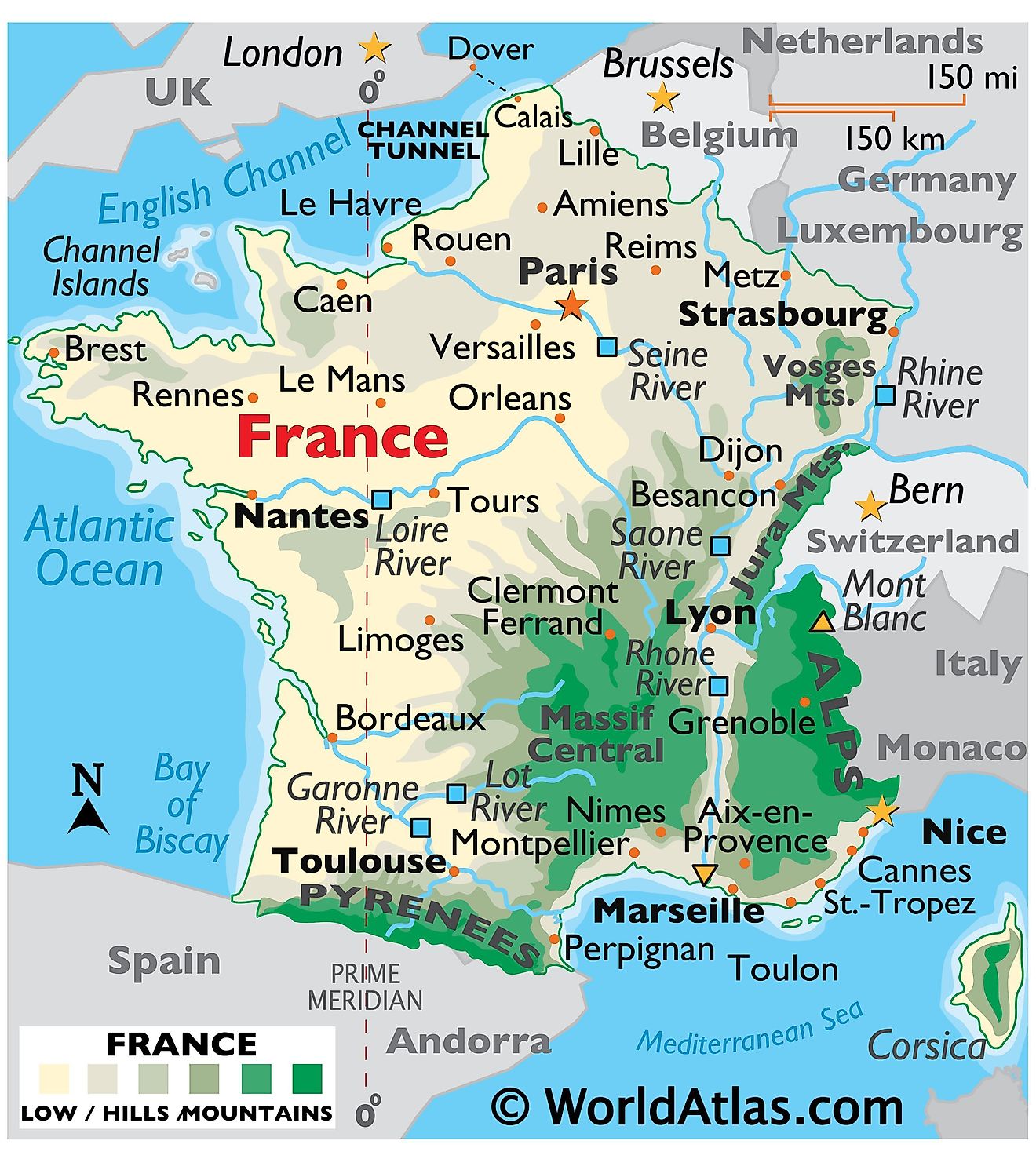
## TL;DR France relies on nuclear power for 70% of its electricity, showcasing a stable, low-carbon energy model. Concurrently, a global collaboration in southern France, the ITER project, has drawn over €20 billion in investment to advance nuclear fusion research.
## Context France consistently employs nuclear power as a cornerstone of its national energy strategy. This approach positions the country as a significant example for nations seeking energy independence and reduced carbon emissions. The established nuclear infrastructure provides a reliable power supply, contributing to climate change mitigation efforts through its low greenhouse gas emissions.
## Key Facts France generates about 70% of its total electricity from nuclear power plants. This high percentage contrasts with many other nations, highlighting a deliberate and long-standing national commitment to this energy source. Such a model ensures a stable electricity supply, as nuclear power does not depend on variable weather conditions, unlike solar or wind power. This inherent stability provides continuous generation capacity, mitigating interruptions common with intermittent renewable sources.
Current French nuclear plants operate on nuclear fission, a process that involves splitting heavy atoms like uranium. This reaction releases immense amounts of energy. This energy then heats water, generating steam to drive turbines and produce electricity on a large scale. The consistent output from these plants contributes significantly to France's energy security and grid stability.
Globally, 35 countries have invested over €20 billion in the International Thermonuclear Experimental Reactor (ITER). Under construction in southern France, ITER aims to harness nuclear fusion, a process distinct from fission. Fusion combines light atomic nuclei, such as hydrogen isotopes, mimicking the energy production of the sun and stars. The project seeks to demonstrate the scientific and technological feasibility of fusion power for peaceful purposes.
The ITER facility incorporates advanced engineering, including a central solenoid magnet powerful enough to lift an aircraft carrier. Inside the reactor's vacuum vessel, superheated plasma will reach extreme temperatures of 150 million degrees Celsius. These conditions are necessary to sustain the fusion reactions, a critical step towards a potential new, clean energy source. This immense global investment underscores the international push for a long-term, sustainable energy solution.
## What It Means France's operational nuclear fission fleet demonstrates a robust, consistent energy framework, contributing to both energy independence and emission reduction. The ongoing ITER project, meanwhile, represents a major global effort to develop fusion energy as a future power source, promising potentially limitless and cleaner energy. Observers will continue to monitor how both established nuclear fission and developing fusion technologies evolve to address global energy demands and climate change mitigation challenges.
Conversation
Reader notes
Loading comments...