Exhibition Shows Israeli Chief Rabbis' Secret Diplomacy with U.S. Presidents from 1924 to 1992
Letters and telegrams show Israeli chief rabbis’ private outreach to U.S. presidents on Jewish homeland, refugee aid, and optimism from 1924 to 1992.
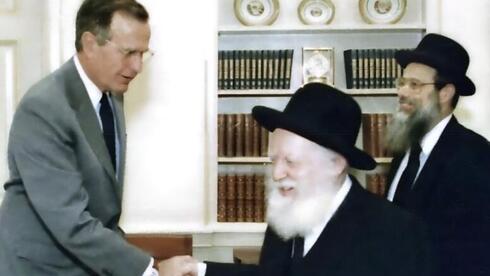
TL;DR: The exhibition at the President’s Residence in Jerusalem documents chief rabbis’ private contacts with U.S. presidents from 1924‑1992, including Coolidge’s pledge on a Jewish homeland, Herzog’s 1944 praise for the War Refugee Board, and Shapira’s 1992 reminder to Bush that rabbis must stay optimistic.
Context In 1924 Rabbi Abraham Isaac Kook, then chief rabbi of Mandatory Palestine, visited the White House and met President Calvin Coolidge. The meeting was photographed and later became part of a trove of materials gathered from U.S. presidential libraries. Researchers from the Jerusalem Center for Applied Policy spent years assembling letters, telegrams, and photographs that reveal a sustained, though little‑known, channel of dialogue between Israel’s religious leadership and the American executive branch.
Key Facts President Calvin Coolidge told Rabbi Kook that the U.S. government would assist as much as possible in establishing a Jewish national home in Palestine after their 1924 meeting. In a 1944 telegram to President Franklin D. Roosevelt, Rabbi Isaac Halevi Herzog praised the creation of the War Refugee Board, calling it a blessing for the shattered remnants of European Jewry. During a March 1992 Oval Office meeting, Chief Rabbi Avraham Shapira thanked President George H.W. Bush for aiding Soviet Jewry and, when asked about optimism, replied that rabbis must always be optimistic.
What It Means The documents illustrate how religious figures supplemented formal diplomacy by appealing to presidents’ personal values and humanitarian concerns. Coolidge’s pledge preceded later political support for a Jewish state, Herzog’s telegram highlighted early U.S. efforts to rescue Holocaust victims, and Shapira’s exchange underscored a continuing emphasis on hope amid geopolitical shifts. Together, they show a pattern of quiet advocacy that helped shape public opinion and policy over decades.
Watch for upcoming scholarly conferences that may expand on the newly released archive and explore how similar faith‑based channels operate in contemporary U.S.–Israel relations.
Continue reading
More in this thread
Iran’s Foreign Minister Blames US for Failed Negotiations Amid Rising Lebanon Violence
Nadia Okafor
Netanyahu's Rivals Unite: A Fact Check on the Bennett-Lapid Alliance
Nadia Okafor
Bennett and Lapid’s alliance poses a real threat to Netanyahu’s hold on power
Nadia Okafor
Conversation
Reader notes
Loading comments...