Iran’s Foreign Minister Blames US for Failed Negotiations Amid Rising Lebanon Violence
Iran's Foreign Minister Abbas Araghchi blames US demands for failed negotiations. Concurrently, Israeli strikes killed 14 in Lebanon, escalating regional tensions.
TL;DR
Iranian Foreign Minister Abbas Araghchi attributes the failure of recent talks to US demands, as Iran relays "red lines" to Washington through Pakistan. Simultaneously, violence escalated in southern Lebanon, marking the deadliest day since the regional ceasefire began.
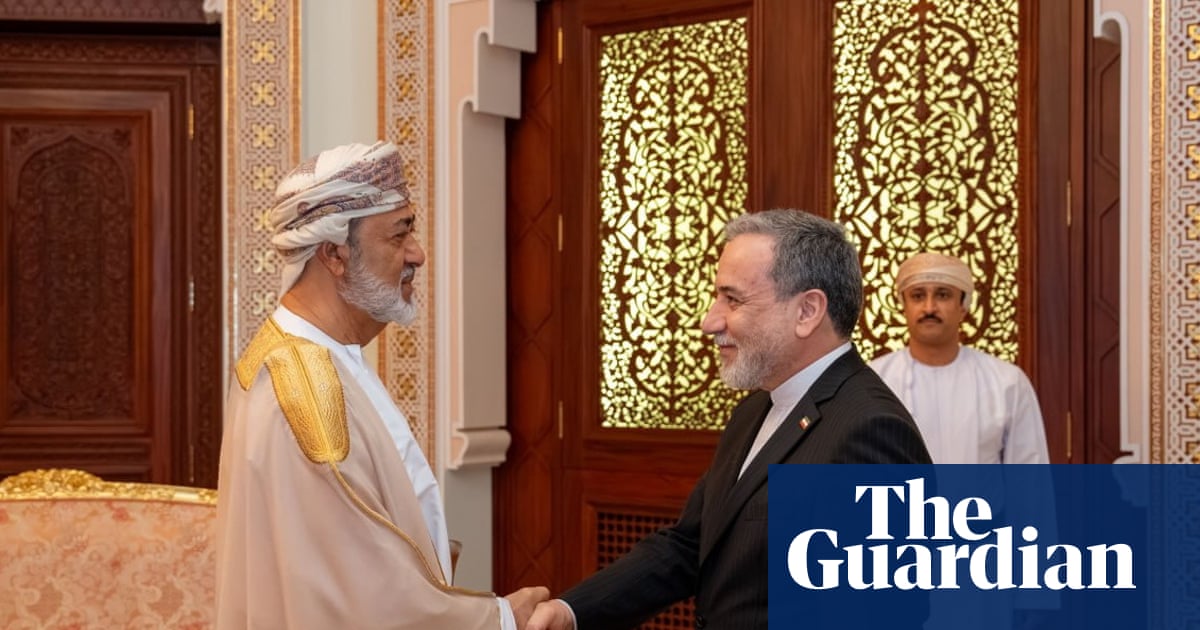
Iranian Foreign Minister Abbas Araghchi stated Monday that excessive US demands stalled recent diplomatic efforts. This declaration came amidst a diplomatic tour, including visits to Oman, Pakistan, and Russia, where he is scheduled to meet President Vladimir Putin. Direct negotiations between Washington and Tehran remain at an impasse.
Araghchi specifically cited "US excessive demands" as the reason for the previous round of negotiations failing to reach its goals, despite reported progress. He made these remarks from Saint Petersburg. Iran communicated written messages to the United States through Pakistan, outlining Iran’s "red lines" concerning nuclear issues and the Strait of Hormuz, a critical maritime chokepoint for global oil shipments. These exchanges occurred outside formal negotiation channels.
The diplomatic stalemate coincides with an escalation of conflict in Lebanon. Israeli strikes in southern Lebanon killed 14 people on Sunday, marking the deadliest single day since the ceasefire between Israel and Iran-backed Hezbollah took effect. Both Israel and Hezbollah blamed each other for violating the truce.
The Strait of Hormuz, a critical maritime chokepoint, remains a key point of contention. Iran has previously blocked the strait, disrupting global oil, gas, and fertilizer flows and causing price surges. This action prompted a US blockade of Iranian ports. The ongoing diplomatic tensions and regional violence carry global economic implications, particularly for energy markets and international trade.
The international community watches for further diplomatic shifts and any de-escalation of violence in the region, particularly as global economic stability hinges on these developments.
Continue reading
More in this thread
Iran Proposes Hormuz Blockade Lift; US Cites Full Leverage
Nadia Okafor
Suspect in White House Correspondents' Dinner Shooting Faces Federal Charges as Trump Calls Attacker 'Lone Wolf Whack Job'
Nadia Okafor
Iran Offers to Lift Hormuz Blockade While Demanding US End Sanctions, Trump Says He Holds All Cards
Nadia Okafor
Conversation
Reader notes
Loading comments...