Ex-Official Claims Downing Street Pressured Quick Approval of Mandelson Ambassadorship Despite Vetting Concerns
Sir Olly Robbins, former Foreign Office official, alleges Downing Street rushed Lord Mandelson's US ambassador appointment despite security vetting recommending denial.
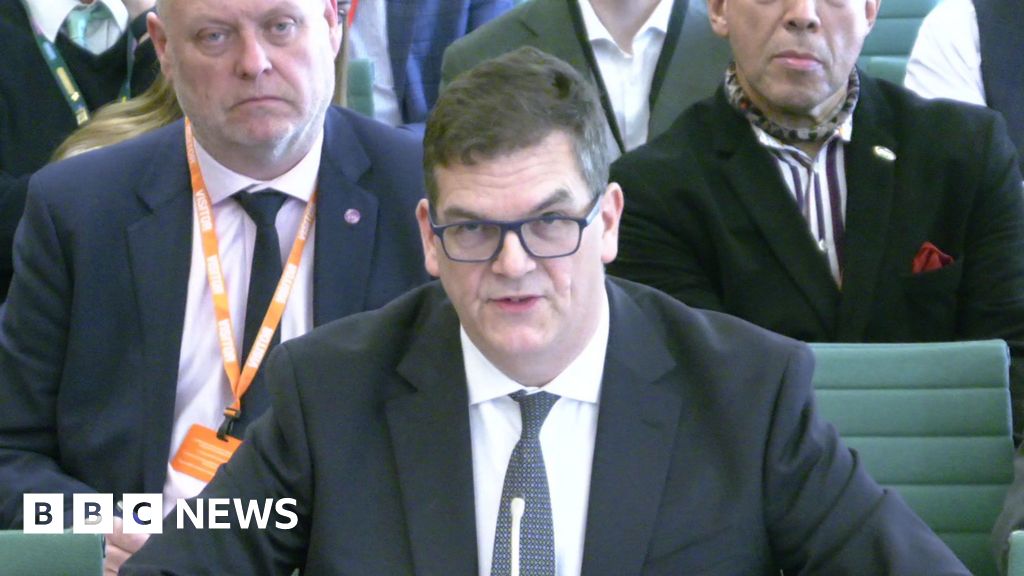
Sir Olly Robbins
TL;DR
A former senior official claims Downing Street exerted significant pressure to fast-track Lord Mandelson's appointment as US ambassador, despite internal security vetting concerns.
Sir Olly Robbins, who previously served as the Foreign Office's top civil servant, recently testified before Members of Parliament regarding high-level appointments. His statements came after his own dismissal, a development linked to the ongoing controversy surrounding Lord Mandelson’s security clearance for the ambassadorial role to the United States. This testimony brings new scrutiny to the integrity of government appointment procedures.
Lord Mandelson was initially appointed as UK ambassador to the US in December 2024. He was later removed from the post in September, following further details emerging about his association with the late Jeffrey Epstein. The vetting process is a critical security clearance procedure for individuals holding sensitive government roles, ensuring national security and public trust.
According to Sir Olly, Downing Street demonstrated a dismissive attitude toward this essential security vetting process for Lord Mandelson's appointment. He stated that Downing Street applied constant pressure, aiming to rush the former Labour minister into the ambassador role as quickly as possible. This pressure occurred throughout the period of the security review.
UK Security Vetting (UKSV), the government agency responsible for such assessments, deemed Lord Mandelson a borderline case. UKSV's evaluation leaned towards recommending that clearance be denied. However, the Foreign Office’s internal security department assessed that the risks identified by UKSV could be effectively managed and mitigated. Following this assessment, the Foreign Office then granted the necessary security clearance.
These claims prompt questions about the independence of security assessments for politically significant roles. The Prime Minister, Sir Keir Starmer, has previously stated he was not informed of the detailed outcome of the UKSV's vetting assessment. The ongoing fallout has led to calls for a vote of no confidence against the Prime Minister. Future inquiries may focus on defining clear boundaries between political directives and the autonomous functions of security and administrative processes in high-profile government appointments.
Continue reading
More in this thread
Nine US Aircraft Land in Pakistan as Trump Extends Iran Ceasefire Deadline
Nadia Okafor
Trump May Break No-Ground-Troops Pledge as 10,000+ US Forces Deploy to Gulf
Nadia Okafor
Four Labour Activists Charged with Manipulating Party Database to Influence Croydon East Selection
Nadia Okafor
Conversation
Reader notes
Loading comments...