Trump May Break No-Ground-Troops Pledge as 10,000+ US Forces Deploy to Gulf
Over 10,000 US troops deployed to the Gulf, raising concerns about a ground invasion as a ceasefire concludes and conflicting signals emerge from Washington.
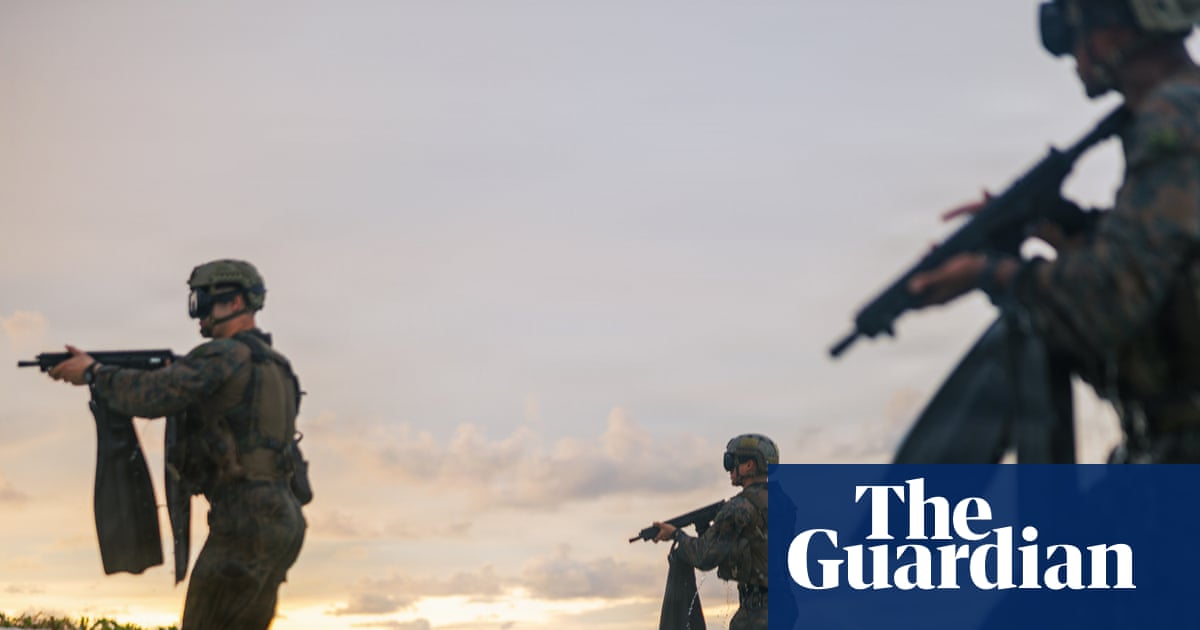
More than 10,000 additional US forces have deployed to the Gulf, raising questions about a potential ground invasion as a ceasefire concludes.
A two-week ceasefire in the Middle East is concluding, raising the prospect of renewed conflict. President Trump previously vowed to avoid deploying US ground troops, aiming to prevent entanglement in another protracted conflict in the region. However, recent military movements suggest a potential change in strategy.
Since the April 8 ceasefire pause, over 10,000 additional US troops have deployed to the region. This significant increase signals readiness for possible escalation despite hopes for an end to hostilities.
Experts note a disconnect between public statements and military actions. Ali Vaez, a director at the International Crisis Group, observed that focusing on President Trump's actions rather than his words indicates a ground invasion is likely.
Iranian officials express confidence in their defensive capabilities. Abbas Araghchi, Iran’s foreign minister, stated that Iran is "waiting for them," confident in its ability to confront US forces and inflict a major disaster.
The significant US troop deployment signals a potential strategic shift, moving beyond rhetorical pledges against ground operations. This concentration of forces indicates a readiness for escalated engagement, contrasting with past assurances and raising the specter of a broader conflict. Such a shift could lead to mission creep, where military involvement expands beyond initial limited objectives, potentially prolonging US presence in the region.
Iranian military planners have spent years preparing for a ground invasion. Their strategy includes the division of the Islamic Revolutionary Guard Corps (IRGC) into 31 provincial units. This decentralized structure aims to maintain defensive capabilities even if central command is disrupted. This approach, conceived after the 2003 Iraq invasion, emphasizes guerrilla warfare and asymmetric tactics, reflecting Iran's experience in previous conflicts, such as the 1980-88 war with Iraq.
The coming days will be critical. Stakeholders will watch whether diplomatic efforts can resume to de-escalate tensions or if the increased military presence will lead to direct ground engagement. Observers will closely monitor both troop movements and official communications for any indications of the next phase.
Continue reading
More in this thread
Conversation
Reader notes
Loading comments...