Eurozone inflation hits 3% as energy prices jump 10.9%
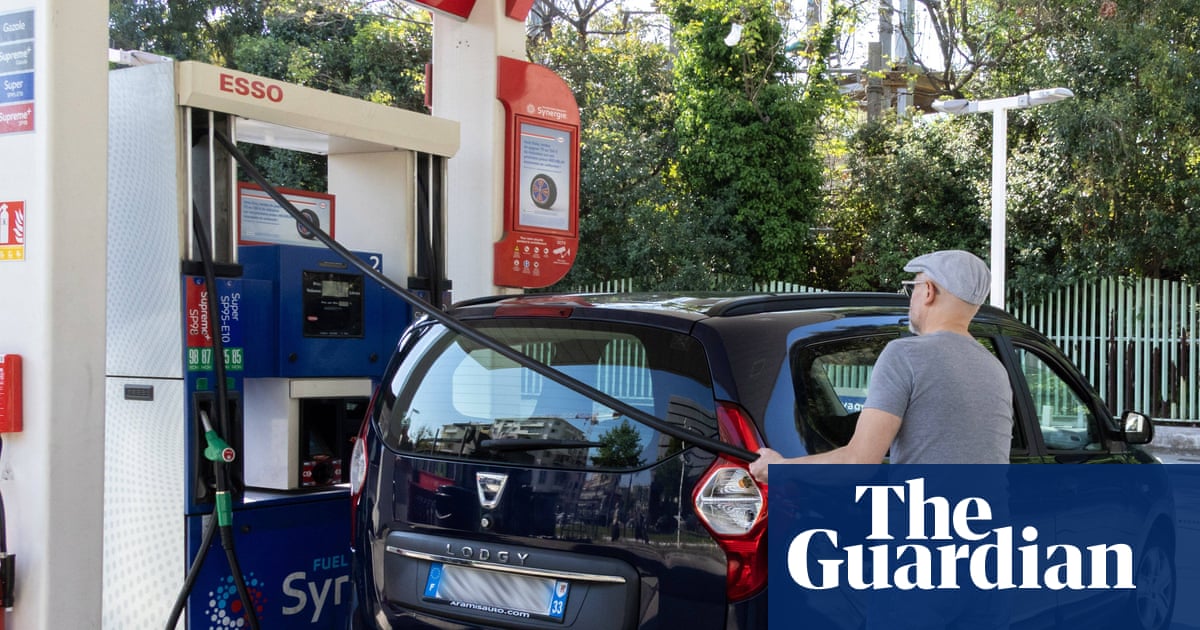
Eurozone inflation rose to 3% in April as energy prices jumped 10.9% due to the Iran war. Growth slowed to 0.1% in Q1, with Germany beating forecasts and France stagnating.
TL;DR
Eurozone inflation rose to 3% year-on-year in April, driven by a 10.9% surge in energy prices linked to the Iran war. The eurozone economy barely grew, with Germany posting 0.3% Q1 growth while France stagnated.
Context Inflation across the single currency bloc has moved above the European Central Bank’s 2% target, reaching its highest level since late 2023. The jump follows a sharp increase in energy costs, which Eurostat attributes to heightened tensions in the Middle East. At the same time, overall output weakened, with the eurozone’s gross domestic product expanding just 0.1% in the first quarter.
Key Facts Consumer prices in the eurozone climbed 3% compared with April 2023, up from 2.6% in March and 1.9% in February. Energy prices rose 10.9% year-on-year, a notable acceleration from the 5.1% increase recorded in March. Services inflation eased to 3.0%, while food, alcohol and tobacco added 2.5% and industrial goods contributed 0.8%.
Germany’s economy outperformed forecasts, expanding 0.3% in the first quarter, according to Eurostat. ING economist Carsten Brzeski noted that, almost a year after Chancellor Friedrich Merz’s government took office, the data shows the German economy is stronger than its reputation suggests. He cautioned that continued growth depends on resolving structural challenges and managing external shocks.
What It Means The inflation reading reinforces expectations that the European Central Bank may keep interest rates steady or consider further tightening at its upcoming policy meeting. Higher energy costs squeeze household budgets and could dampen consumption, which remains a key driver of eurozone growth. Meanwhile, the modest German expansion offers a limited offset to weakness in other members, such as France, which recorded zero growth.
Policymakers will need to weigh the risk of persistent price pressures against the fragility of the recovery. The outlook hinges on how quickly energy markets stabilize and whether governments can implement reforms that boost productivity.
What to watch next: the ECB’s rate decision on Thursday, upcoming Eurostat flash estimates for May inflation, and any updates on German fiscal and structural reform plans.
Continue reading
More in this thread
Conversation
Reader notes
Loading comments...