EU Deadlock Persists on Israel Sanctions Despite Calls to Suspend Association Agreement
The EU faces internal divisions over suspending its association agreement with Israel amidst calls for sanctions, highlighting a lack of consensus among member states.
TL;DR
The European Union remains deadlocked on imposing sanctions against Israel, despite persistent calls from some member states to suspend the EU-Israel association agreement. Consensus for such a measure currently eludes the 27-member bloc.
The European Union faces significant internal divisions over its stance on Israel, particularly concerning the humanitarian plight in Gaza and increased violence by Israeli settlers in the West Bank. This split fuels persistent calls from several member states to re-evaluate the EU-Israel association agreement, a foundational pact guiding political dialogue and economic cooperation between the two entities.
Spanish Prime Minister Pedro Sánchez has publicly urged the EU to terminate this association agreement. The agreement facilitates extensive cooperation, from trade to cultural exchange, and explicitly includes provisions relating to human rights and democratic principles. The Prime Minister’s direct call highlights growing pressure within parts of the bloc for stronger measures in response to ongoing events.
Implementing a full termination of the EU-Israel association agreement requires unanimous consent from all 27 EU member states. A more immediate path, a partial suspension of the agreement, requires a weighted majority vote of 15 countries representing 65% of the EU population. Crucially, nations like Germany and Italy currently oppose a suspension, meaning a significant shift in their positions would be necessary for such a partial measure to pass.
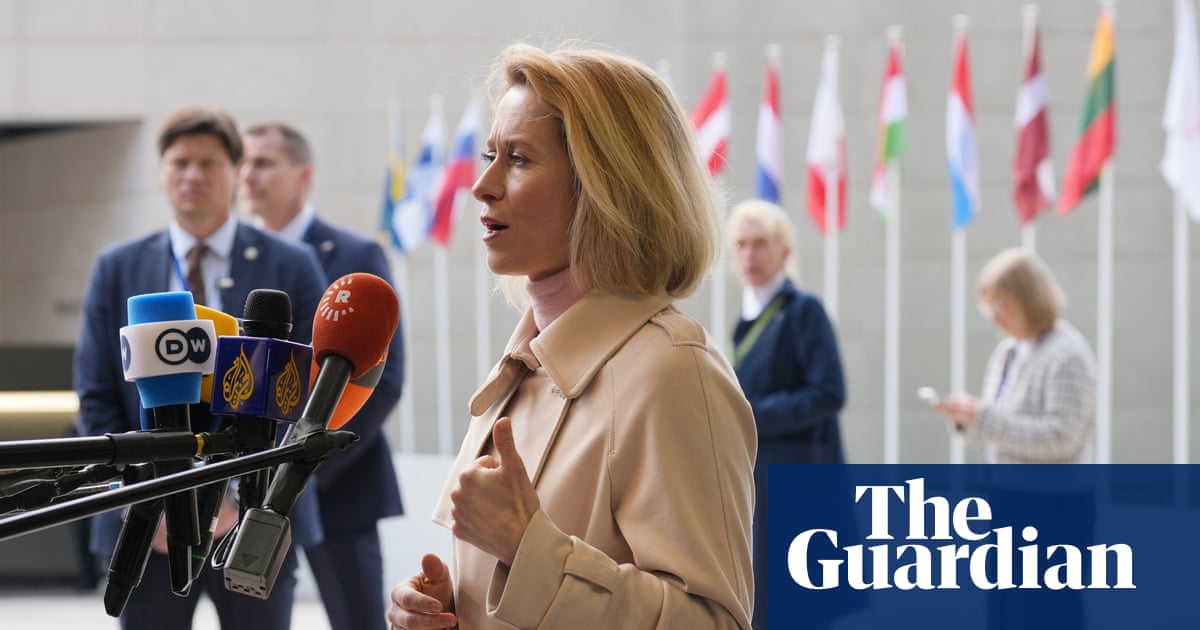
Kaja Kallas, the EU's foreign policy chief, confirmed that discussions on suspending the agreement would continue among member states. She noted that no immediate decision had been reached following recent high-level meetings. This statement underscores the persistent lack of a unified position within the bloc, reflecting ongoing diplomatic challenges.
The ongoing deadlock reflects fundamental differences in approach among EU members regarding engagement with Israel. Some advocate for punitive measures, arguing they align with the EU's stated values and international law, while others prioritize continued diplomatic dialogue and de-escalation. This dynamic means the EU's ability to act cohesively on this sensitive foreign policy issue remains challenged. What to watch next is whether any key member states, particularly Germany or Italy, adjust their long-held stances, potentially altering the prospects for a partial suspension of the agreement.
Continue reading
More in this thread
Tennessee Legislature Sends PBM Pharmacy Restriction Bill to Governor Amid CVS Warning of Clinic Closures and Job Losses
Nadia Okafor
North Lincolnshire Rolls Out £50m Heating Oil Aid as Over 600 Households Sign Up
Nadia Okafor
Temporary Housing Linked to 104 Child Deaths in England Over Six Years, MPs Demand Urgent Action
Nadia Okafor
Conversation
Reader notes
Loading comments...