EnviroCow Index Cuts Dairy Farm Emissions by Up to 16% in UK Study
UK study shows selecting bulls with high EnviroCow scores reduces dairy herd carbon footprints by 8.5%‑16% over five years, explaining 37% of emission variance.
*TL;DR: Selecting dairy bulls with high EnviroCow genetic scores can slash herd carbon footprints by up to 16% over five years, accounting for more than 37% of emission differences across farms.
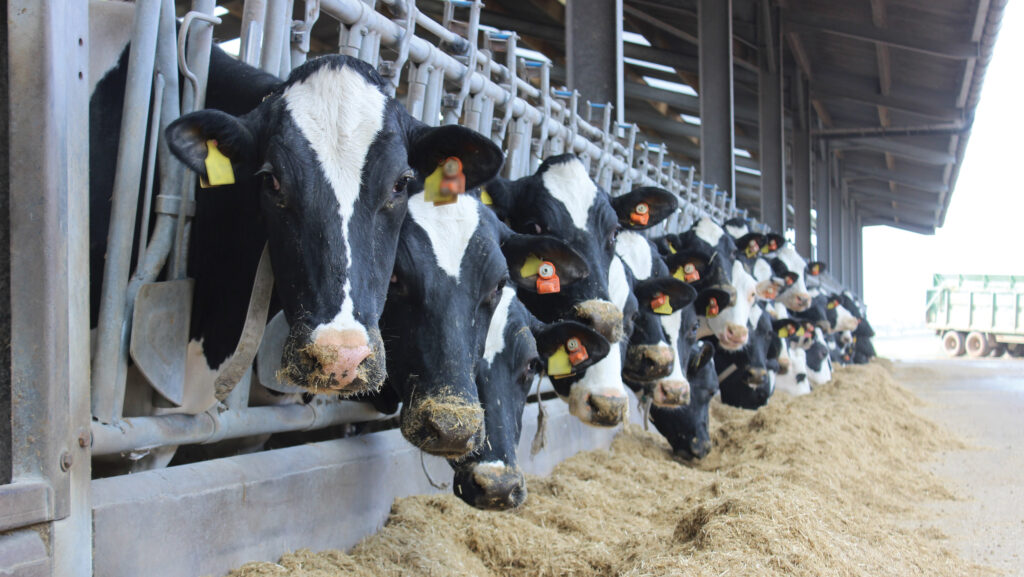
Context A five‑year project commissioned by the Agriculture and Horticulture Development Board (AHDB) examined 5,000 cows in three UK dairy herds that sell milk to Arla. Researchers measured each herd’s carbon footprint through Arla’s FarmAhead sustainability program. The study tested the EnviroCow genetic index, a breeding tool designed to improve feed efficiency, lifespan, production and fertility while reducing greenhouse‑gas output.
Key Facts - Cumulative carbon reductions ranged from 8.5% to 16% when farmers prioritized bulls with the highest EnviroCow values. - The index explained 37% of the variation in total emissions intensity among the herds, with roughly half of that impact coming from enteric emissions (methane released during digestion). - Across conventional indoor, high‑efficiency indoor, and intensive grazing systems, higher EnviroCow scores consistently correlated with lower emissions per kilogram of fat‑ and protein‑corrected milk, which averaged 1.01 kg CO₂‑e/kg milk. - The Profitable Lifetime Index (PLI), an economic breeding tool, accounted for just under 30% of emission variance and is highly correlated with EnviroCow, indicating that existing breeding trends already favor lower emissions.
What It Means The findings confirm that genetics can deliver measurable climate benefits without adding farm costs. By embedding EnviroCow into breeding programs, dairy producers can achieve permanent, cumulative emission cuts that compound each generation. AHDB’s head of animal genetics notes that current selection practices already improve emission intensity by about 5% every five years; targeting EnviroCow could double that rate.
For farmers, the practical step is to include high‑EnviroCow bulls in mating plans while maintaining balanced selection for profitability and animal health. As genetic gains persist, the dairy sector could see steady declines in its carbon footprint, supporting both market incentives and potential future carbon‑payment schemes.
Looking ahead, monitoring how quickly the industry adopts EnviroCow‑focused breeding and how those genetic gains translate into national emission reports will be critical to gauging the tool’s long‑term climate impact.
Continue reading
More in this thread
EnviroCow breeding index shown to cut dairy carbon footprint by up to 16%
Dr. Leo Tanaka
EPA Finds 66 Million Tons of U.S. Food Waste Fueled 8% of Global Emissions in 2019
Dr. Leo Tanaka
EPA Reports 66 Million Tons of U.S. Food Waste in 2019, Tied to 8% of Global Carbon Emissions
Dr. Leo Tanaka
Conversation
Reader notes
Loading comments...