EnviroCow breeding index shown to cut dairy carbon footprint by up to 16%
Research involving 5,000 cows shows that the EnviroCow breeding index can lower dairy emissions by up to 16% over five years and explains over 37% of herd emission variation.
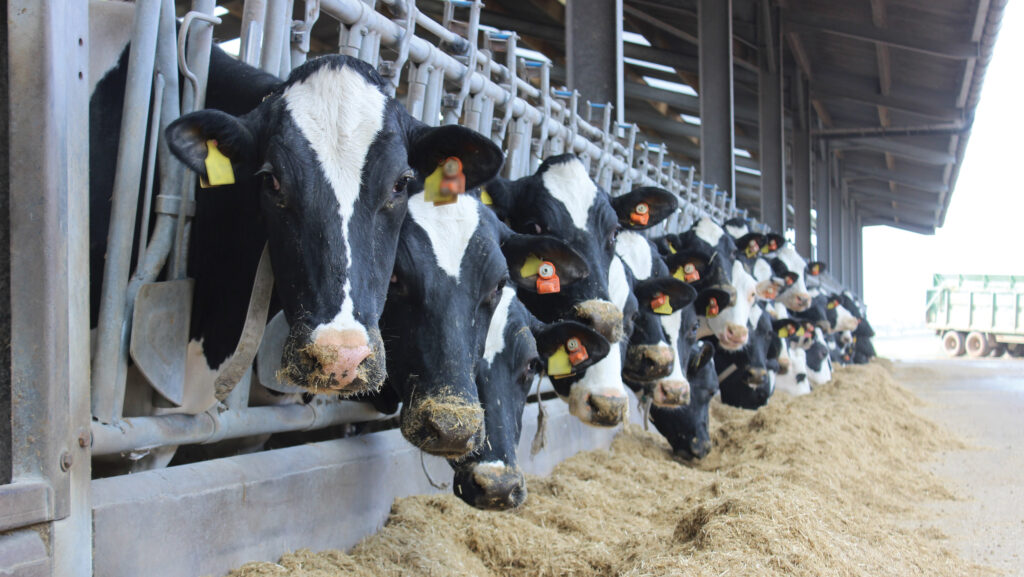
A UK study shows that selecting bulls with high EnviroCow scores can lower dairy farm carbon emissions by as much as 16% over five years. The index explains more than 37% of the variation in herd emissions intensity.
The dairy sector faces pressure to cut greenhouse‑gas emissions while maintaining productivity. Genetic improvement offers a low‑cost route because changes in animal DNA persist and accumulate over generations.
The Agriculture and Horticulture Development Board (AHDB) commissioned Promar International to test whether its EnviroCow breeding index could deliver measurable climate benefits on commercial farms. Emissions were measured through Arla’s FarmAhead incentive package, which tracks feed use, manure management and energy consumption per kilogram of fat‑ and protein‑corrected milk.
Researchers tracked 5,000 cows from three herds supplying Arla, each managed under conventional indoor, high‑efficiency indoor, or intensive grazing systems. Over a five‑year period, farms that prioritized bulls with high EnviroCow values saw cumulative carbon‑footprint reductions ranging from 8.5% to 16%.
Statistical analysis showed that EnviroCow alone accounts for over 37% of the differences in emissions intensity between herds, with roughly half of that effect linked to lower enteric methane output. The study also noted that the Profitable Lifetime Index (£PLI) explains just under 30% of emission variation, and because the two indexes are highly correlated, genetic progress on one tends to lift the other.
The results confirm that genetics can deliver climate gains comparable to many management‑practice changes, without requiring new equipment or major operational shifts. Because the trait is heritable, each generation of selected cattle builds on the previous one, creating a lasting downward trajectory in emissions.
Farmers can adopt EnviroCow alongside existing profit indexes such as £PLI, balancing economic and environmental goals. Looking ahead, watch for wider uptake of the index in national breeding programs and its potential inclusion in milk‑payment schemes that reward lower‑carbon production.
Continue reading
More in this thread
EnviroCow Index Cuts Dairy Farm Emissions by Up to 16% in UK Study
Dr. Leo Tanaka
EPA Finds 66 Million Tons of U.S. Food Waste Fueled 8% of Global Emissions in 2019
Dr. Leo Tanaka
EPA Reports 66 Million Tons of U.S. Food Waste in 2019, Tied to 8% of Global Carbon Emissions
Dr. Leo Tanaka
Conversation
Reader notes
Loading comments...