ECB Lane Says Oil Shocks Could Trim Euro‑Area GDP by 0.2‑0.3%
ECB policymaker Philip Lane warned that supply‑driven oil shocks could reduce euro‑area GDP growth by 0.2‑0.3 pp, while EUR/USD hovers just above its 100‑day moving average at 1.1710.
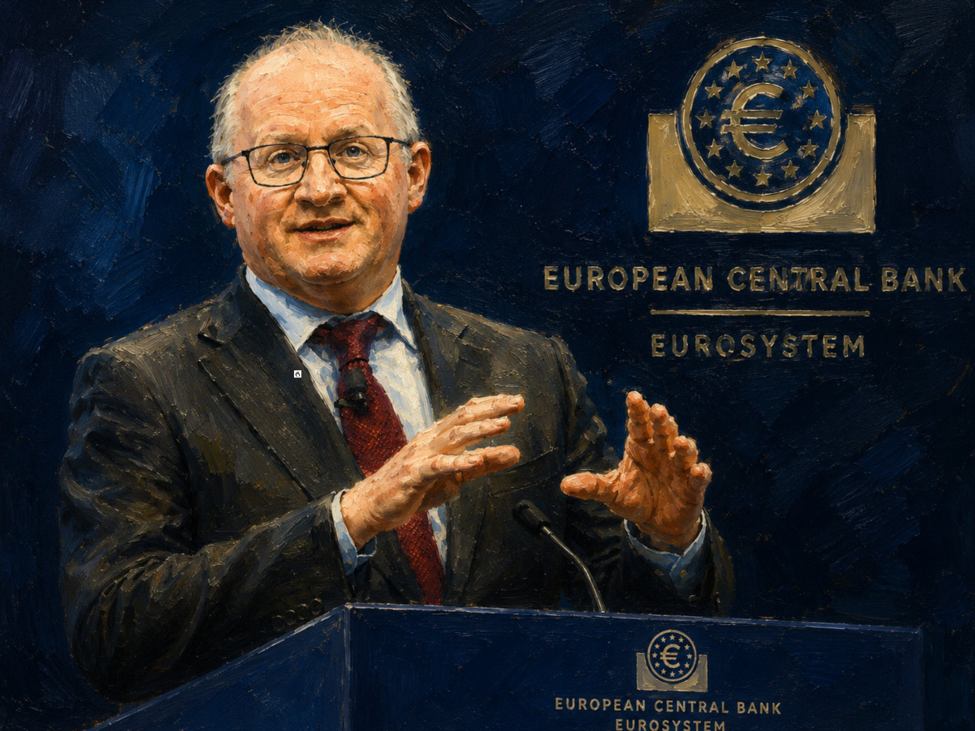
TL;DR
ECB policymaker Philip Lane warned that supply‑driven oil shocks could shave 0.2‑0.3 percentage points off euro‑area GDP, while EUR/USD hovers just above its 100‑day moving average at 1.1710.
Context Lane spoke at a private dinner, outlining how geopolitical supply disruptions push oil prices up and weigh on euro‑area growth. He noted that such shocks reduce consumption, investment, and raise uncertainty, trimming GDP by roughly two to three tenths of a point over the following years. The current Middle East tension is more global than the 2022 Russia‑Ukraine episode, potentially spreading cost pressures through wider supply chains. In addition, Lane pointed out that inflation, supply bottlenecks, and wage pressures are generally more contained than during the Ukraine shock, though the broader nature of today’s shock could still generate spillovers.
Key Facts Lane estimated that a supply‑driven oil price shock lowers euro‑area GDP growth by about 0.2 to 0.3 percentage points in the years after the shock. EUR/USD is trading at 1.1710, which is 0.0002 above its 100‑day moving average of 1.1708, or roughly 0.02% higher; the pair slipped below the average earlier in the European session before rebounding. He said minor, temporary inflation changes would likely not prompt ECB action, but a larger, persistent overshoot would justify measured or even forceful tightening; he added that the bank remains meeting‑by‑meeting data dependent.
What It Means The ECB’s stance remains data‑dependent; policymakers will watch for second‑round effects such as wage growth and inflation expectations before deciding on rates. If energy costs feed into broader price pressures, the bank may shift from its current neutral bias toward tightening, though Lane stressed that demand‑side weakness could limit pass‑through. Traders see EUR/USD stuck near its short‑term average, indicating indecision about the pair’s next direction; the Euro Stoxx 50 index (ticker: ^STOXX50E) slipped 0.3% in early European trade, with a total market capitalization of roughly €4.2 trillion. What to watch next: upcoming euro‑area wage data and any further escalation in Middle East oil supply disruptions, which could trigger the ECB’s policy response.
Continue reading
More in this thread
Hot CPI Print Sends Bitcoin Below $80K Before Quick Recovery as Fed Cut Hopes Fade
David Amara
Paybis Gains Dual MiCA CASP and PSD2 PI Licences, Expanding EU Crypto Payments
David Amara
ECB's Lane Warns Global Energy Shocks Could Slice Eurozone GDP by 0.2‑0.3%
David Amara
Conversation
Reader notes
Loading comments...