ECB's Lane Warns Global Energy Shocks Could Slice Eurozone GDP by 0.2‑0.3%
ECB chief economist Philip Lane warns supply‑driven energy shocks could cut eurozone growth by 0.2‑0.3 points and stresses data‑dependent policy.
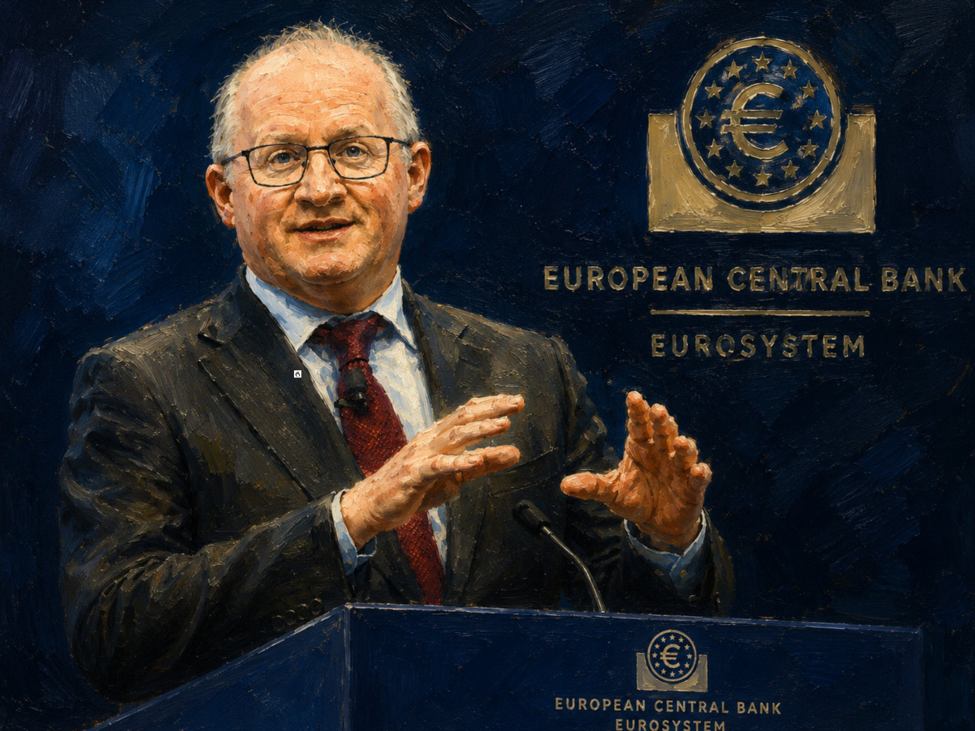
TL;DR ECB chief economist Philip Lane said supply‑driven energy shocks could trim eurozone GDP growth by 0.2‑0.3 percentage points and warned that only a significant, persistent inflation rise would trigger policy tightening.
Context Lane spoke at a private dinner, noting that today’s Middle East‑linked energy shock is more global than the 2022 Russia‑Ukraine episode. Inflation, supply bottlenecks and wage pressures are generally more contained now, but the broader nature of the shock could still generate inflation spillovers. The EURUSD pair hovered around its 100‑day moving average, trading at 1.1710 versus the average of 1.1708, indicating market indecision about the next move.
Key Facts Lane cited research showing supply‑driven energy shocks reduce euro area GDP growth by roughly 0.2 to 0.3 percentage points over the following years through weaker consumption, investment and higher uncertainty. He added that global energy shocks cause greater growth damage and inflation pressure than regional shocks because they lift both energy prices and the cost of imported goods across supply chains. The ECB will only tighten policy if inflation rises significantly and persists, not for minor, temporary fluctuations.
Market data reflected the cautious mood: the EURUSD=X was flat at 1.1710, the DAX (^GDAXI) slipped 0.4% to 18,200 points, and the STOXX Europe 600 (^STOXX) fell 0.3% to 480. Energy‑sector stocks showed mixed moves; TotalEnergies (TTE) held a market cap of about €140 billion and edged up 0.6% after Brent crude rose 1.2% to $84.50 a barrel, while Shell (SHEL) slipped 0.2% to a €210 billion market cap.
What It Means A supply shock raises energy costs, cutting households’ real income and discouraging business spending, which drags on growth. When the shock is global, imported components also become more expensive, feeding second‑round effects into wages and pricing behavior that can make inflation more persistent. The ECB’s stance remains data‑dependent; policymakers will watch upcoming Eurozone CPI releases, wage negotiations and oil price trends before deciding on any rate change at the next meeting.
Watch for the Eurozone flash CPI estimate due later this week and the ECB’s policy meeting scheduled for early next month, which will clarify whether inflation shows signs of becoming entrenched.
Continue reading
More in this thread
Conversation
Reader notes
Loading comments...