Ebola Outbreak in DRC’s Ituri Province Kills 65, 246 Suspected Cases Reported
Health officials report 65 deaths and 246 suspected Ebola cases in Ituri province, DRC. The Bundibugyo strain has no licensed vaccine; regional coordination is urged.
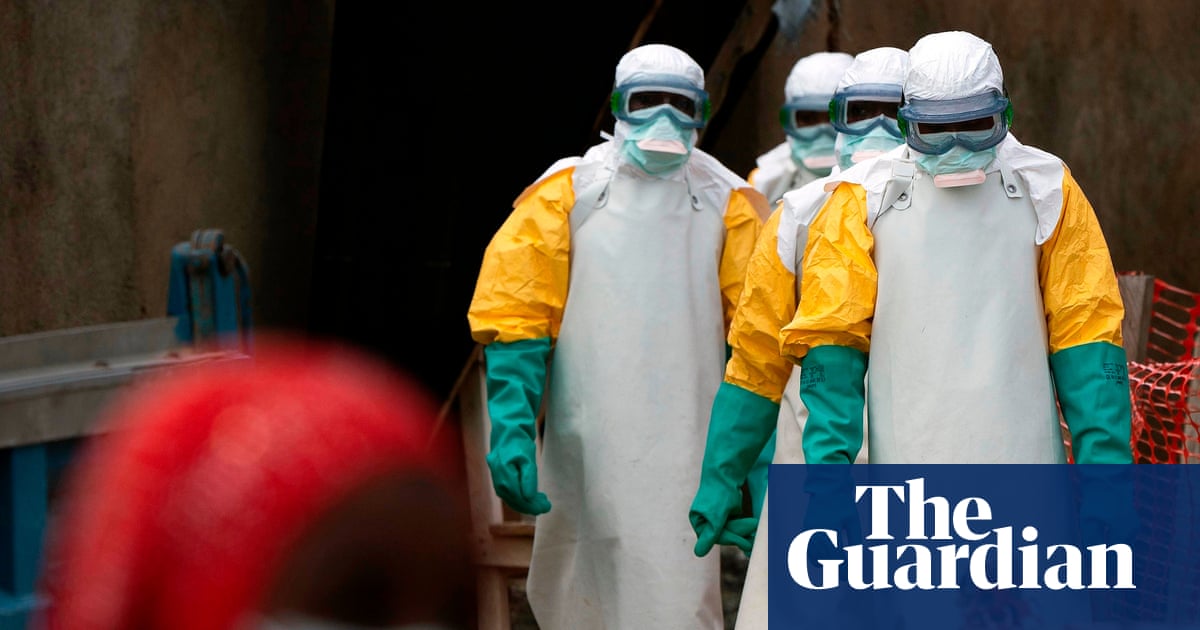
TL;DR: An Ebola outbreak in the Democratic Republic of the Congo’s Ituri province has caused 65 deaths and 246 suspected cases, health officials say. The virus detected is the Bundibugyo strain, for which no licensed vaccine exists.
Context
Health officials in the DRC reported the outbreak on Tuesday, noting that cases are concentrated in the Mongwalu and Rwampara health zones of Ituri, a province that borders Uganda and South Sudan. The region’s mining towns see constant population movement, which complicates containment efforts. Uganda’s health ministry has also confirmed a related case after a traveler from DRC died in Kampala. Historically, the Bundibugyo strain has produced a case fatality rate of roughly 25%, lower than the Zaire strain but still significant.
Key Facts
The DRC’s national laboratory identified Ebola virus in 13 of 20 samples tested, confirming the presence of the Bundibugyo strain. Since 1976 the DRC has experienced 16 Ebola outbreaks, most commonly involving the Zaire strain, for which vaccines are available. No licensed vaccine exists for Bundibugyo, and prior outbreaks of this strain occurred in 2007 and 2012. The rVSV‑ZEBOV vaccine, effective against the Zaire strain, demonstrated 97.5% efficacy in a ring‑vaccination RCT conducted in Guinea in 2015 that enrolled approximately 4,000 participants. Africa CDC’s director general, Dr Jean Kaseya, stressed the need for rapid regional coordination due to high cross‑border movement.
What It Means
Ebola spreads through direct contact with bodily fluids, and the high fatality rate of the virus raises concern for further transmission in densely populated mining areas. Without a vaccine specific to Bundibugyo, control relies on isolation, contact tracing, and safe burial practices. The Africa CDC is convening an urgent meeting with DRC, Uganda, South Sudan, WHO, and pharmaceutical companies to discuss response strategies and potential vaccine access. Past outbreaks show that timely case detection and community engagement can reduce transmission chains, but the lack of a Bundibugyo‑specific vaccine limits preventive options.
Forward-looking: Watch for updates from the Africa CDC meeting on Friday and any reports of vaccine trial deployment or cross‑border case counts in the coming weeks.
Continue reading
More in this thread
Wayne and Holmes Counties Launch Youth Mental Health Hotline
Dr. Priya Sharma
Montana Jumps Two Preparedness Tiers Amid Nation's Severe Flu and Measles Surge
Dr. Priya Sharma
Only One‑Third of US States Rank Highly Ready for Health Emergencies, Montana Shows Biggest Gain
Dr. Priya Sharma
Conversation
Reader notes
Loading comments...