Ebola Cases Near 750 in DRC as WHO Labels Risk Very High
Ebola outbreak in DRC's Ituri province hits 750 cases, 177 deaths; WHO upgrades national risk to very high. Learn the implications.
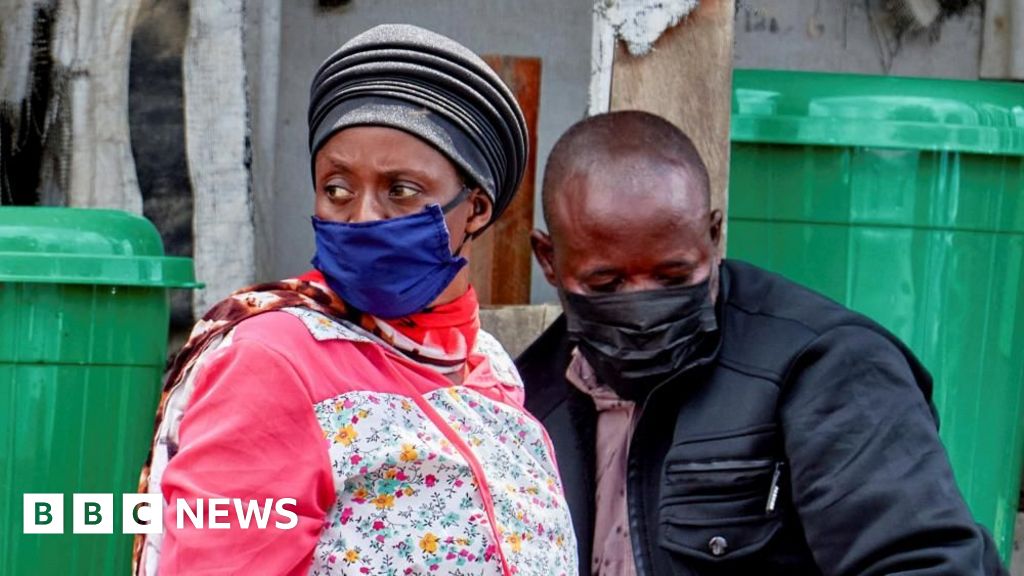
A woman and a man - both wearing face masks - mourn the death of an Ebola victim in Bunia, in the eastern Democratic Republic of Congo. Photo: 21 May 2026
*TL;DR: Ebola cases in the Democratic Republic of Congo’s Ituri province have risen to nearly 750, with 177 deaths, leading WHO to upgrade the national risk level to very high.
The World Health Organization announced Friday that the outbreak, first reported on May 15, now includes about 1,400 contacts under surveillance. The virus, identified as the Bundibugyo strain, lacks approved vaccines or specific treatments, forcing responders to rely on isolation, active case finding, and contact tracing.
Key facts - Confirmed cases: ~750 - Deaths: 177 - Contacts traced: ~1,400 - WHO risk level: upgraded from high to very high at the national level; remains high regionally and low globally.
WHO Director‑General Tedros Adhanom Ghebreyesus warned that the outbreak is “still spreading rapidly.” Dr. Anne Ancia, WHO’s representative in the DRC, described the virus as “already rampant and silently disseminating for a few weeks” before detection. The earliest suspected case involved a health worker who showed symptoms on April 24 in Bunia, the provincial capital.
What it means The rapid escalation reflects delayed detection and response. By the time WHO teams arrived on May 5, the cluster had already produced four health‑worker deaths and 80 cases. The region’s armed conflict, high population mobility, fragile health infrastructure, and widespread hunger compound containment efforts.
Without a licensed vaccine, the primary defense remains breaking chains of transmission. Each additional contact traced reduces the chance of further spread, but the sheer number of contacts underscores the logistical burden. Health workers must maintain strict protective protocols to avoid becoming vectors themselves.
Practical takeaways - Residents in Ituri should avoid non‑essential travel and report any fever or hemorrhagic symptoms immediately. - International aid groups are scaling up support for isolation units and personal protective equipment. - Communities receiving contact‑tracing visits should cooperate fully, as missed cases can reignite transmission.
Looking ahead Watch for updates on WHO’s deployment of experimental therapeutics and any progress toward vaccine trials for the Bundibugyo strain, which could shift the outbreak’s trajectory.
Continue reading
More in this thread
Conversation
Reader notes
Loading comments...