WHO Labels DRC Ebola Outbreak 'Very High' as Cases Near 750
Ebola cases in the DRC approach 750 with 177 deaths; WHO upgrades national risk to very high and intensifies response efforts.
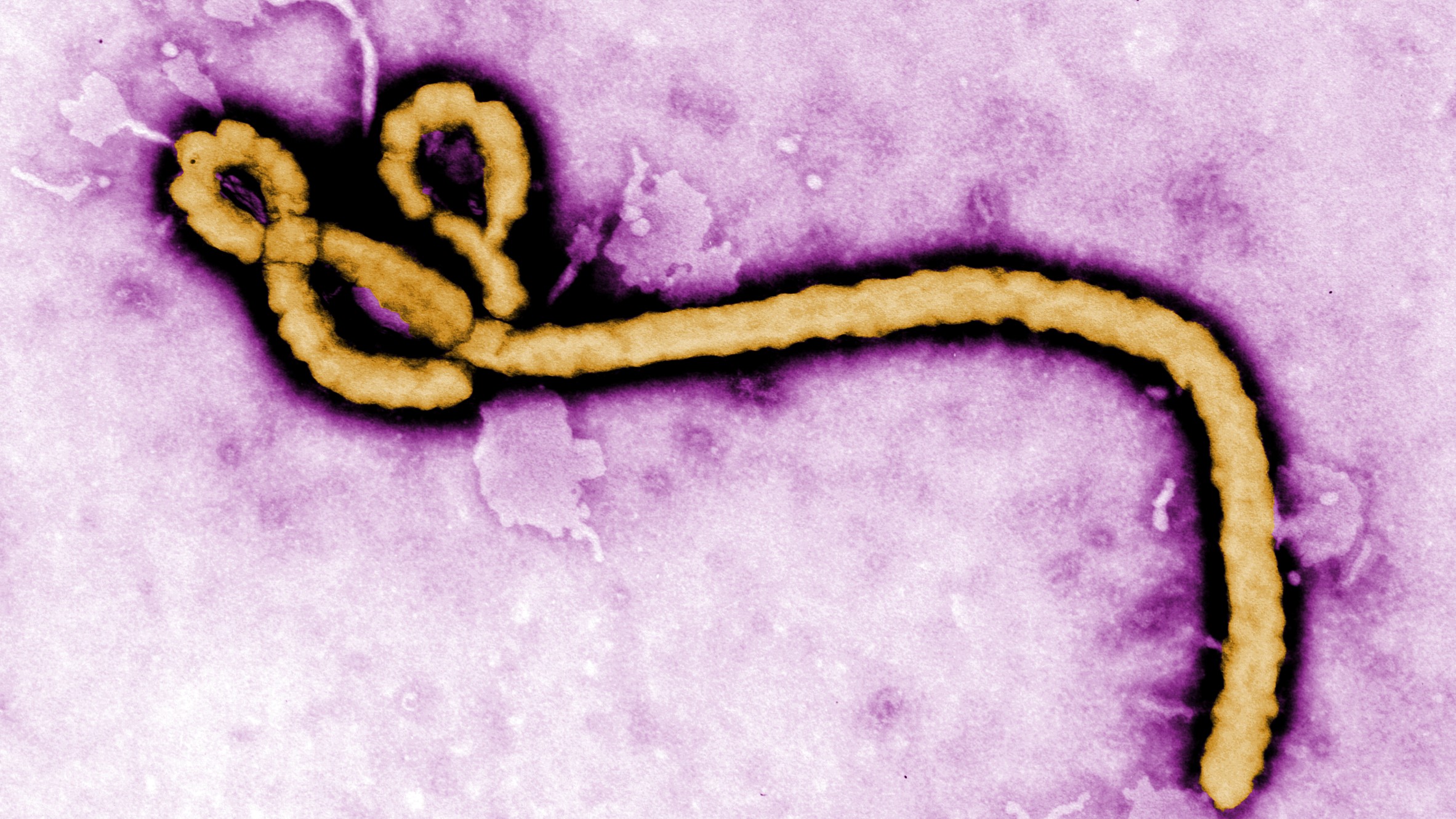
TL;DR
Ebola cases in the Democratic Republic of the Congo have risen to nearly 750 with 177 deaths, prompting WHO to raise the national risk level to very high.
Context The outbreak, driven by the Bundibugyo strain of Ebola, emerged in Ituri province and quickly became the third‑largest on record. The virus lacks approved vaccines or specific treatments, making containment reliant on rapid case detection, isolation, and contact tracing.
Key Facts - Confirmed cases total just under 750, with 177 fatalities and about 1,400 contacts under active monitoring. - WHO upgraded the national risk from high to very high, while regional risk remains high and global risk stays low. - The first suspected case appeared on 24 April in a health worker; WHO learned of a possible outbreak on 5 May after four health workers died. By the time the WHO team arrived, 80 cases had already been recorded. - The outbreak spreads in a context of armed conflict, high population mobility, fragile health infrastructure, and widespread food insecurity.
What It Means The risk elevation signals that the virus is outpacing current response measures. With no vaccine for the Bundibugyo variant, the primary tools are active case finding, immediate isolation of patients, and rigorous tracing of contacts. The 1,400 individuals under surveillance illustrate the scale of the tracing effort, but the high mobility of the region threatens to seed new clusters.
The delay between the first health‑worker infection and WHO’s formal alert allowed the virus to circulate silently for weeks. This lag underscores the need for stronger surveillance in remote health facilities, especially where staff are at high risk.
Practical takeaways for residents and aid workers include: - Report any fever or hemorrhagic symptoms immediately to local health authorities. - Avoid non‑essential travel to affected districts until containment improves. - Support community education campaigns that explain how Ebola spreads (through direct contact with bodily fluids) and how isolation can break transmission chains.
International partners are now “sprinting” to deploy additional teams, laboratory capacity, and personal protective equipment. Success will depend on securing safe corridors for health workers and maintaining uninterrupted supply lines for essential resources.
What to watch next: WHO’s weekly situation reports will reveal whether the accelerated response curtails new cases and if the national risk level can be lowered in the coming weeks.
Continue reading
More in this thread
AI‑driven drug repurposing could bring MND treatments within years
Dr. Priya Sharma
Kennedy’s firing of USPSTF vice chairs sparks AMA warning over preventive care access
Dr. Priya Sharma
40,000 Evacuated in Southern California After Hazardous Chemical Tank Shows Signs of Failure
Dr. Priya Sharma
Conversation
Reader notes
Loading comments...