DRC Ebola Outbreak Strains Hospitals as Suspected Cases Approach 750
Nearly 750 suspected Ebola cases and 177 deaths strain DRC hospitals as aid groups warn of rapid spread amid conflict, damaged facilities, and unsafe burial practices.
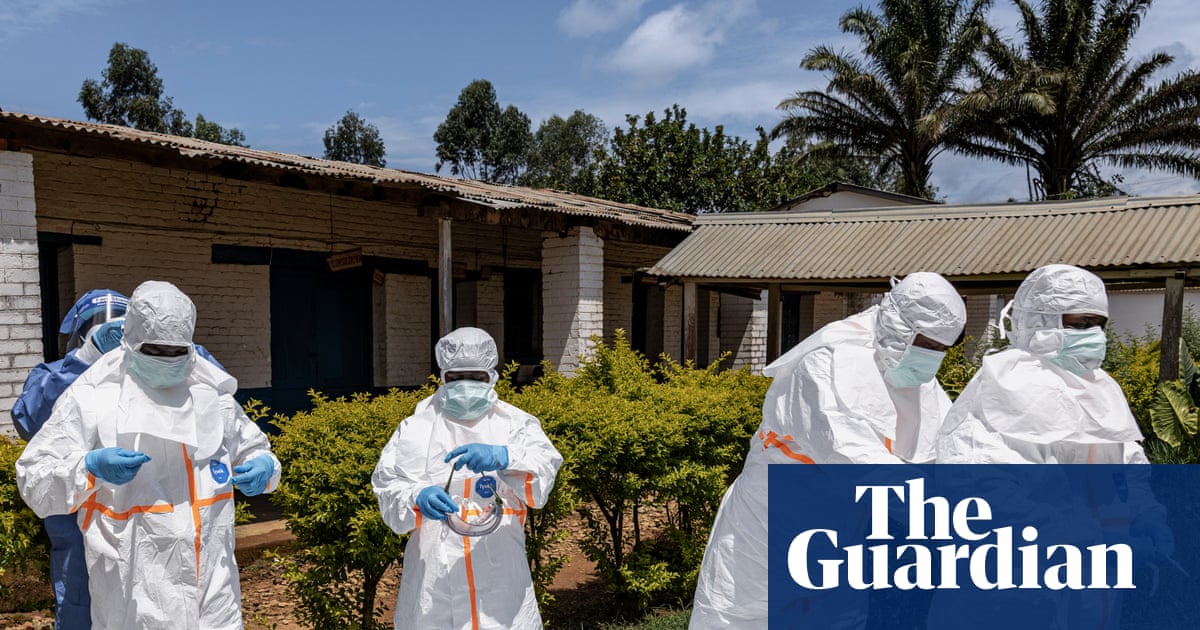
TL;DR: The DRC's 17th Ebola outbreak has generated nearly 750 suspected cases and 177 suspected deaths since April 24, pushing hospitals beyond capacity. Aid groups say the virus is spreading fast amid conflict, damaged health facilities, and burial customs that raise transmission risk.
Context: The outbreak began in Bunia, the capital of Ituri province, after a funeral where mourners touched the body of the first victim. Ebola spreads through body fluids and has a mortality rate ranging from 25% to 90%. The region faces ongoing insecurity, with attacks by armed groups and frequent displacement that strain already weak health services.
Key Facts: Rose Tchwenko, Mercy Corps' DRC country director, said the speed of spread is "deeply worrying" and urged urgent regional and global support. Trish Newport of Médecins Sans Frontières reported that every health facility her team contacted was full of suspected cases and had no isolation space. An International Committee of the Red Cross assessment of health facilities in North and South Kivu found that more than half were damaged or destroyed and nearly half reported significant staff departures since January 2025 due to conflict. In the same week, an Allied Democratic Forces attack killed at least 17 people near Mambasa, and a crowd burned a treatment centre in Rwampara after being denied a body for traditional burial. Funeral practices that involve washing and touching the dead have been linked to earlier Ebola surges, though they represent a correlation rather than proven causation. Aid budgets have been cut, notably by the Trump administration's reductions to foreign assistance, limiting the response capacity.
What It Means: With isolation wards full, patients risk delayed care and increased community transmission. Practical steps include reinforcing hand-washing with soap, avoiding direct contact with bodily fluids, and supporting safe burial teams. Observational data show that damaged facilities and staff shortages correlate with higher case numbers, but they do not prove that these factors alone cause spread; the virus's biology and human behavior remain the primary drivers. Continued monitoring of case counts, facility capacity, and security incidents will be essential to gauge whether the outbreak is contained or expands.
What to watch next: International donors' pledges for additional treatment units and the government's enforcement of the ban on funeral wakes will indicate if the response can keep pace with the virus.
Continue reading
More in this thread
Conversation
Reader notes
Loading comments...