DRC Ebola Outbreak Claims 65 Lives, 246 Suspected Cases, Bundibugyo Strain Lacks Vaccine
Health officials report 65 deaths and 246 suspected Ebola cases in DR Congo’s Ituri province, all tied to the Bundibugyo strain that lacks a licensed vaccine. Regional coordination and surveillance are underway.
TL;DR
An Ebola outbreak in the Democratic Republic of the Congo’s Ituri province has caused 65 deaths and 246 suspected cases, all linked to the Bundibugyo strain for which no vaccine is licensed. Health officials warn of cross‑border spread as people move between mining towns and neighboring countries.
Context The outbreak emerged in Ituri, a province that shares borders with Uganda and South Sudan and hosts active mining sites where workers travel frequently. Ebola spreads through direct contact with the blood, vomit, or other body fluids of infected individuals, or with contaminated surfaces such as those that people use during funeral preparations. Uganda’s health ministry confirmed a related case after a 59‑year‑old man who had traveled from DRC died in Kampala, prompting Africa CDC to call an urgent regional meeting involving DRC, Uganda, South Sudan, WHO and vaccine manufacturers.
Key Facts Officials report 65 fatalities and 246 suspected Ebola infections in Ituri so far. Laboratory testing identified the Bundibugyo subtype in 13 of 20 samples, confirming it as the causative agent; this strain surfaced previously in 2007 and 2012 but no licensed vaccine exists for it. In contrast, health officials target the Zaire strain—responsible for most past DRC outbreaks—with the rVSV‑ZEBOV vaccine, which showed 97.5 % efficacy in a ring‑vaccination RCT that enrolled over 4,000 contacts during the 2018‑2020 epidemic. The Bundibugyo outbreaks of 2007 and 2012 together resulted in fewer than 200 cases, indicating that the current cluster is already larger than those historic events.
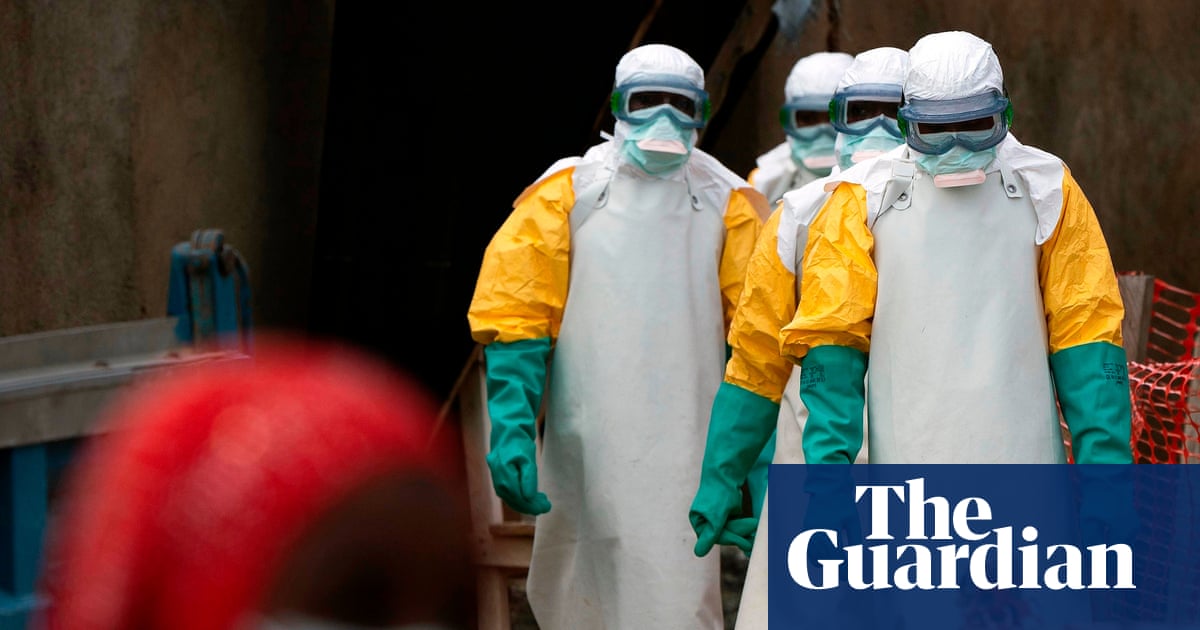
What It Means The absence of a Bundibugyo‑specific vaccine means containment relies on rapid isolation, contact tracing, and safe burial practices, all of which high population mobility makes more difficult. Health workers are using personal protective equipment and setting up treatment centers in Mongwalu and Rwampara health zones, where most cases have occurred. Readers should avoid direct contact with bodily fluids of sick individuals, seek immediate care if symptoms such as fever, vomiting, or unexplained bleeding appear, and follow local health advisories. Watch for upcoming discussions among Africa CDC, WHO, and pharmaceutical companies about accelerating vaccine research for the Bundibugyo subtype and strengthening cross‑border surveillance to detect any spillover into Uganda or South Sudan.
Continue reading
More in this thread
Wayne and Holmes Counties Launch Youth Mental Health Hotline
Dr. Priya Sharma
Montana Jumps Two Preparedness Tiers Amid Nation's Severe Flu and Measles Surge
Dr. Priya Sharma
Only One‑Third of US States Rank Highly Ready for Health Emergencies, Montana Shows Biggest Gain
Dr. Priya Sharma
Conversation
Reader notes
Loading comments...