Dong Tai Communication Uses AI to Speed Up Science Film Production After Two Decades and Five Golden Bell Awards
After 20 years and five Golden Bell Awards, Dong Tai Communication uses AI to accelerate science film production, starting with 2026’s 'Sun Tzu Jungling'.
TL;DR: Dong Tai Communication has produced nearly twenty science films over almost two decades, earning five Golden Bell Awards. For its 2026 project *Sun Tzu Jungling*, the team used prompt‑driven AI to draft combat scenes before polishing them with traditional post‑production tools.
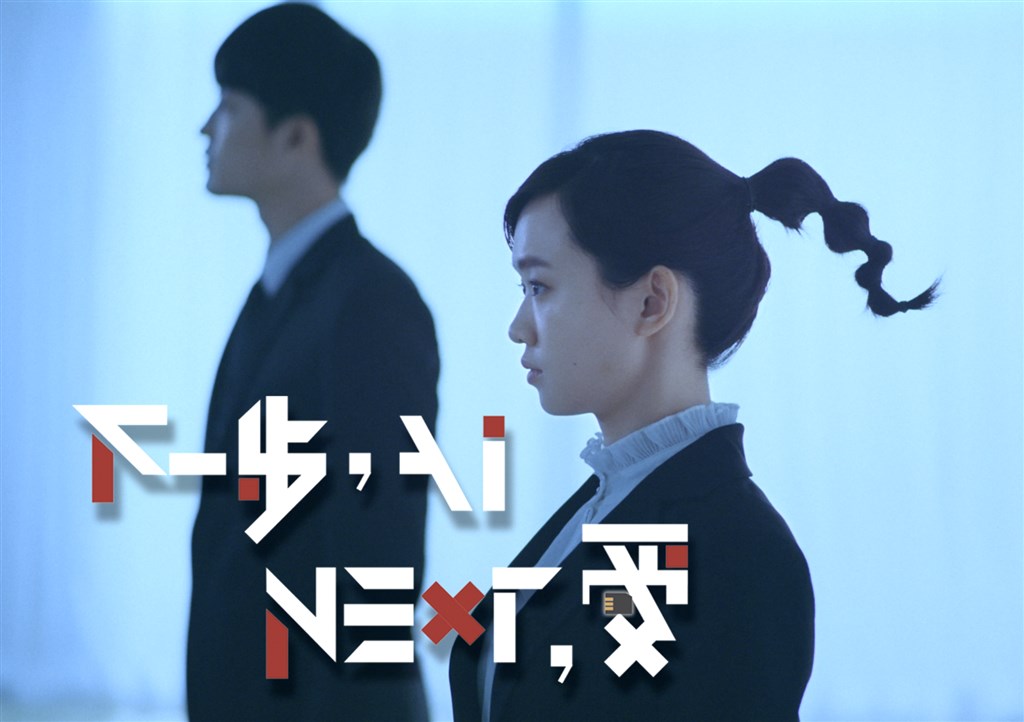
Context: In 2006 the National Science and Technology Council launched a science communication initiative that inspired Yuan Yuan to leave her television job and found Dong Tai Communication. With ongoing council grants, her team has created close to twenty documentaries that pair expert review with engaging narratives. Notable titles include the France co‑production “Hello Brain!” and the series “Next, AI,” which together illustrate the studio’s blend of rigor and storytelling.
Each film undergoes peer review by academic experts to ensure factual accuracy before animation begins. This process has helped Dong Tai earn a reputation for credible science communication that also resonates emotionally with viewers. The council’s support has been a steady factor in the studio’s two‑decade run.
Key Facts: Over almost twenty years, the team’s output totals nearly twenty science films, all backed by the National Science and Technology Council. Five of those films have won the Golden Bell Award for Best Natural Science Documentary Program, marking them as industry benchmarks. For the upcoming 2026 release *Sun Tzu Jungling*, producers employed prompt‑driven AI tools to generate detailed combat sequences quickly, then refined the outputs using standard software such as 3D MAX, Blender, and After Effects.
The AI step focused on iterating proportions, compositions, and surface details for battle scenes, a task that traditionally consumes many hours of manual work. After the AI‑generated drafts, artists applied traditional post‑production techniques to add lighting, texture, and final polish. This hybrid workflow cut production time while keeping the visual fidelity required for defense‑technology subject matter.
What It Means: By automating early visual iterations, the team can devote more effort to script development, expert verification, and narrative refinement. The approach preserves the studio’s commitment to accuracy, which remains a core differentiator in a media landscape often driven by ratings or clicks. Industry observers note that similar AI‑assisted pipelines could lower barriers for smaller science‑communication groups aiming to produce high‑quality content.
Looking ahead, the studio plans to continue releasing films that bridge science and art, with the next project expected to explore renewable energy technologies.
Continue reading
More in this thread
Conversation
Reader notes
Loading comments...