Cosy Gaming Explodes as Young Adults Turn to Virtual Home Ownership
Steam's cosy games rose from 19 to 616 titles as UK young adults, 29% still living with parents, turn to virtual home renovation for stress relief.
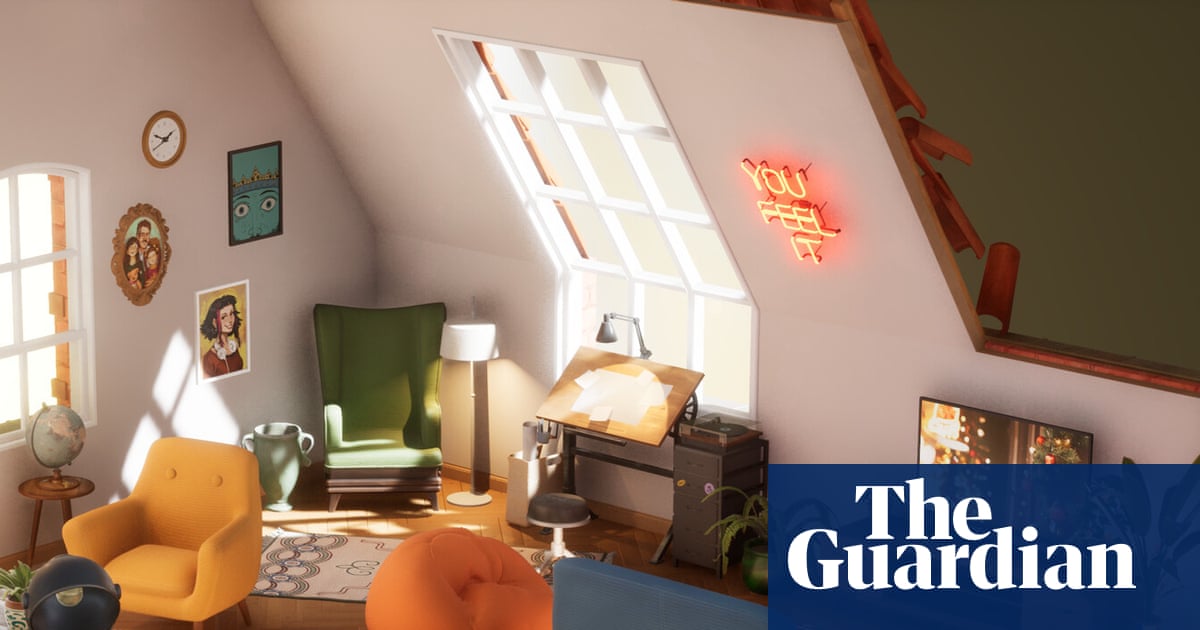
TL;DR: Steam’s cosy game catalogue jumped from 19 titles in 2020 to 616 in 2025, offering a low‑stress outlet for the 29% of UK adults aged 20‑34 who still live at home.
Context Cosy gaming, a subgenre rooted in early social simulators like *Harvest Moon* and *The Sims*, focuses on gentle, low‑stakes activities such as farming, cleaning, and decorating. Recent releases such as *Hozy* let players refurbish abandoned houses with simple controls, turning virtual home‑ownership into a soothing pastime.
Key Facts - Steam listed 19 cosy games in 2020; the count rose to 616 by 2025, a more than thirtyfold increase. - In the United Kingdom, 29% of adults aged 20‑34 still share a roof with their parents, reflecting a housing market that remains out of reach for many. - Players describe cosy games as a calm, predictable sanctuary that helps manage stress.
What It Means The surge in cosy titles aligns with a generation confronting high rent, limited mortgage options, and prolonged dependence on family homes. Virtual renovation offers a sense of control absent from real‑world housing struggles. Games like *MakeRoom*, *Unbox the Room* and *Renovation Plan* let players paint walls, arrange furniture, and restore properties without the financial risk or maintenance headaches of actual ownership.
For many young adults, the appeal lies in the reward loop: completing a room makeover triggers a clear, satisfying feedback, reinforcing a feeling of accomplishment. This feedback loop compensates for the uncertainty of the job market and the emotional toll of delayed independence.
Industry analysts note that the genre’s growth is not merely a fad but a response to broader socioeconomic pressures. As developers expand the toolbox—adding more detailed customization, realistic lighting, and even virtual economies—players can experiment with design concepts that might later inform real‑world projects.
The trend also hints at a shifting definition of “home.” While traditional ownership remains a milestone, virtual ownership provides an accessible alternative for those unable to purchase property. As the housing crunch persists, the line between digital and physical living spaces may continue to blur.
Looking ahead, watch for new titles that integrate augmented reality, allowing players to overlay virtual renovations onto their actual living spaces, and for data on how these games influence real‑world home‑improvement decisions.
Continue reading
More in this thread
Conversation
Reader notes
Loading comments...