Divine Relaunches Vine Library, Bans AI‑Generated Clips
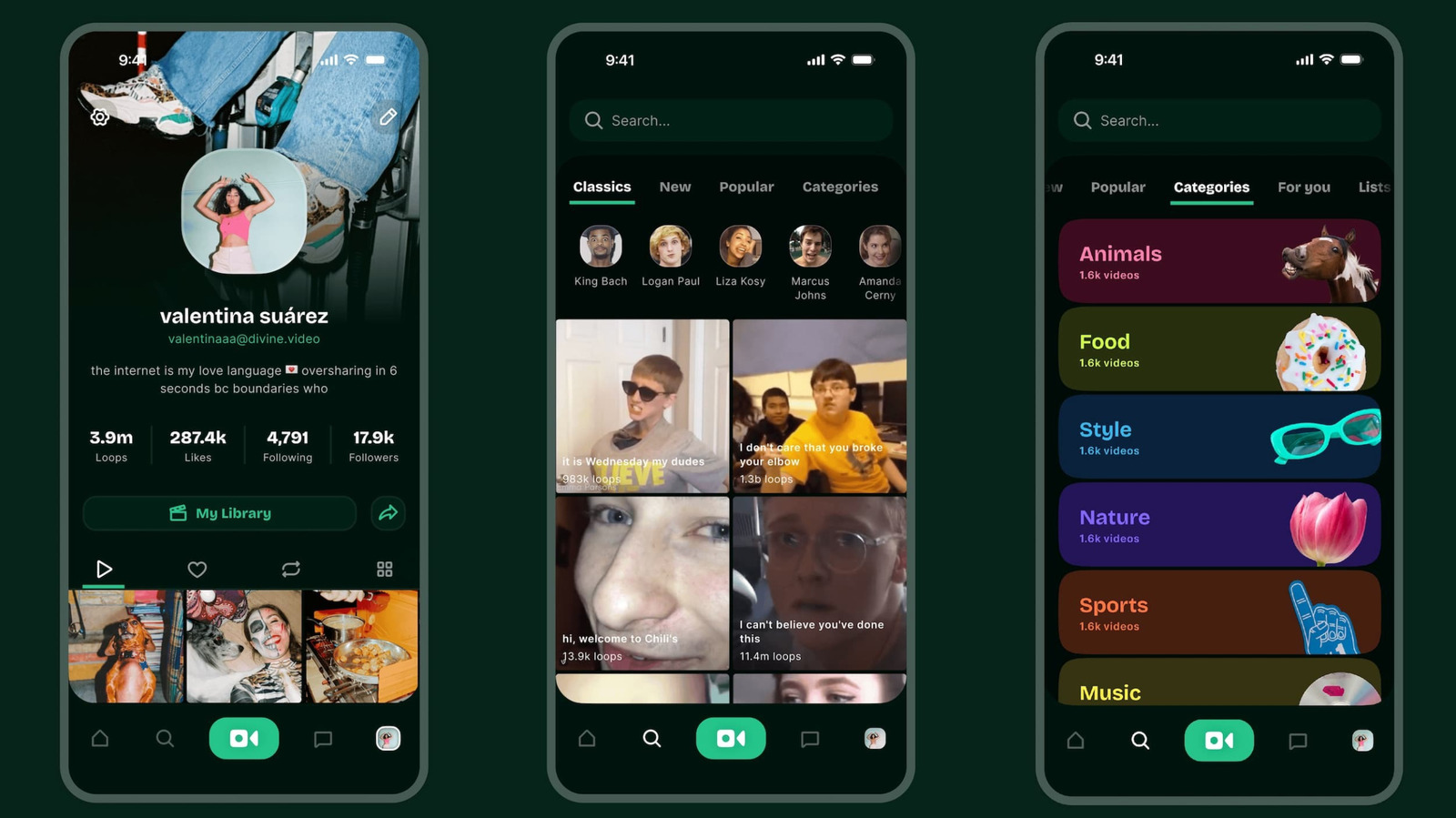
Divine relaunches with 500,000 classic Vine videos and a human‑only rule to combat AI‑generated clips, aiming to restore creative control.
TL;DR
Divine brings back 500,000 original Vine clips and bans AI‑generated content, promising a human‑only short‑form video experience.
Context Vine pioneered six‑second looping videos in 2013, reaching 100 million monthly users before Twitter (now X) shut it down in 2017. The format inspired memes, comedy sketches and launched several internet personalities. Today, short‑form video dominates platforms such as TikTok, Instagram Reels and YouTube Shorts, which together generate billions of daily views.
Key Facts Divine, funded by Jack Dorsey’s nonprofit and the open‑source backer Other Stuff, has opened to the public with a library of 500,000 videos sourced from the original Vine archive. New uploads must stay within the six‑second limit and pass a human‑verification step that either records directly in the app or confirms creator identity. The platform’s slogan, “Creative power belongs in human hands,” reflects its stance against the surge of low‑quality AI‑generated clips that now occupy more than 20 % of videos shown to new YouTube users.
Evan Henshaw‑Plath, known online as Rabble and a former Twitter employee, leads the project. He describes Divine as an antidote to the “AI slop” crowding modern feeds and a movement to return control to creators. Early testing in November featured 100,000 classic vines; the full launch now expands that catalog while inviting fresh human‑made content.
What It Means Divine’s human‑only policy directly challenges the algorithmic flood of AI‑generated media that platforms struggle to filter. By requiring verification, the app aims to preserve the creative spontaneity that defined Vine’s early years. Success will depend on attracting creators away from entrenched rivals and convincing users that a curated, AI‑free feed offers a distinct value. Watch how Divine’s growth metrics compare to TikTok and YouTube Shorts in the coming months, and whether its anti‑AI stance reshapes moderation standards across short‑form video services.
Continue reading
More in this thread
Musk’s Threat to OpenAI Leaders Mirrors Twitter ‘World War III’ Rhetoric in Court
Alex Mercer
Musk’s Threat to Make Altman and Brockman ‘Most Hated Men in America’ Resurfaces as OpenAI Trial Begins
Alex Mercer
Wizard and Mastercard Link AI Chat Directly to Checkout, Targeting 90% Non‑Shoppable Conversations
Alex Mercer
Conversation
Reader notes
Loading comments...