Colombia summit yields fossil‑fuel phase‑out roadmaps amid Iran‑war oil shock
Fifty‑seven nations at a Colombia‑hosted summit agreed to draft national fossil‑fuel exit plans and overhaul global finance, citing IMF subsidy data and BP profit spikes from the Iran‑related oil shock.
TL;DR
Fifty‑seven nations meeting in Colombia pledged to draft national plans to quit fossil fuels and overhaul global finance, as IMF data shows subsidies top $7 trillion and BP’s earnings jump amid Iran‑war oil shock.
Context
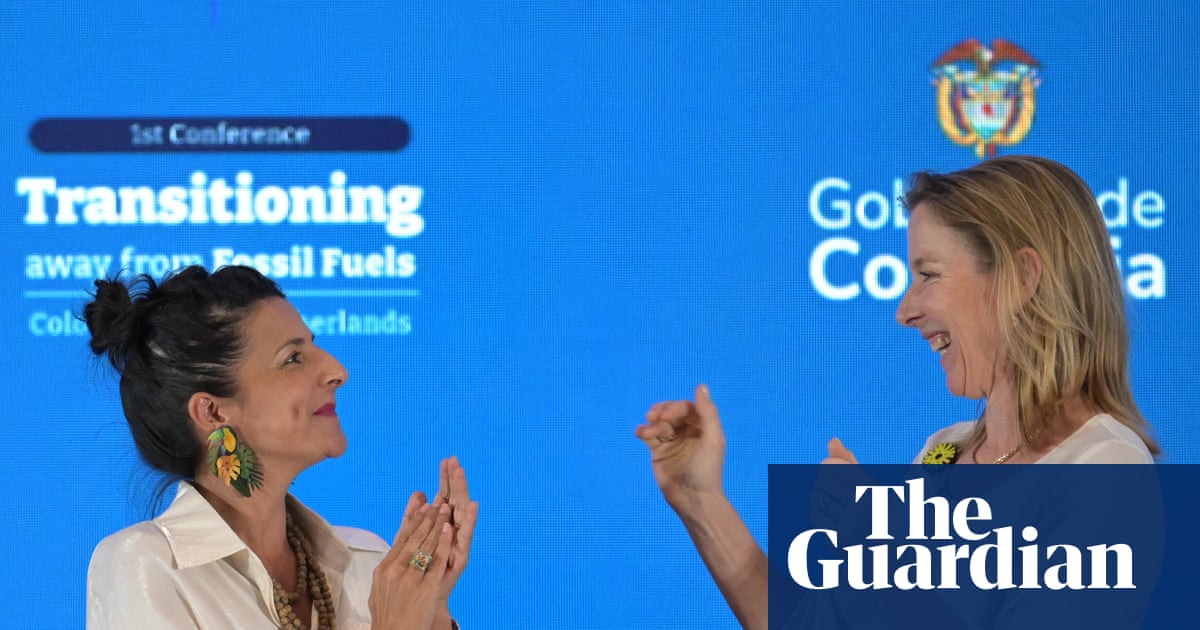
The First Conference on Transitioning Away from Fossil Fuels ran from April 24 to April 29 in Santa Marta, hosted by Colombia together with the Netherlands. Delegates grew tired of the UN climate talks’ consensus rule, which lets petrostates water down any mention of ending fossil fuel use. By meeting outside the COP process, the summit sought to create a space where a clear phase‑out goal could be agreed without veto. Fifty‑seven countries attended, representing more than half of global economic output and including major producers such as Angola, Brazil and Nigeria.
Civil society groups, Indigenous leaders and scientists were given formal speaking slots, a departure from the usual observer status at COPs. Their input shaped the language on equity and just transition, ensuring that the roadmaps must address livelihood impacts for workers dependent on fossil fuel industries.
Key Facts
- The fifty‑seven states agreed to develop national roadmaps that map out how each will end fossil‑fuel extraction and consumption, and to reform international finance to support that shift. - According to the IMF’s 2024 assessment, explicit fossil‑fuel subsidies—direct budget outlays by governments—totaled $725 billion, while implicit subsidies—costs of climate damage, health impacts and unpaid environmental externalities—reached $6.7 trillion, equal to 5.8 % of worldwide GDP. - Since the onset of the Iran‑related conflict that disrupted oil flows through the Strait of Hormuz, BP’s profits have more than doubled, highlighting the windfall gains accruing to oil firms amid the current price shock.
What It Means
The roadmaps are meant to be more detailed than the nationally determined contributions that countries submit at COPs, specifying target years for ending coal, oil and gas use and outlining investment pathways for renewables. By linking the plans to financial reform, the summit aims to redirect a portion of the $7 trillion in subsidies toward clean‑energy projects and to ease debt burdens that prevent many Global South nations from funding transitions. Success will depend on transparent tracking, enforceable timelines, and the ability to resist lobbying from entrenched fossil‑fuel interests. If the roadmaps are credible, they could unlock private capital and reshape international lending practices.
To increase credibility, the summit proposed a voluntary peer‑review process where countries would submit progress reports to a joint secretariat every six months. The secretariat would track milestones such as subsidy reallocation amounts and renewable capacity additions, publishing results in an open dashboard.
Watch for whether the participating nations publish draft roadmaps before the next UN climate summit and how finance ministers respond to the call for subsidy reallocation.
Continue reading
More in this thread
57 Nations Meet in Colombia to Map Fossil‑Fuel Phase‑Out as IMF Flags $7 Trillion in Subsidies
Dr. Leo Tanaka
California Snowpack Drops to 18% of Average as Western Drought Expands
Dr. Leo Tanaka
Northern Gannet Eggs Show 74% Drop in Toxic Pfos After Regulation
Dr. Leo Tanaka
Conversation
Reader notes
Loading comments...