Northern Gannet Eggs Show 74% Drop in Toxic Pfos After Regulation
Researchers report a 74% decline in toxic Pfos in northern gannet eggs from 100 ppb to 26 ppb by 2024, crediting 2015 phase‑out agreements and noting ongoing challenges with replacement chemicals.
TL;DR Northern gannet eggs from Bonaventure Island show a 74% drop in the toxic Pfos chemical, falling from 100 ppb in the peak years to 26 ppb by 2024, according to a peer‑reviewed study. The trend mirrors nationwide phase‑out efforts.
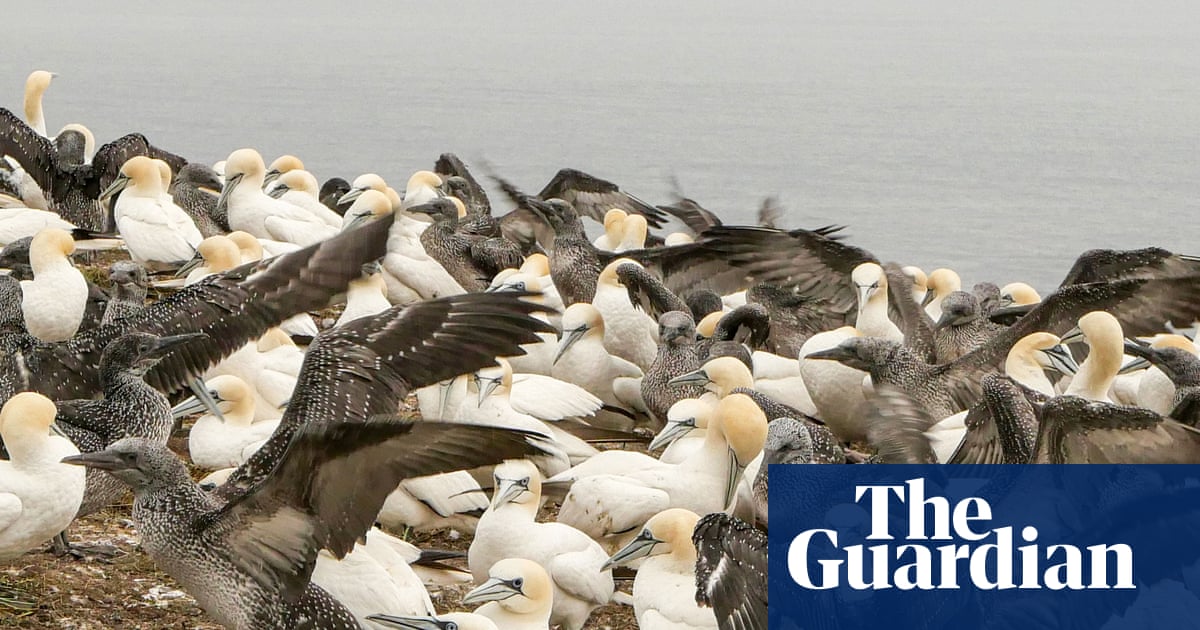
Context Researchers from Environment and Climate Change Canada measured Pfas concentrations in eggs collected over a 55‑year span. The samples come from North America’s largest northern gannet colony on Bonaventure Island in the St Lawrence Seaway basin. They used high‑resolution mass spectrometry to quantify each Pfas compound in nanograms per gram of egg yolk.
Key Facts – Pfos Pfos levels peaked at about 100 parts per billion and declined to 26 ppb by 2024, a 74% reduction. The drop became evident around 2005 and continued steadily through the 2010s. By 2024, concentrations were below the estimated toxicological threshold for northern gannets.
Key Facts – Other Compounds Pfoa fell roughly 40% over the same period, while PFHxS dropped from 0.69 to 0.19 ppb, a 72% decline. PFHxS followed a similar downward trajectory to Pfos, falling consistently since the early 2000s. Pfoa showed a more variable pattern, with a modest decline followed by a slight uptick after 2018.
Key Facts – Regulation & Expert Comment These trends match the 2015 agreement in which major chemical makers committed with the US EPA to phase out Pfos and Pfoa. The agreement covered manufacturers responsible for over 80% of global Pfos production. Raphael Lavoie, an ecotoxicologist with Environment and Climate Change Canada, said the data illustrate that regulations are having a good effect on Pfas levels.
What It Means The decline shows that regulatory actions can lower persistent pollutants in top‑predator species, reducing ecotoxicological risk. Lower Pfos levels in eggs suggest reduced exposure for chicks during critical development stages. This improvement supports the broader goal of protecting aquatic food webs from long‑lasting chemicals.
What It Means – Caveats Manufacturers have shifted to newer, shorter‑chain Pfas that are harder to detect in bird eggs and may still pose environmental hazards. Ongoing research is needed to determine whether these alternatives accumulate in other wildlife tissues.
What to watch next Scientists will track the accumulation of replacement Pfas in seabird eggs and evaluate whether further restrictions are required to curb long‑term contamination.
Continue reading
More in this thread
Conversation
Reader notes
Loading comments...