Colombia‑Hosted ‘Coalition of the Willing’ Brings 54 Nations Together to Map Fossil‑Fuel Exit While Top Emitters Stay Away
Colombia hosts 54 governments for a unique conference mapping global fossil fuel transition pathways. The 'coalition of the willing' seeks actionable plans despite top emitters' absence.
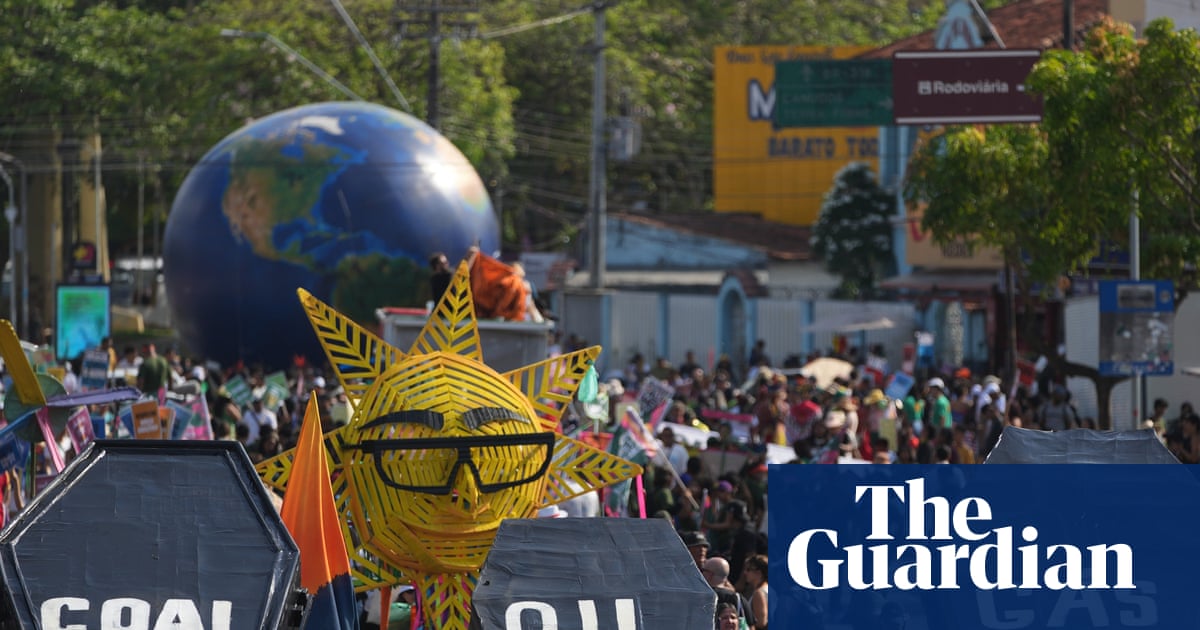
Fifty-four governments convened in Colombia to develop a roadmap for transitioning away from fossil fuels, notably without participation from major global emitters.
The world's first "Transitioning Away from Fossil Fuels" conference commenced in Santa Marta, Colombia, co-hosted by Colombia and the Netherlands. This event, running from April 24 to 29, aims to chart new pathways for powering the world with low-carbon energy sources. The decision to hold this independent conference follows frustrations at UN climate summits, where consensus requirements often slow progress on direct fossil fuel phase-out plans.
This meeting convenes a "coalition of the willing," stepping outside the typical UN Framework Convention on Climate Change (UNFCCC) process. Previous UN climate conferences, known as COPs, achieved a commitment to "transition away from fossil fuels" only in 2023 at COP28, but failed to establish a detailed timetable or blueprint.
Fifty-four governments are participating, collectively representing approximately one-fifth of global fossil-fuel production and one-third of global demand. These nations include EU member states, the UK, and numerous developing countries, alongside significant fossil fuel producers like Brazil, Mexico, and Canada. Colombia's Environment Minister, Irene Vélez, clarified the conference's intent: it provides a forum exclusively for countries committed to moving away from fossil fuels, explicitly excluding those hesitant or opposing such a shift.
Recent data highlights an accelerating shift in global energy generation. Global solar power generation increased by approximately one-third last year, according to analysis from Ember, an energy think tank. During the same period, fossil-fuel generation levels remained stable, indicating growth in renewable capacity without a proportional increase in overall energy demand.
The participation of countries responsible for a substantial portion of global fossil fuel production and demand underscores the conference's potential to influence energy policy. Discussions are concentrating on strategies for reducing economic reliance on fossil fuels, particularly for developing nations. Securing finance for these transitions and addressing debt relief are critical components of the agenda. The talks also address strategies for reducing fossil fuel demand worldwide.
The absence of several major greenhouse gas emitters, including China, India, the United States, and Russia, shapes the conference's scope. While this limits immediate global consensus, it allows a dedicated group to develop detailed, actionable plans without the broader political hurdles of larger international forums. The significant increase in solar power generation demonstrates the technical and economic feasibility of low-carbon energy transitions.
The Santa Marta conference marks an attempt to accelerate concrete action beyond previous global agreements. Outcomes will clarify how this coalition plans to operationalize its commitments. Observers will watch for specific financing mechanisms and tangible policy proposals emerging from these discussions.
Continue reading
More in this thread
India’s Binding Carbon Credit Scheme Drives Demand for CSE’s Carbon Accounting Training
Dr. Leo Tanaka
UK to Include International Aviation and Shipping Emissions in Carbon Budgets Starting 2033
Dr. Leo Tanaka
UK to Count International Aviation and Shipping Emissions in Carbon Budgets Starting 2033
Dr. Leo Tanaka
Conversation
Reader notes
Loading comments...