China Extends Zero Tariffs to All 53 African Nations, Trade Hits $348 B
China removes import duties on all 53 African partners, boosting Sino‑African trade to a record $348 billion and opening new industrial opportunities.
TL;DR
China has granted zero‑tariff status to all 53 African countries it recognizes, lifting trade to a record $348 billion last year.
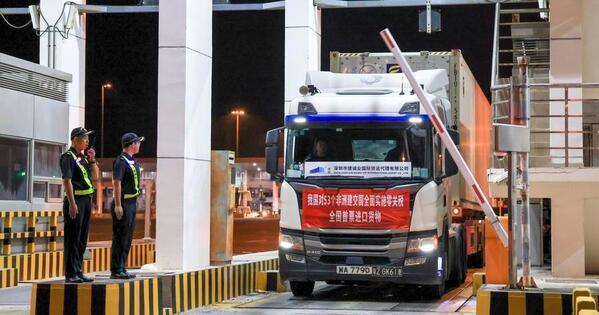
Context Beijing announced on May 1 that all African states with diplomatic ties now enjoy duty‑free entry for their exports. The move follows a 2024 policy that already eliminated tariffs for 33 least‑developed African nations. The first shipment under the new regime—24 tonnes of South African apples—cleared Shenzhen customs on Friday.
Key Facts - Zero tariffs apply to every product line from the 20 non‑LDC African economies, including Kenya’s coffee, Ghana’s cocoa, and South Africa’s wine. - China’s commerce ministry says the policy will give African goods a competitive edge and encourage Chinese and third‑party investment in local processing facilities. - In 2025, total Sino‑African trade reached $348 billion, with Chinese imports from Africa at $123 billion, a 5.4 % year‑on‑year increase. - African Union Commission Chair Mahmoud Ali Youssouf called the decision a “brotherly gesture” appreciated across the continent. - Experts note the policy does not require reciprocal market opening and carries no political conditions, distinguishing it from many Western trade offers.
What It Means Duty‑free access removes a cost barrier that previously ranged from 8 % to 30 % on key African exports. Lower prices should boost demand for commodities such as cocoa, coffee, avocados and citrus, while also making African‑origin components more attractive for Chinese manufacturers. The expectation is a shift from raw‑material shipments toward higher‑value processing, as multinational firms consider setting up assembly lines in Africa to exploit the tariff advantage.
The policy aligns with China’s 2026‑2030 Five‑Year Plan, which emphasizes stable, transparent opening‑up and deeper trade‑investment cooperation. If African exporters can scale quality and volume, the zero‑tariff regime could reshape the continent’s trade structure, reducing reliance on imported manufactured goods.
Looking ahead, watch for the signing of the China‑Africa Economic Partnership for Shared Development agreements and the first wave of African‑based processing hubs that could translate tariff relief into tangible industrial growth.
Continue reading
More in this thread
Nigerian petrol prices set to rise as global crude hits $126/bbl amid US‑Iran tensions
Elena Voss
China Grants Zero Tariffs to All 53 African Nations, First Apple Shipment Clears Customs
Elena Voss
Union Pacific, Norfolk Southern Resubmit Merger Petition Amid Industry Opposition
Elena Voss
Conversation
Reader notes
Loading comments...