Canandaigua Clears $97.8M Budget, Prattsburgh Fails, North Rose‑Wolcott Wins by 14 Votes
Canandaigua voters backed a $97.8M school budget, Prattsburgh's proposal was rejected, and North Rose‑Wolcott passed its $39.08M budget by 14 votes.
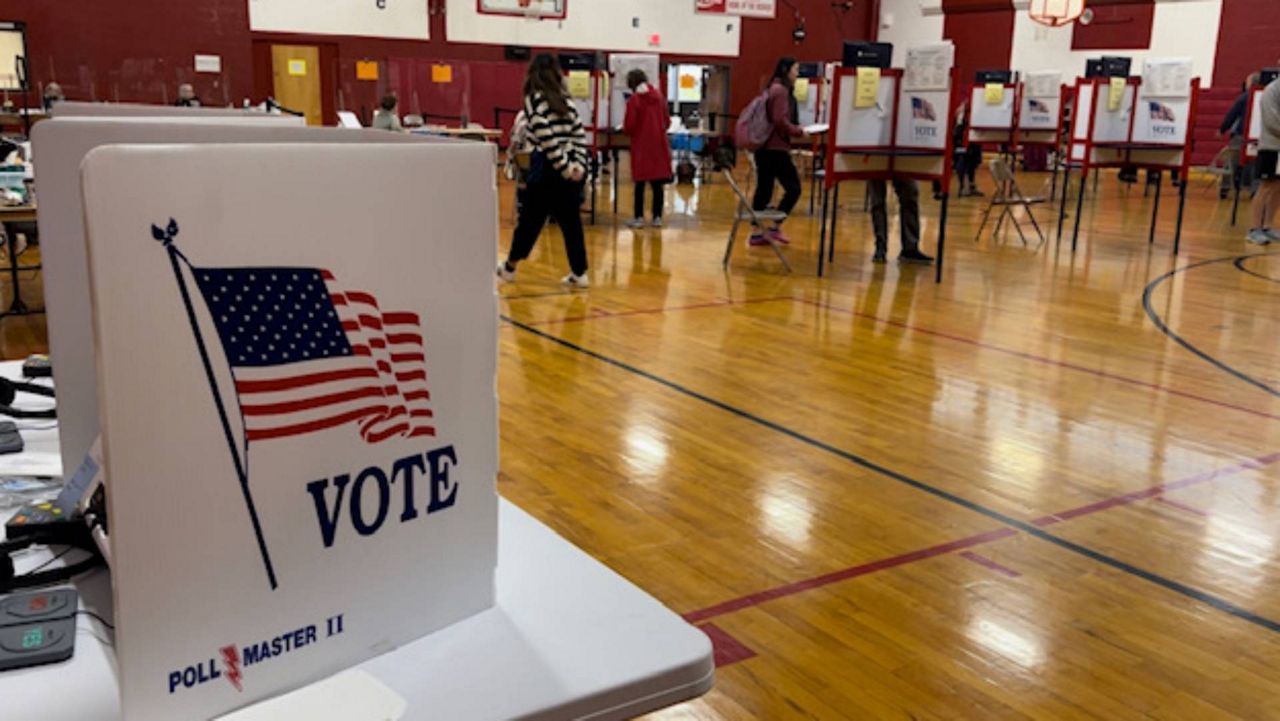
*TL;DR: Canandaigua voters backed a $97.8 million school budget with 70% support, Prattsburgh’s budget was rejected for lacking the required 60% approval, and North Rose‑Wolcott passed its $39.08 million budget by a 14‑vote margin.
Context Tuesday’s ballot covered school budgets and board elections across dozens of New York districts. Voters decide whether to fund operations, capital projects, and transportation for the upcoming 2026‑2027 school year. Each district sets its own approval threshold; most require a simple majority, while Prattsburgh demands at least 60% of votes in favor.
Key Facts - In Canandaigua, 963 voted for and 408 against the $97.8 million budget, delivering 70% approval. The same ballot also approved new school buses and increased library funding. - Prattsburgh’s budget received 303 yes votes and 213 no votes, falling short of the 60% supermajority needed for passage. - North Rose‑Wolcott’s $39,080,000 budget passed by a razor‑thin 224‑210 vote, a margin of just 14 votes. Voters also approved a $925,000 bus purchase from the district’s capital reserve. - Across the region, districts such as Auburn, Bloomfield, Dundee, and Geneva also reported budget approvals, often alongside library or transportation propositions.
What It Means Canandaigua’s decisive win secures funding for staff salaries, facility maintenance, and new transportation assets, reinforcing its fiscal stability for the next school year. Prattsburgh’s defeat signals community concerns about spending levels or the proposed budget’s composition; the district must revise its proposal and seek a new vote before the fiscal year begins. North Rose‑Wolcott’s narrow victory highlights the growing polarization over school spending, suggesting future budgets may face tighter scrutiny and possibly more contested propositions.
Stakeholders in all three districts will watch upcoming board meetings for how the approved funds are allocated and whether any supplemental measures—such as additional bus purchases or library levies—will be introduced. The next round of school budget votes in neighboring districts is slated for the fall, offering a barometer for regional attitudes toward education financing.
Continue reading
More in this thread
Conversation
Reader notes
Loading comments...