Boundary Redraw Shifts Edinburgh Southern to SNP in Notional Vote
Independent boundary commission changes for Scottish Parliament constituencies indicate Edinburgh Southern would have been an SNP seat in 2021 under new lines. Population shifts drive electoral map updates.
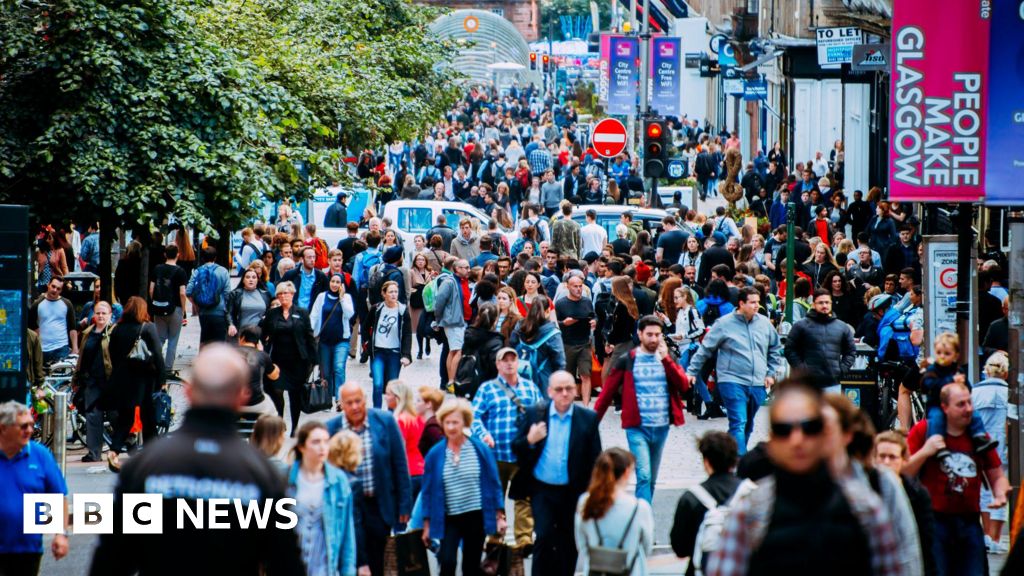
A picture of a crowded street in central Glasgow, with hundreds of pedestrians walking both towards and away from the camera. Green trees are visible on the left of frame, the entrance to a subway station is at the far end of the street in the middle, and a "People Make Glasgow" banner adorns a lamp post to the right.
TL;DR
Independent boundary changes for Scottish Parliament constituencies reveal a significant shift in Edinburgh Southern, which would have voted SNP in 2021 under the new lines. These adjustments reflect Scotland's changing demographics and aim to equalize voter representation.
The independent boundary commission concluded its third review of Holyrood’s constituencies and regions. This process ensures each Member of the Scottish Parliament (MSP) represents roughly 60,000 voters. Scotland's population is shifting, primarily moving east along the central belt, necessitating these regular electoral map adjustments.
Population movements show distinct trends across the country. The Inverclyde constituency, located on the west coast, experienced a nearly 9 percent population decline between 1998 and 2021. This required its boundaries to expand eastward, incorporating areas like Port Glasgow and Kilmacolm to maintain voter numbers. Such expansions ensure the local MSP represents a similar number of constituents as colleagues elsewhere.
In contrast, the East Lothian constituency, a growing commuter hub for Edinburgh, now contains over 88,000 voters. This number significantly exceeds the target of approximately 60,000 per seat. Consequently, East Lothian has shed towns like Musselburgh and Tranent in recent boundary reviews, with Tranent forming part of a new seat with eastern Edinburgh. The constituency also received a new name: East Lothian Coast and Lammermuirs.
Further complicating the electoral map are vast, sparsely populated areas like the Highlands. While the overall region is large, its capital, Inverness, is growing. This led to Inverness and Nairn losing Grantown-on-Spey, which moved into the already vast Skye, Badenoch and Lochaber constituency. This change balances voter numbers but significantly increases the geographic size of the latter seat.
Under the newly drawn boundaries, a notional 2021 election result for Edinburgh Southern shows it would have been won by the SNP. A notional result calculates how a previous election would have unfolded if the new boundaries were already in place. This specific change reclassifies the seat's political leaning from Labour to SNP.
This redrawing means if Labour retains Edinburgh Southern in the next election, it will count as a “gain” against the notional SNP win. Conversely, an SNP victory would register as a “hold” for the party. Such shifts significantly affect campaigning strategies for all parties in the capital. The changes also impact other Edinburgh seats. Edinburgh Central now shows Labour leapfrogging the Conservatives into second place, while Edinburgh Northern becomes a more attractive prospect for the Lib Dems.
These boundary adjustments reshape the electoral landscape and challenge established political dynamics. Watch how parties adapt their campaigns to the new constituency lines in the upcoming Scottish Parliament election.
Continue reading
More in this thread
Merz Links Climate Policy to Global Security, Pledges Finance Ahead of COP31 in Turkey
Nadia Okafor
Michigan's Renewable Energy Mandates Linked to 70% of Electricity Price Hikes, Study Reports
Nadia Okafor
West Bank Voters Skeptical as Local Elections See Record Independent Candidates and Stalled PA Pay
Nadia Okafor
Conversation
Reader notes
Loading comments...