Boeing Lands $2.3bn Pentagon Boost as Lockheed Profits Slip and RTX Wins $3.7bn Ukraine Missile Deal
Boeing receives $2.3bn Pentagon boost as Lockheed Martin's Q1 profits fall. RTX secures $3.7bn Ukraine missile contract amid high demand and supply issues.
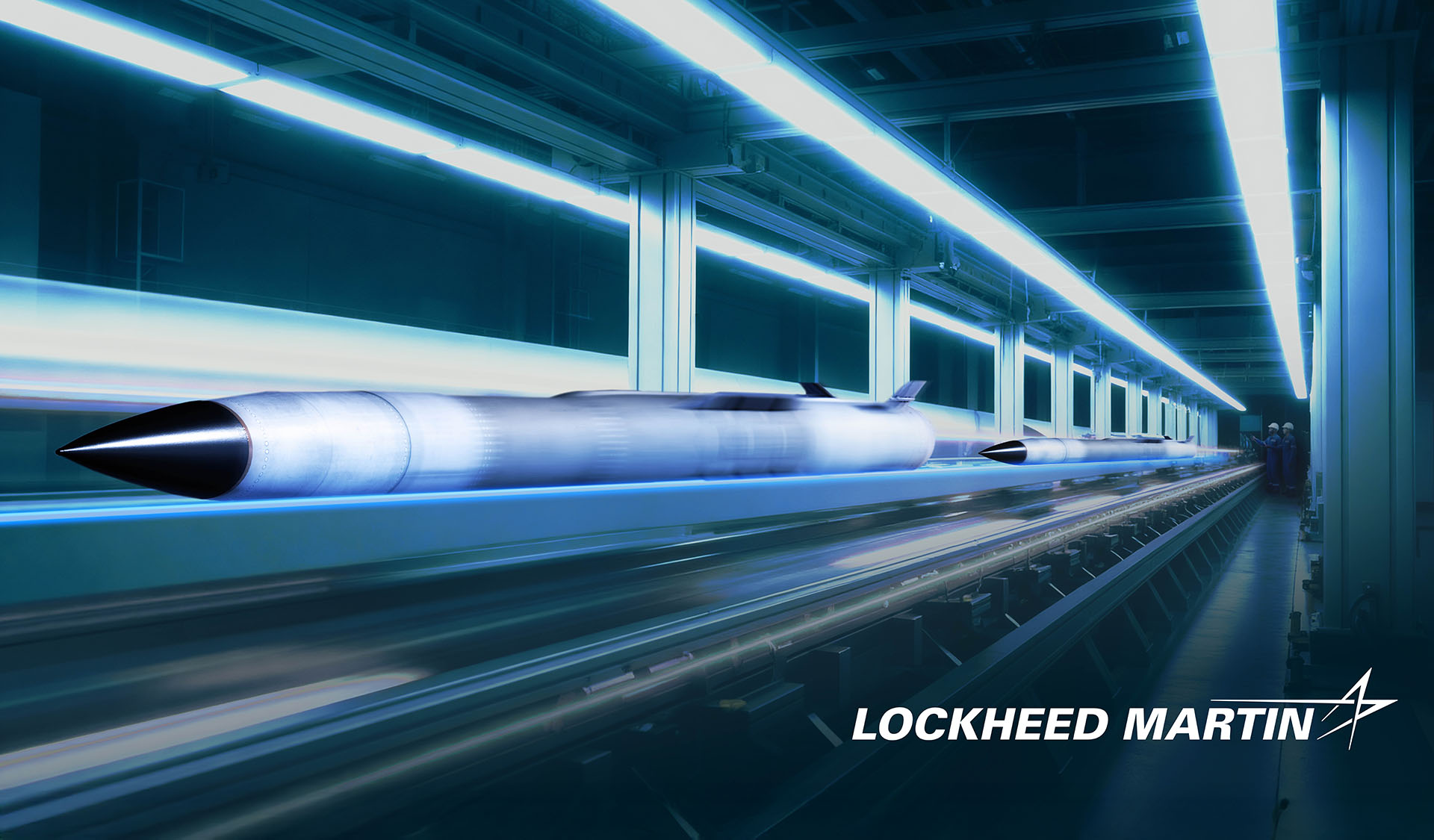
Boeing added $2.3 billion to a Pentagon contract, while Lockheed Martin's first-quarter net earnings decreased. RTX secured a $3.7 billion missile deal for Ukraine.
Global conflicts are driving a significant surge in demand for weapons and aircraft, prompting the US Department of Defense to accelerate efforts to replenish its stockpiles. This environment directly influences the financial performance of major American defense contractors. Despite this high demand, many continue to grapple with underlying supply chain disruptions and production bottlenecks, presenting a mixed financial picture across the sector.
Boeing secured a $2.3 billion contract addition from the Pentagon in late March. This new funding augmented an existing $4.9 billion deal. The company reported a first-quarter loss of $7 million, marking a substantial reduction from the $31 million loss reported a year earlier. Defense and space earnings specifically increased by 50 percent, reaching $233 million for the quarter, highlighting growth in this segment.
Lockheed Martin's first-quarter net earnings for 2026 decreased to $1.5 billion, down from $1.7 billion in the same period last year. Company officials attributed this decline partly to delays in F-16 fighter jet development. Supply chain strains also impacted production of C-130 transport aircraft, further contributing to the lower earnings.
RTX, the parent company of Raytheon, won a substantial $3.7 billion contract in April. This agreement provides Patriot GEM-T interceptor missiles to Ukraine. The deal contributed to a 9 percent surge in RTX's first-quarter revenue, which climbed to $22.08 billion, reflecting robust demand for its missile systems.
The defense sector operates under dual pressures: sustained demand from geopolitical events and ongoing operational hurdles. While companies like Boeing leverage new defense spending to improve their financial outlook, others, such as Lockheed Martin, face specific program issues like development delays and supply chain pressures that can impact profitability. RTX's substantial contract win underscores the direct influence of international defense requirements on industry revenue streams and reflects a key area of global military need.
Future financial reports will reveal how these leading contractors manage their expanding order backlogs alongside persistent global supply chain and manufacturing constraints.
Continue reading
More in this thread
Egypt’s 100‑Million Population Drives Post‑2010 Economic Recovery as Rome, Georgia Embraces Sustainable Engineering
Elena Voss
Scientist Turned Silk Farmer Highlights India's Tech-Driven Sericulture Boom
Elena Voss
USA Rare Earth Announces Board Departures and Merger Plans Ahead of June Annual Meeting
Elena Voss
Conversation
Reader notes
Loading comments...