BJP Wins 7,491 Seats in Gujarat Local Elections, Sweeps Eight Municipalities
BJP captures 7,491 of 9,986 seats in Gujarat local polls, sweeping eight municipalities; Congress vows transparent governance in its wins.
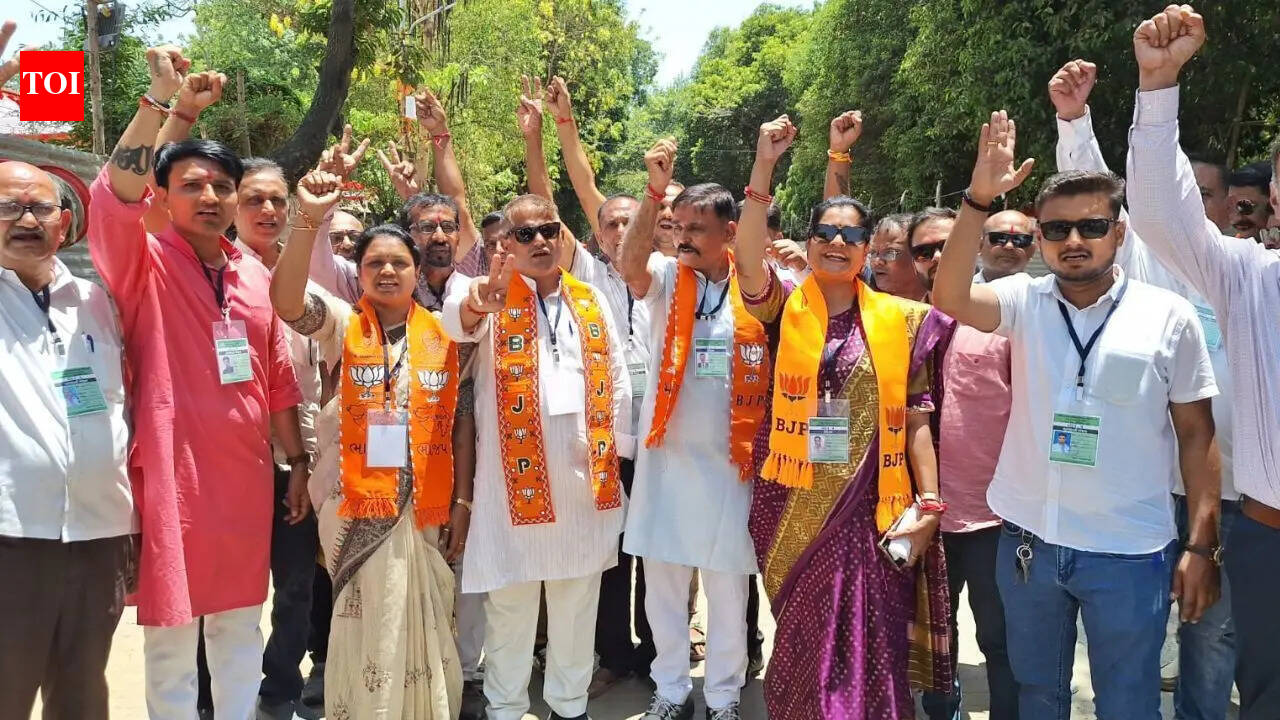
*TL;DR: The BJP secured 7,491 of 9,986 seats in Gujarat’s local body elections, winning every seat in eight municipalities; Congress promises transparent governance in the areas it retained.
Context Gujarat’s rural and semi‑urban voters turned out in large numbers, reinforcing the Bharatiya Janata Party’s (BJP) grassroots network. Despite complaints over crop losses, floods, and infrastructure gaps, the party’s booth‑level organization and the Modi brand helped it dominate the ballot.
Key Facts - The BJP captured 7,491 seats, out of a total of 9,986 contested across taluka panchayats, district panchayats, municipalities, and municipal corporations. - In eight of the state’s 84 municipalities—Una, Sutrapada, Bayad, Gandevi, Mandvi, Gondal and Patdi—the BJP won every seat, leaving no opposition representation. - The opposition Congress secured 1,740 seats, while the Aam Aadmi Party (AAP) took 489 seats; independents and smaller parties won 266 seats. - State Congress president Amit Chavda pledged “transparent governance” in the local bodies the party won and pledged to act as a responsible opposition. - BJP state president Jagdish Vishwakarma credited the result to “visionary leadership” and the party’s development agenda.
What It Means The election outcome cements the BJP’s control over Gujarat’s local governance structures, giving it a decisive say in municipal services, rural development schemes, and district‑level planning. With the party holding 3,674 taluka panchayat seats, 892 district panchayat seats, 1,988 municipal seats and 937 corporation seats, it can implement its policy agenda without significant legislative resistance.
Congress’s modest foothold—limited to 1,740 seats—means the party will operate primarily as an opposition force, monitoring the BJP’s administration and raising local issues. Its promise of transparent governance may test the BJP’s dominance in the few councils where it remains a minority.
The AAP’s 489 seats, though far behind the BJP, indicate a growing presence that could influence future contests, especially if anti‑BJP sentiment consolidates around it. Independent candidates and smaller parties, with 266 seats, retain the ability to sway tightly contested wards.
Looking Ahead Watch how the BJP leverages its near‑total control to deliver on development promises and whether Congress can translate its pledge of transparency into measurable improvements in its limited jurisdictions.
Continue reading
More in this thread
Conversation
Reader notes
Loading comments...