Beijing Bars Firms From US Sanctions Compliance as Economy Splits Into Two Speeds
China bans companies from complying with US sanctions, highlighting a dual-speed economy and new trade tensions.
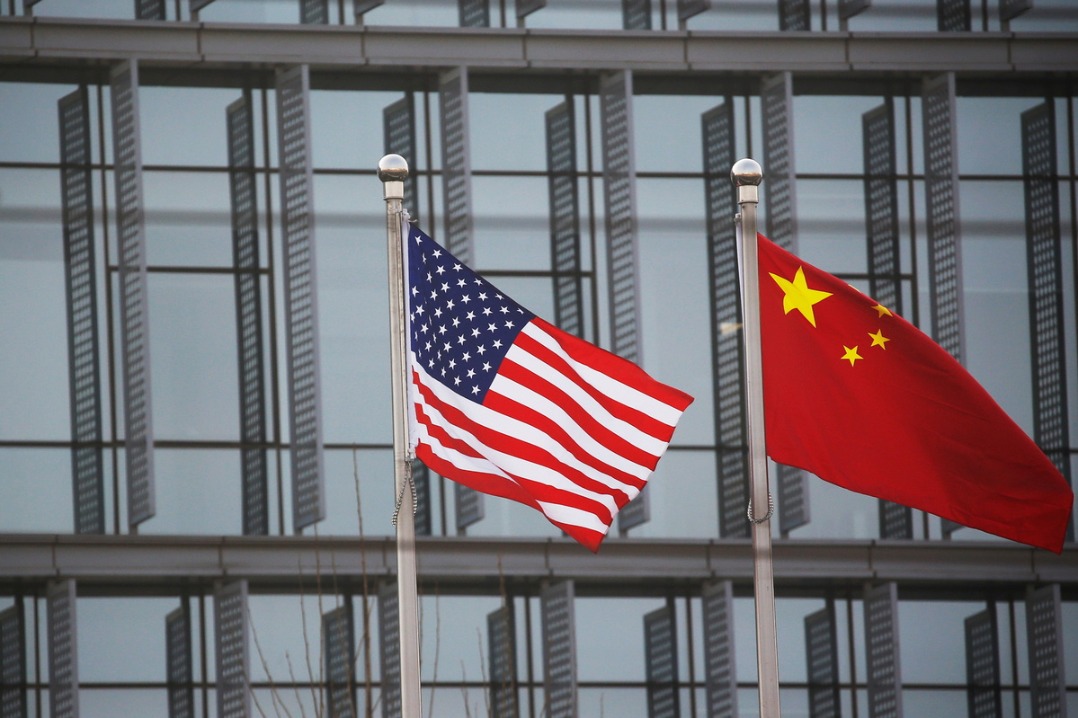
*TL;DR: Beijing has prohibited Chinese firms from complying with U.S. sanctions, a move that underscores a split‑speed Chinese economy and raises questions about future trade tensions.
Context China’s leadership has introduced a tool that blocks domestic companies from following sanctions imposed by the United States. The policy arrives as Washington tightens export controls on technology and finance, and as Beijing seeks to leverage gaps in the Western response.
Key Facts - The new rule explicitly forbids Chinese enterprises from adhering to any U.S. sanctions, effectively forcing them to choose between domestic directives and foreign regulatory regimes. - Economist Alicia García‑Herrero described China’s economy as operating at “two speeds”: a high‑growth, export‑driven sector and a slower, domestically focused segment constrained by external pressures. - Indian policy analyst Mody warned that “Western countries are fooling themselves,” suggesting that attempts to isolate China may backfire as Beijing deepens internal resilience. - The sanction‑blocking measure aligns with four broader initiatives Beijing has launched to expand its global influence, capitalizing on the United States’ recent withdrawal from multilateral trade agreements.
What It Means For multinational corporations, the directive creates a compliance dilemma. Companies that rely on U.S. markets must now navigate a legal gray zone where violating Chinese policy could trigger penalties at home, while breaching U.S. sanctions could result in fines or loss of market access abroad. Financial institutions are likely to tighten due diligence, increasing transaction costs for cross‑border trade.
Domestically, the dual‑speed economy may widen regional disparities. Export‑oriented coastal provinces could maintain momentum, while inland areas face slower growth as sanctions limit access to advanced technology and capital. The split also pressures Chinese policymakers to accelerate self‑reliance in sectors such as semiconductors and renewable energy.
Geopolitically, the move signals Beijing’s willingness to confront U.S. pressure points directly. By making compliance with American sanctions illegal, China tests the limits of Washington’s extraterritorial reach and may encourage other nations to adopt similar defiance tactics.
Looking ahead, watch how multinational firms adjust supply chains, how U.S. regulators respond to potential evasion, and whether China’s dual‑speed strategy can sustain growth amid escalating trade friction.
Continue reading
More in this thread
Conversation
Reader notes
Loading comments...