Australia’s Hidden Crisis: 14 Rough Sleepers Die Annually in Parks and Countryside
On average, 14 rough sleepers die each year in Australian parks or countryside areas. Analysis shows 54 park and 85 countryside deaths from 2010‑2020.
TL;DR
On average, 14 rough sleepers die each year in Australian parks or countryside areas. A retrospective cohort of coronial records shows 54 park deaths and 85 countryside deaths between 2010 and 2020.
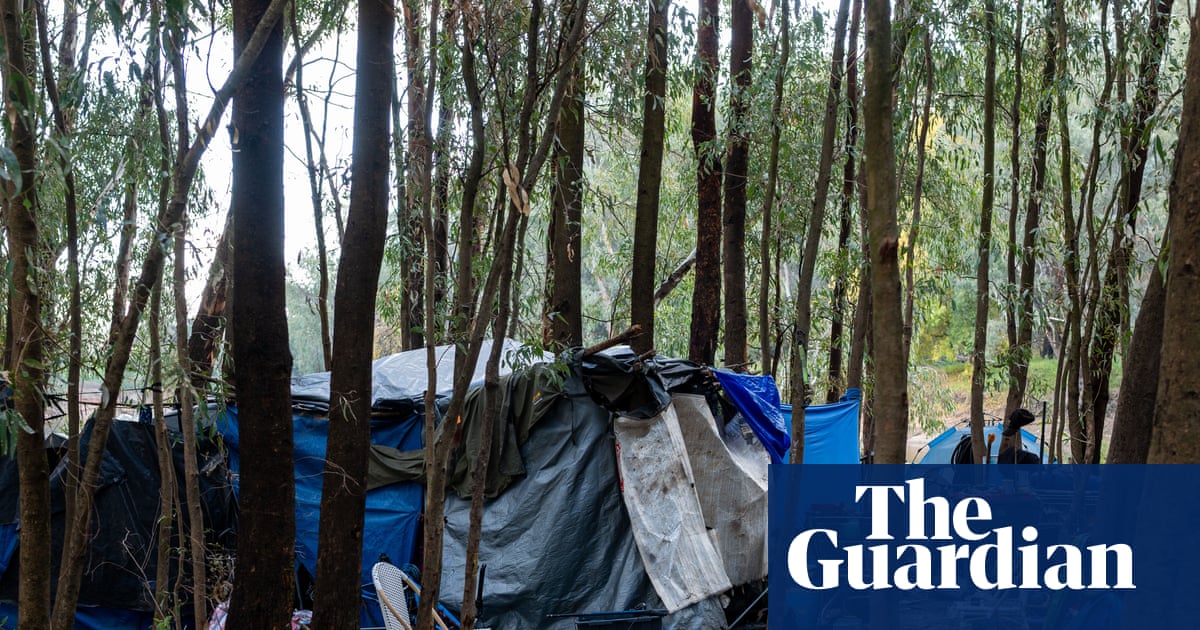
Context The deaths of a newborn baby near Wagga Beach, a young mother in Western Australia who succumbed to sepsis, and an international student found in Hyde Park have drawn public attention to the dangers faced by people sleeping rough. These cases highlight how lack of stable housing pushes vulnerable individuals into unsafe environments such as riverbanks, bushland and urban parks. Advocates say the pattern reflects broader systemic gaps in social and emergency housing. The Guardian commissioned an analysis of non‑public coronial records to quantify these hidden fatalities.
Key Facts - The National Coronial Information Service examined deaths from 2010 to 2020 on behalf of the Guardian. This retrospective cohort study included 54 rough sleepers who died in public parks and 85 who died in countryside areas such as beaches, deserts and riverbanks. - On average, 14 people experiencing homelessness die each year in those settings. - In just a few weeks, homelessness has been linked to the deaths of a baby, a young mother and a student, according to Kate Colvin, chief executive of Homelessness Australia. - The Australian Institute of Health and Welfare reports that the social housing waitlist for those in “greatest need” has risen each year since 2015, reaching record levels in June 2024. Over the past two years, the proportion of people already homeless when they first accessed support grew by 11%, and the number sleeping rough at the start of support increased by 25%.
What It Means The data show a strong association between homelessness and premature death in outdoor locations, but the retrospective design cannot prove that lack of housing directly causes each death; other health and social factors may contribute. Nevertheless, the consistent rise in rough‑sleeping numbers and housing waitlists suggests that inadequate accommodation is a contributing factor. Studies indicate a three‑decade life expectancy gap between people experiencing homelessness and the general population, underscoring the urgency of intervention. Practical steps include expanding crisis accommodation, prioritising pregnant women and families for immediate housing, and integrating health outreach into homelessness services. Policymakers should also monitor whether new funding translates into tangible homes rather than long‑term promises. To watch: the upcoming federal budget will reveal whether additional funding for the Housing Australia Future Fund accelerates delivery of the promised 55,000 social and affordable homes by mid‑2029.
Continue reading
More in this thread
Conversation
Reader notes
Loading comments...