14 Rough Sleepers Die Annually in Australia’s Parks and Countryside
Analysis of coronial records shows an average of 14 deaths per year among rough sleepers in Australian parks and countryside, highlighting housing gaps.
TL;DR
An average of 14 rough sleepers die each year in Australia’s public parks or countryside, according to a coronial analysis covering 2010‑2020.
Context Australia’s homelessness crisis has intensified as social‑housing waitlists hit record levels and more people arrive at services already without a roof. Recent high‑profile deaths—a student in Hyde Park, a mother in Western Australia, and a newborn near Wagga beach—have amplified public concern.
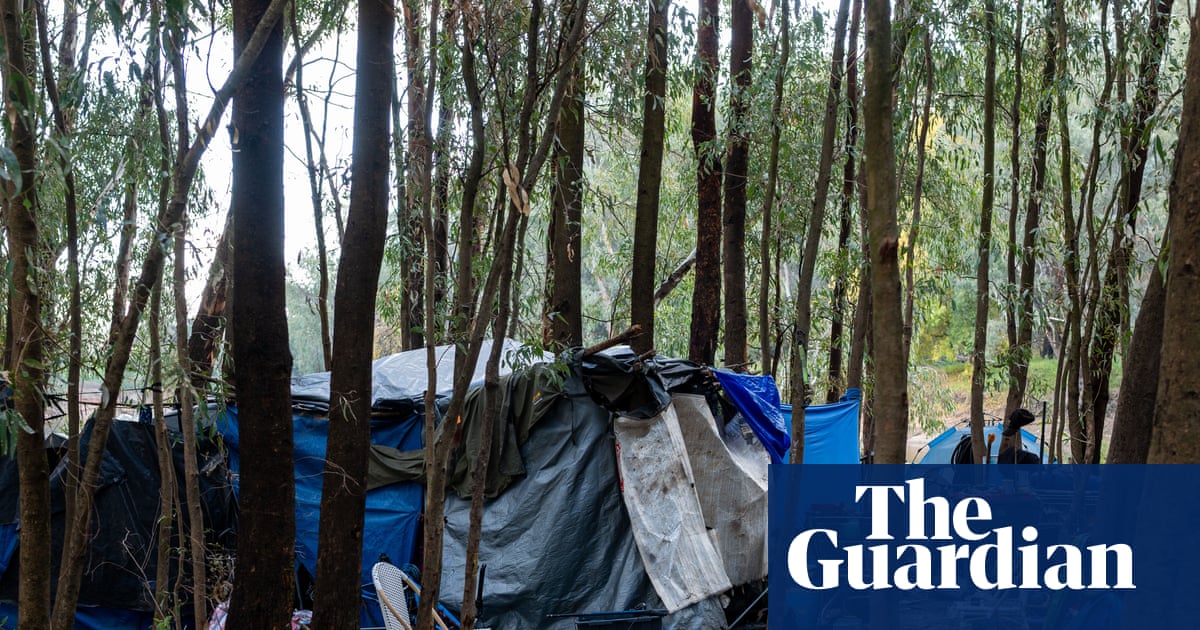
Key Facts The National Coronial Information Service examined non‑public coronial reports for a decade. It identified 54 deaths of rough sleepers in public parks and 85 deaths in broader countryside settings such as bushland, deserts, beaches and riverbanks between 2010 and 2020. This yields an average of 14 deaths per year in parks and countryside combined. The analysis was commissioned by the Guardian as part of a multi‑year investigation into homelessness‑related mortality.
University of Notre Dame professor Lisa Wood, who leads research on homelessness deaths, called the findings “a sobering indictment of societal abandonment and systemic failure.” She argues that current policy, which relies heavily on new construction, does not address the immediate need for safe accommodation.
What It Means The data reveal a clear correlation between the lack of emergency housing and premature deaths among people sleeping rough, but they do not prove that any single factor causes each death. The rise in rough‑sleeper numbers—an 11 % increase in people already homeless at first service contact and a 25 % surge in those sleeping rough at intake—suggests that existing support systems are overstretched.
Practical takeaways for readers: - If you encounter someone sleeping in a park, contact local outreach services rather than assuming the situation is safe. - Advocacy for statutory housing rights, similar to Scotland’s model, could reduce exposure to hazardous environments. - Monitoring government delivery of the Housing Australia Future Fund (target: 55,000 homes by 2029, 6,000 delivered so far) will indicate whether policy is keeping pace with need.
Looking Ahead The upcoming federal budget will test whether increased funding translates into faster delivery of social housing and emergency shelters, a key metric for preventing further deaths in Australia’s parks and countryside.
Continue reading
More in this thread
Conversation
Reader notes
Loading comments...