Artemis II Exceeds Apollo 13’s Distance Record, Reaching 252,756 Miles from Earth
The Artemis II mission traveled 252,756 miles from Earth, breaking Apollo 13's 56-year-old distance record. This milestone advances future lunar exploration.
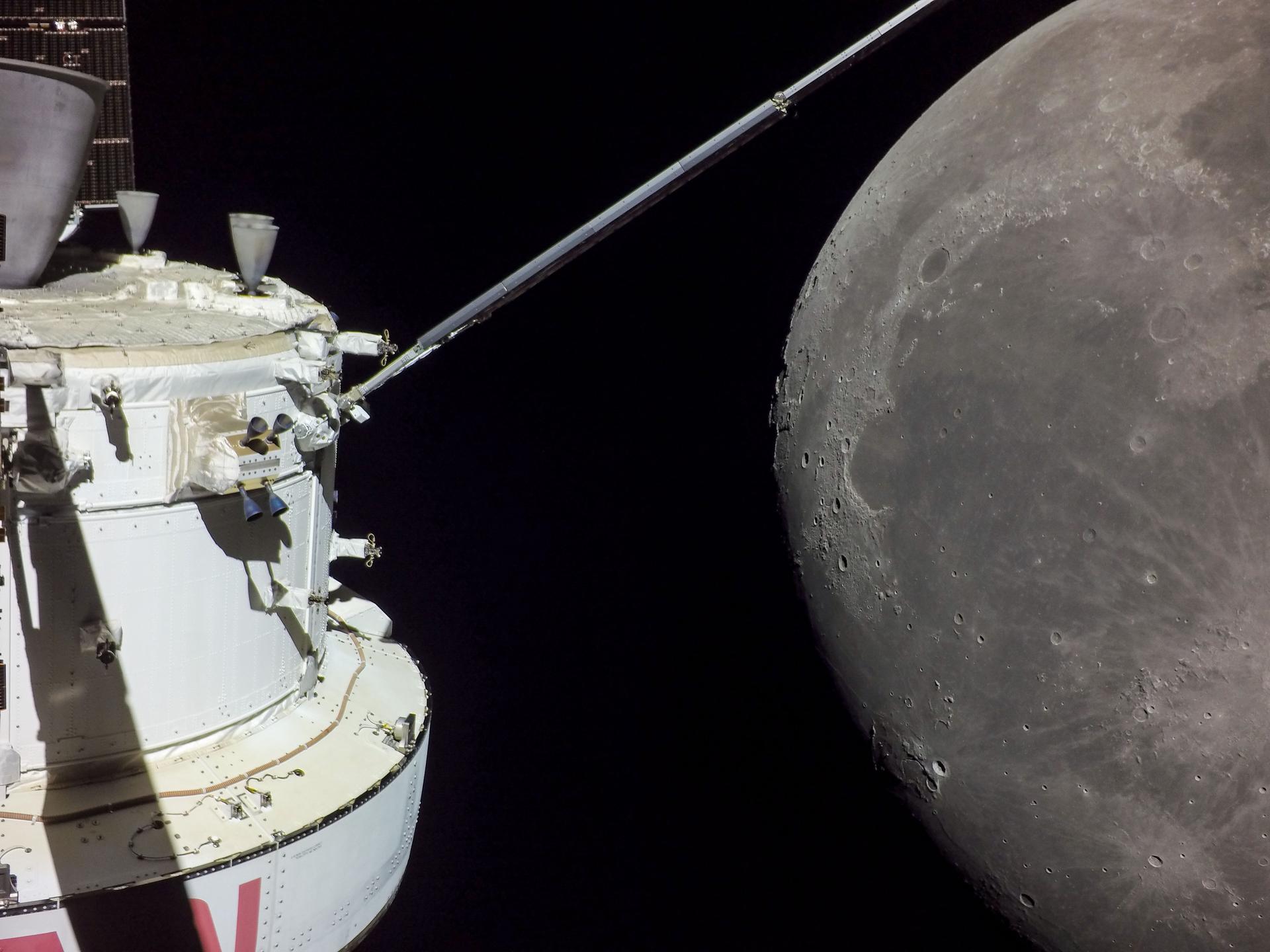
During Artemis I, the SLS (Space Launch System), roared into the night sky and sent the Orion spacecraft on a 1.4-million-mile journey beyond the Moon and back.
Artemis II has established a new human distance record from Earth, traveling 252,756 miles. This mission surpassed the nearly 56-year-old record held by Apollo 13, marking a new chapter in lunar exploration.
### Context The Artemis II mission signifies a pivotal moment in renewed human lunar exploration. This achievement arrives as the direct human experience of past lunar travel approaches its conclusion. Currently, five astronauts from the Apollo era remain alive, all now in their 90s, representing the last living generation to have journeyed to the Moon. Their testimonies preserve the initial era of lunar exploration.
The four-person Artemis II crew, aged in their 40s and 50s, now adds their names to the list of lunar explorers. Their flight represents a crucial step in preparing for future lunar landings.
### Key Facts The Artemis II crew propelled 252,756 miles from Earth, setting a new human distance record. This new benchmark exceeds the 248,655 miles achieved by the Apollo 13 mission in April 1970. That previous distance record stood for almost exactly 56 years, underscoring the longevity of the Apollo era's achievements.
Artemis II ventured further beyond the Moon than most Apollo lunar missions, even though its primary objective was not a lunar landing. This trajectory demonstrated the capabilities of the Orion capsule and its life support systems for extended deep space travel.
### What It Means Artemis II employed a free-return trajectory, a flight path that utilized the Moon's gravity to slingshot the Orion capsule back toward Earth. This maneuver enabled the crew to reach their maximum distance from Earth without requiring a propulsive burn to return. Future Artemis missions specifically aiming for a lunar surface landing may not need to travel as far beyond the Moon’s far side.
This mission successfully validated critical systems and procedures for future deep space endeavors. The Artemis program continues to redefine the parameters of human spaceflight beyond low Earth orbit, laying groundwork for sustained lunar presence. The next phases will reveal how quickly this new distance record is challenged as humanity returns to the lunar surface and potentially beyond.
Continue reading
More in this thread
Tech Industry Pivots to AI: Meta Cuts 8,000 Jobs Amid 73,000+ Layoffs
Alex Mercer
Iran War's Helium Shock Exposes Fragile AI Chip Supply Chain for Years
Alex Mercer
MI5 Drafted to Counter Rogue AI as Lawyers Drown in AI‑Generated Spam and Brain Activity Drops 55%
Alex Mercer
Conversation
Reader notes
Loading comments...