Albanese Government Plans Significant Cuts to NDIS Participants and Budget
Australia's Albanese government plans major NDIS reforms, aiming to reduce participant numbers by 160,000 and cut the scheme's budget to $55 billion by 2030.
TL;DR
The Albanese government intends to significantly cut Australia's National Disability Insurance Scheme (NDIS), planning to remove at least 160,000 participants and reduce its budget to $55 billion by 2030.
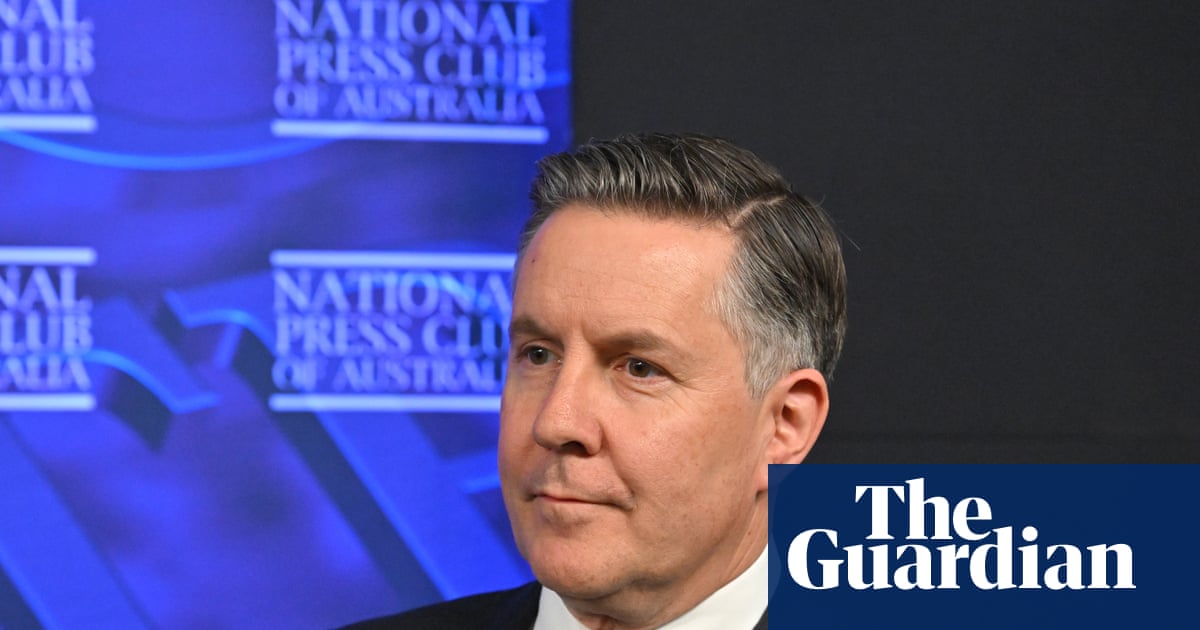
Context Australia's National Disability Insurance Scheme (NDIS), a crucial national program supporting individuals with permanent and significant disabilities, faces a major structural overhaul. Health Minister Mark Butler detailed plans to manage the scheme's rapid cost escalation, which saw its expenses grow by over 10.3% last year alone. Without intervention, projections indicated the NDIS would reach over $70 billion by the end of the decade, supporting more than 900,000 participants. The government describes these changes as "hard decisions" and "unavoidable and urgent" to ensure the NDIS's long-term financial viability.
Key Facts Under the new government plan, the NDIS budget will be reduced to approximately $55 billion by 2030. This represents a substantial decrease from earlier forecasts. The changes aim to bring the scheme's annual growth rate down to 2% until 2030, a significant shift from previous trends. A key component of this strategy involves removing at least 160,000 current participants from the NDIS by the same year, targeting a total participant number of around 600,000. Furthermore, the government will expand registration requirements for various NDIS service providers, including those offering personal care, daily living supports, and services in closed settings.
What It Means While the Albanese government underscores the necessity of these reforms for the scheme's sustainability, the plans have generated sharp criticism. Greens leader Larissa Waters accused the government of abandoning its commitments, stating, "How dare this government, who promised they wouldn’t cut the NDIS, balance their budget by selling disabled people's dignity." Concerns are widespread among disability advocates and opposition parties regarding the potential impact on vulnerable Australians who may lose essential support. Questions also arise about whether these changes will shift the burden of care and costs onto state and territory governments, prompting fears of inadequate alternative services. The implementation and impact of these significant adjustments across Australia's disability sector will require close monitoring.
Continue reading
More in this thread
Four Arrested in Dawn Raid Over £44m ECO4 Insulation Fraud
Nadia Okafor
Court Blocks Virginia Redistricting Referendum, Jeopardizing Democratic Seat Gains
Nadia Okafor
Israel's Strike Kills Lebanese Journalist Amal Khalil as Iran Blames US Blockade for Stalled Talks
Nadia Okafor
Conversation
Reader notes
Loading comments...