Israel's Strike Kills Lebanese Journalist Amal Khalil as Iran Blames US Blockade for Stalled Talks
An Israeli strike killed Lebanese journalist Amal Khalil, while Iran blamed a US naval blockade for stalled peace talks amidst new vessel seizures in Hormuz.
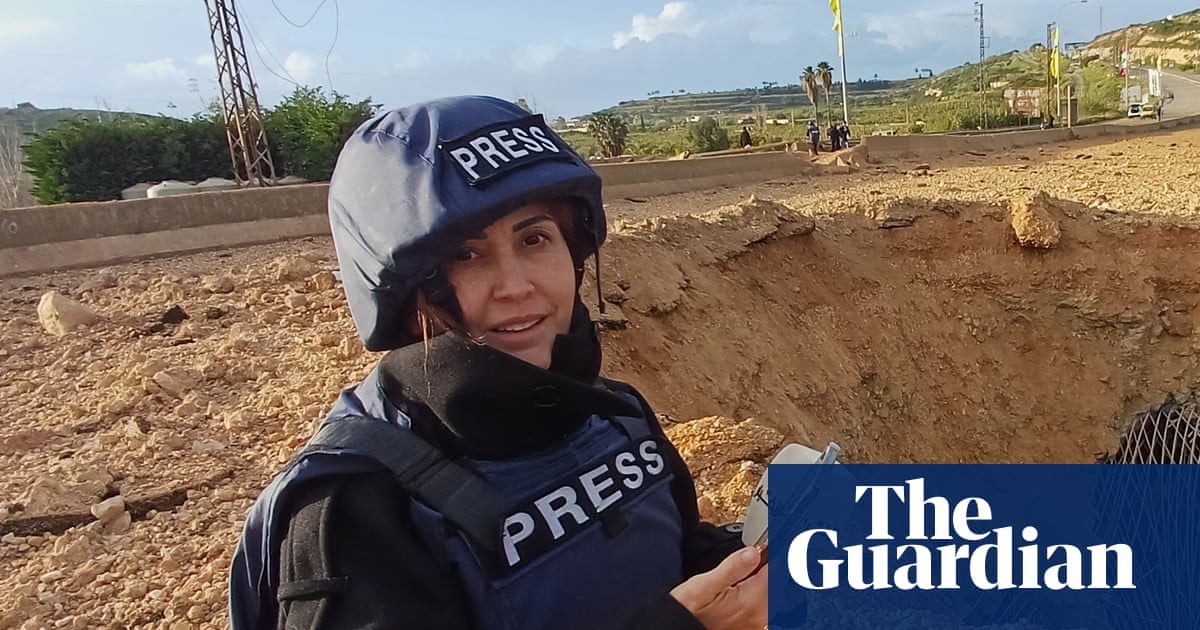
TL;DR
An Israeli strike in Lebanon killed journalist Amal Khalil and four others this week, while senior Iranian officials attributed stalled peace talks to a US naval blockade amid new reports of Iranian vessel seizures in the Strait of Hormuz.
Recent escalations underscore a complex and tense period across the Middle East as of late April 2026. Military actions, maritime incidents, and diplomatic stalemates occur concurrently. This dynamic environment highlights persistent regional friction and challenges to global stability.
Israeli attacks in Lebanon resulted in at least five fatalities this week. The casualties included Lebanese journalist Amal Khalil. The Lebanese government publicly condemned these strikes, describing them as a heinous crime. These events contribute to an ongoing pattern of conflict in the border region.
Concurrently, senior Iranian officials have squarely placed the blame for stalled peace negotiations on the United States. They specifically cited a US naval blockade of Iran's ports. This blockade, hindering free maritime access and trade, acts as a significant impediment to dialogue. Iranian President Masoud Pezeshkian voiced Tehran's desire for "dialogue and agreement" but emphasized that "breach of commitments, blockade and threats are the main obstacles to genuine negotiations."
Separately, Iran’s Revolutionary Guard reported significant maritime activity in the Strait of Hormuz. The Guard announced the seizure of two foreign vessels in this vital waterway, which connects the Persian Gulf to the open ocean and is crucial for global oil shipments. Additionally, the Guard stated it fired upon a third ship, alleging violations of international maritime regulations. Such actions raise concerns regarding freedom of navigation.
These combined developments indicate a heightened state of friction across multiple fronts. The Israeli strike reflects ongoing security operations and their human cost in the region, particularly impacting civilians and media personnel. The maritime incidents in the Strait of Hormuz demonstrate potential flashpoints for international shipping and trade, drawing global attention to a critical energy transit route. Meanwhile, the diplomatic impasse between Iran and the US suggests a prolonged difficulty in achieving de-escalation through direct dialogue, maintaining a state of geopolitical tension.
The coming period will require close observation of military and diplomatic maneuvers by all involved parties. The continued impact on regional stability, the security of international shipping lanes, and the future of peace talks remains a critical focus.
Continue reading
More in this thread
Iran Warns Israel’s Somaliland Recognition Breaks UN Law, Threatens Key Trade Route
Nadia Okafor
House Republicans Unveil Opt‑Out Focused Privacy Bill, Draw Sharp Democratic Critique
Nadia Okafor
Deported South American migrants in DRC say they're being pressured to return home despite torture risks
Nadia Okafor
Conversation
Reader notes
Loading comments...