Albanese Government Extends EV Tax Break for One Year, Plans $1.7 bn Savings
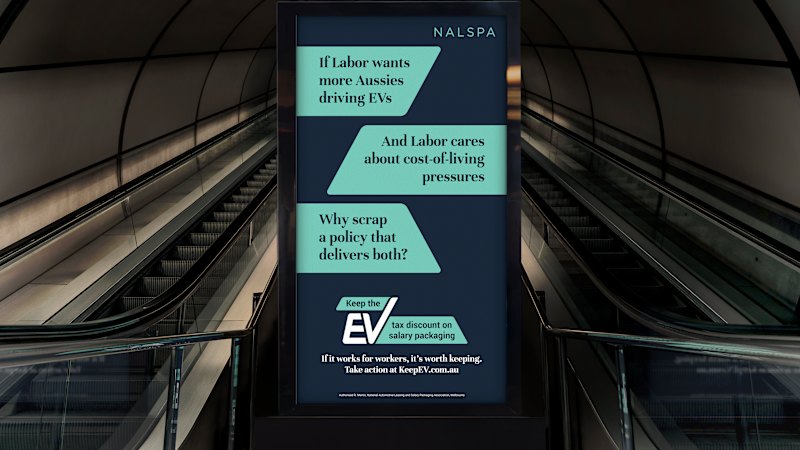
Australia keeps its electric‑vehicle tax exemption for a year before a phased reduction, targeting $1.7 billion in budget savings over five years.
The Sydney Morning Herald logo
*TL;DR: The Albanese government will maintain the electric‑vehicle fringe‑benefits‑tax exemption for another year, then phase it down to save $1.7 billion over five years.
Context Australia’s current incentive lets employees who acquire an electric car through a novated lease avoid fringe benefits tax (FBT) if the vehicle costs less than $91,387. The policy was introduced to accelerate the shift to zero‑emission transport.
Key Facts - The exemption will remain in place for 12 months before a step‑wise reduction begins. The government projects a cumulative saving of $1.7 billion across the next five fiscal years. - Uptake of the scheme has far outstripped expectations. Since the review began in December, the number of qualifying leases is 15 times higher than the original forecast. - The FBT exemption applies only to vehicles priced under $91,387 and only when purchased via a novated lease, a three‑party arrangement between employee, employer and finance provider.
What It Means Keeping the break for another year gives businesses and consumers a predictable window to benefit from the tax advantage. Companies can continue to offer electric‑car packages without immediate cost pressure, while the market absorbs the surge in demand that has already pushed the scheme beyond its projected scale.
The planned phase‑down will likely involve tightening eligibility thresholds or reducing the exemption amount each year. By spreading the reduction, the government aims to avoid a sudden drop in electric‑vehicle sales that could destabilise the emerging domestic supply chain.
Budget analysts note that the $1.7 billion saving will help offset other fiscal pressures, but the long‑term impact on emissions targets depends on how quickly the market adjusts to a less generous incentive. If the phase‑down is too rapid, demand could stall, slowing progress toward national climate goals.
Looking Ahead Watch for the detailed schedule of the phase‑down and any accompanying measures, such as infrastructure investment or alternative subsidies, that could sustain electric‑vehicle growth after the tax break recedes.
Continue reading
More in this thread
Conversation
Reader notes
Loading comments...