AI firms receive $200M Pentagon contracts as Iranian school strike kills 168 children
The Pentagon awarded $200M each to AI firms Anthropic, OpenAI, Google, and xAI. Simultaneously, a strike on an Iranian school killed 168, primarily children. This highlights AI's role in defense and its immediate human impact.
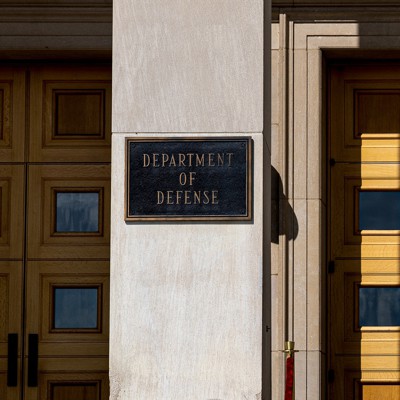
The Pentagon awarded up to $200 million contracts each to four prominent AI firms in July 2025, while a strike on an Iranian elementary school killed at least 168 people, primarily children. These events highlight both expanding AI integration into military operations and immediate real-world consequences.
Discussions surrounding artificial intelligence frequently focus on its hypothetical future risks, with some experts expressing profound concerns about long-term societal impacts. Tristan Harris, a co-founder of the Center for Humane Technology, has noted that some professionals working on AI risk do not expect their own children to reach high school. This perspective contrasts sharply with the immediate realities faced by communities affected by current conflicts, where the tangible harms of advanced technologies are already manifest.
In July 2025, the U.S. Pentagon awarded contracts of up to $200 million each to Anthropic, OpenAI, Google, and xAI. These agreements signal a significant integration of advanced artificial intelligence capabilities into military frameworks. This development occurred as Amnesty International reported a strike on an Iranian elementary school, which resulted in the deaths of at least 168 people, predominantly children. Specific AI systems, such as Anthropic’s Claude, are integrated with platforms like Palantir’s Maven Smart System, which has been utilized for target identification in recent military operations.
The simultaneous expansion of AI in defense initiatives and documented civilian casualties underscores a critical aspect of technological advancement. While theoretical debates about future AI risks continue, the application of these systems in current military actions demonstrates immediate and severe impacts on human lives. Beyond conflict zones, AI systems also generate real-world consequences in other sectors. For instance, massive data centers supporting AI operations consume significant water and strain energy grids. AI-driven tenant screening algorithms can influence housing access. These developments prompt urgent questions about accountability for technology's role in global events. Communities are increasingly organizing to address AI harms, exemplified by successful efforts against predictive policing and calls for ethical limitations in military applications. Labor organizations have also secured protections against AI's use in replacing creative workers. Future actions will demonstrate how military AI contracts shape defense strategies and influence the broader discourse on ethical AI deployment and governance, particularly regarding the demand for accountability for both current and future AI impacts.
Continue reading
More in this thread
Senate GOP Advances ICE Funding Resolution, Eyes $70 Billion Bill
Nadia Okafor
US Sanctions Chinese Refinery Hengli and 19 Iran-Linked Tankers in New 'Economic Fury' Push
Nadia Okafor
Oman Reaffirms Support for Somalia's Unity as Ministers Meet in Muscat
Nadia Okafor
Conversation
Reader notes
Loading comments...