US Sanctions Chinese Refinery Hengli and 19 Iran-Linked Tankers in New 'Economic Fury' Push
The U.S. Treasury sanctioned Chinese refinery Hengli Petrochemical and 19 vessels linked to Iran's shadow fleet, targeting Iran's oil revenue and military funding.
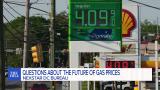
DC Bureau: Iran and Gas Prices
TL;DR
The U.S. Treasury's Office of Foreign Assets Control (OFAC) sanctioned Chinese refinery Hengli Petrochemical and 19 ships linked to Iran, aiming to cut Iran's oil revenue. This action is part of the "Economic Fury" campaign, targeting funds for Iran's military and regional activities.
Context The United States maintains a robust strategy to limit Iran's capacity to fund its military operations and nuclear ambitions. This effort directly targets oil exports, which remain Iran's primary source of national revenue. A core component of this campaign involves identifying and disrupting Iran's "shadow fleet," an informal network of aging tankers and shell companies. These entities work to evade international sanctions by obscuring the origin of shipments and facilitating illicit oil sales, often through ship-to-ship transfers on the open ocean.
Key Facts OFAC, the U.S. Treasury's sanctions enforcement arm, recently designated Chinese firm Hengli Petrochemical and 19 vessels identified as part of Iran's shadow fleet. These sanctions specifically target entities enabling Iran to generate oil revenue crucial for its operations. Hengli Petrochemical, one of China’s largest independent refineries, has reportedly purchased oil linked to Iran’s armed forces. These purchases have generated hundreds of millions of dollars directly for the Iranian military. Treasury Secretary Scott Bessent articulated the broader objective, stating, "Economic Fury is imposing a financial stranglehold on the Iranian regime, hampering its aggression in the Middle East and helping to curtail its nuclear ambitions."
What It Means This strategic move aims to directly sever a vital financial lifeline for Iran's military and destabilizing activities across the Middle East. By targeting both a significant buyer like Hengli Petrochemical and the intricate logistical network of tankers, the U.S. seeks to escalate the financial and operational costs associated with Iran's oil exports. These intensified measures reinforce the ongoing "maximum pressure" campaign, designed to significantly restrict Tehran's financial resources and limit its regional influence. Future developments will likely include continued U.S. enforcement actions against other facilitators of Iran's oil trade. Observers will also assess how Iran adapts its oil export strategies in response to these heightened global pressures.
Continue reading
More in this thread
Starmer Faces Fresh Crisis After Sacking Top Official Over Mandelson Security Clearance
Nadia Okafor
UK Government Blocks Oral Testimony from Mandelson Vetting Aide as Sacking Controversy Intensifies
Nadia Okafor
Welsh First Minister Eluned Morgan Uses Cocktail Cans to Warn She May Lose Knife‑Edge Seat
Nadia Okafor
Conversation
Reader notes
Loading comments...